Defining, and Redefining, What Success Looks Like for Direct Sellers
A Recap of theJuice SLC on February 12, 2026
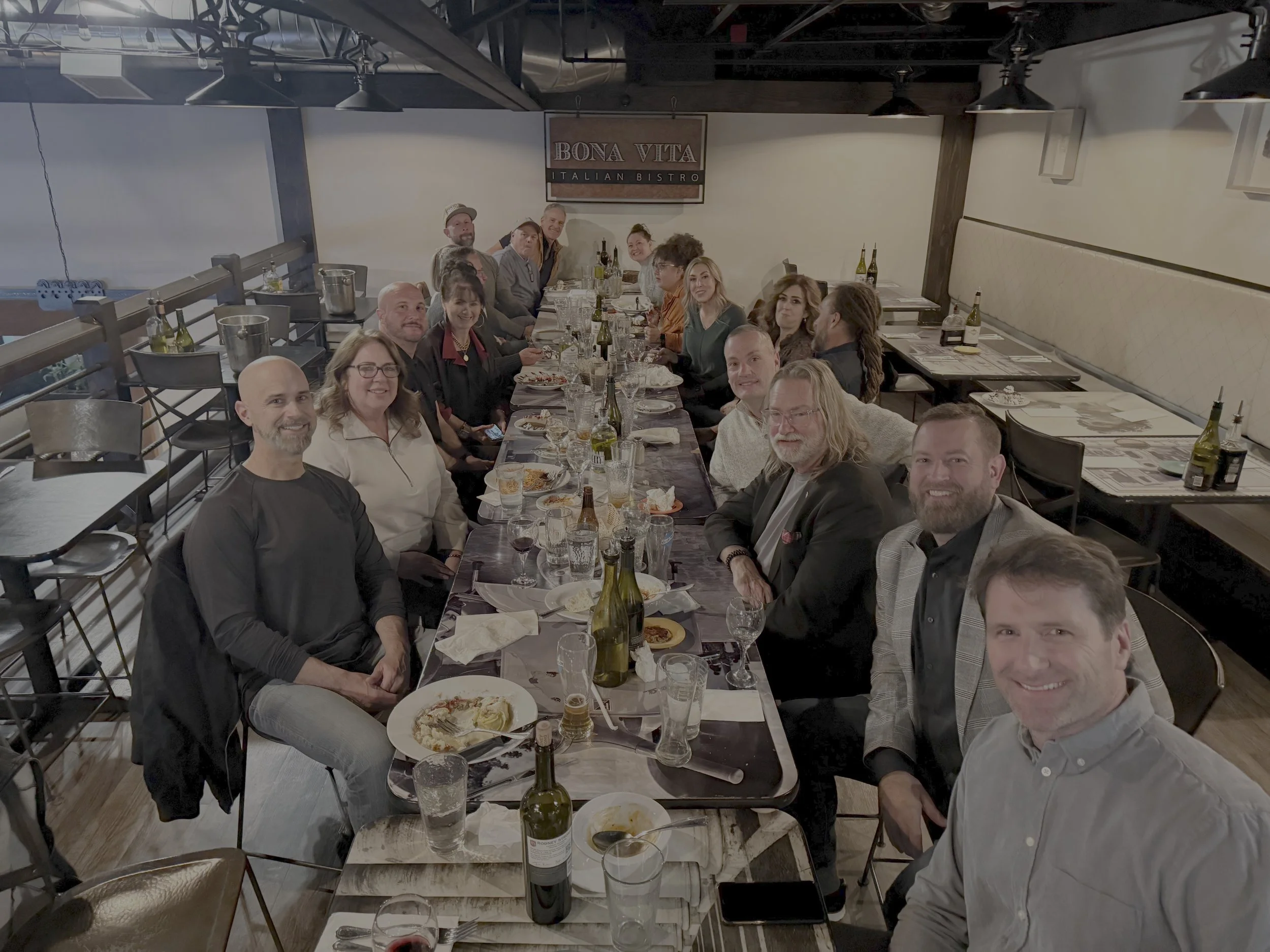
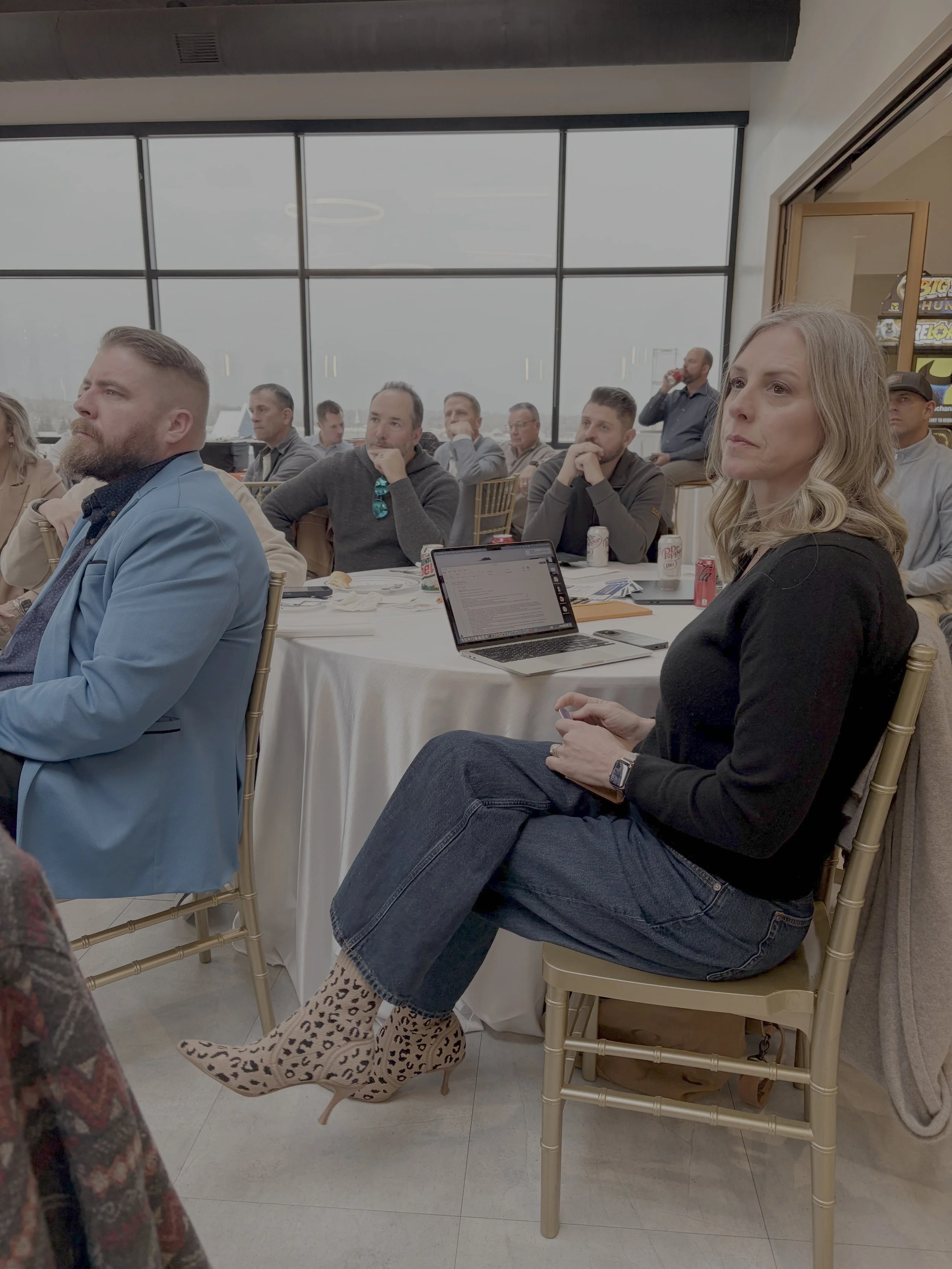
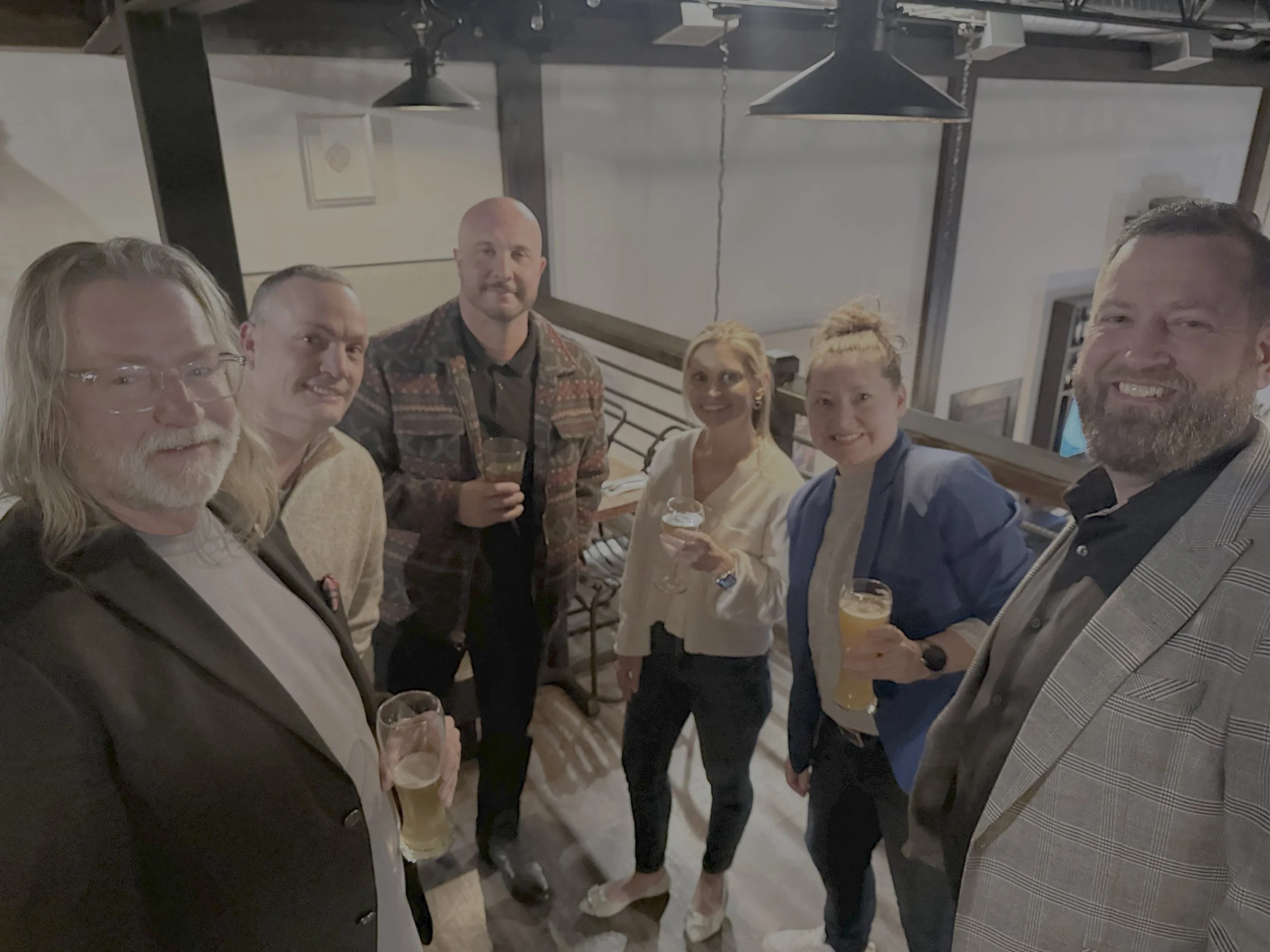
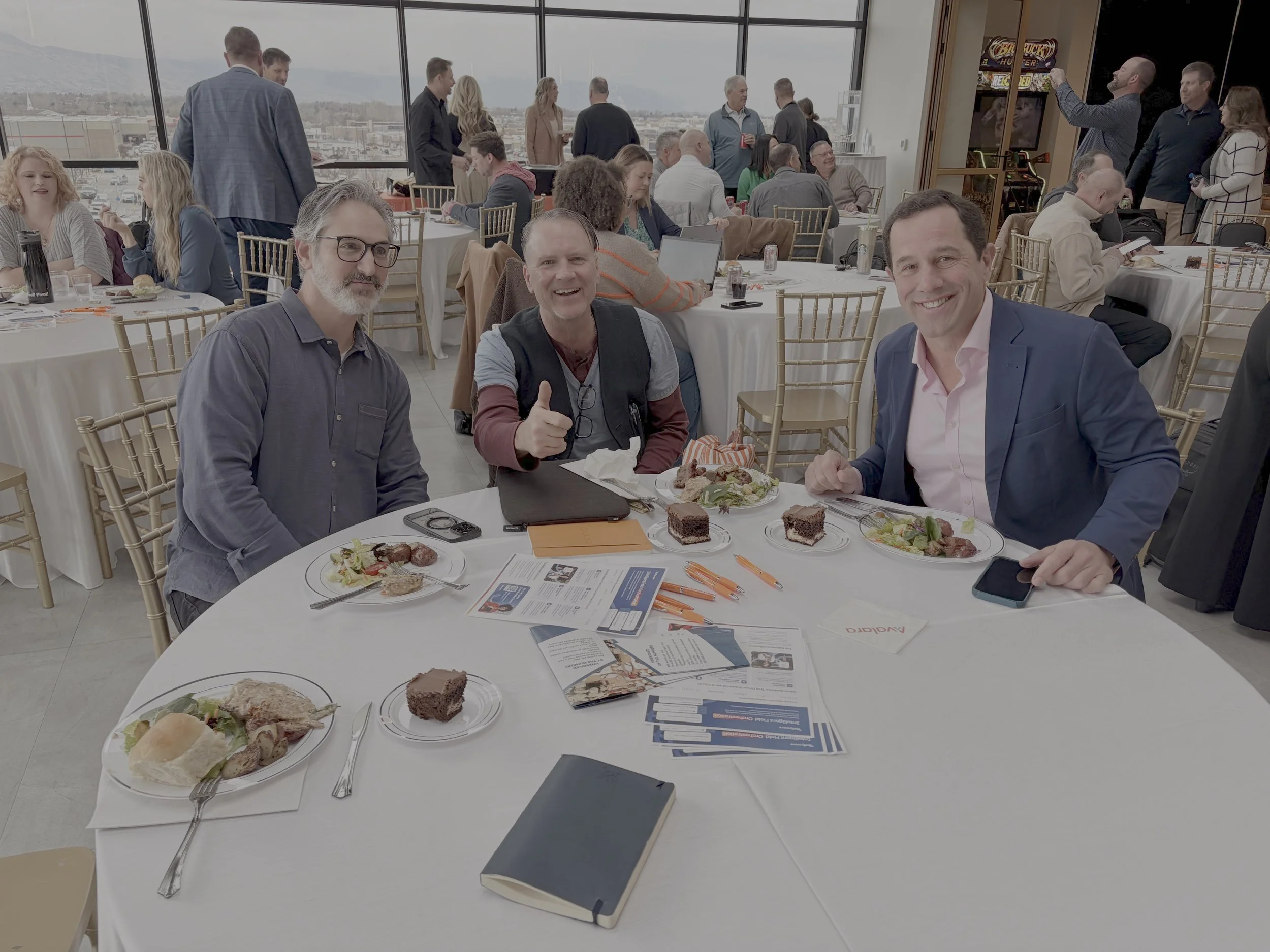
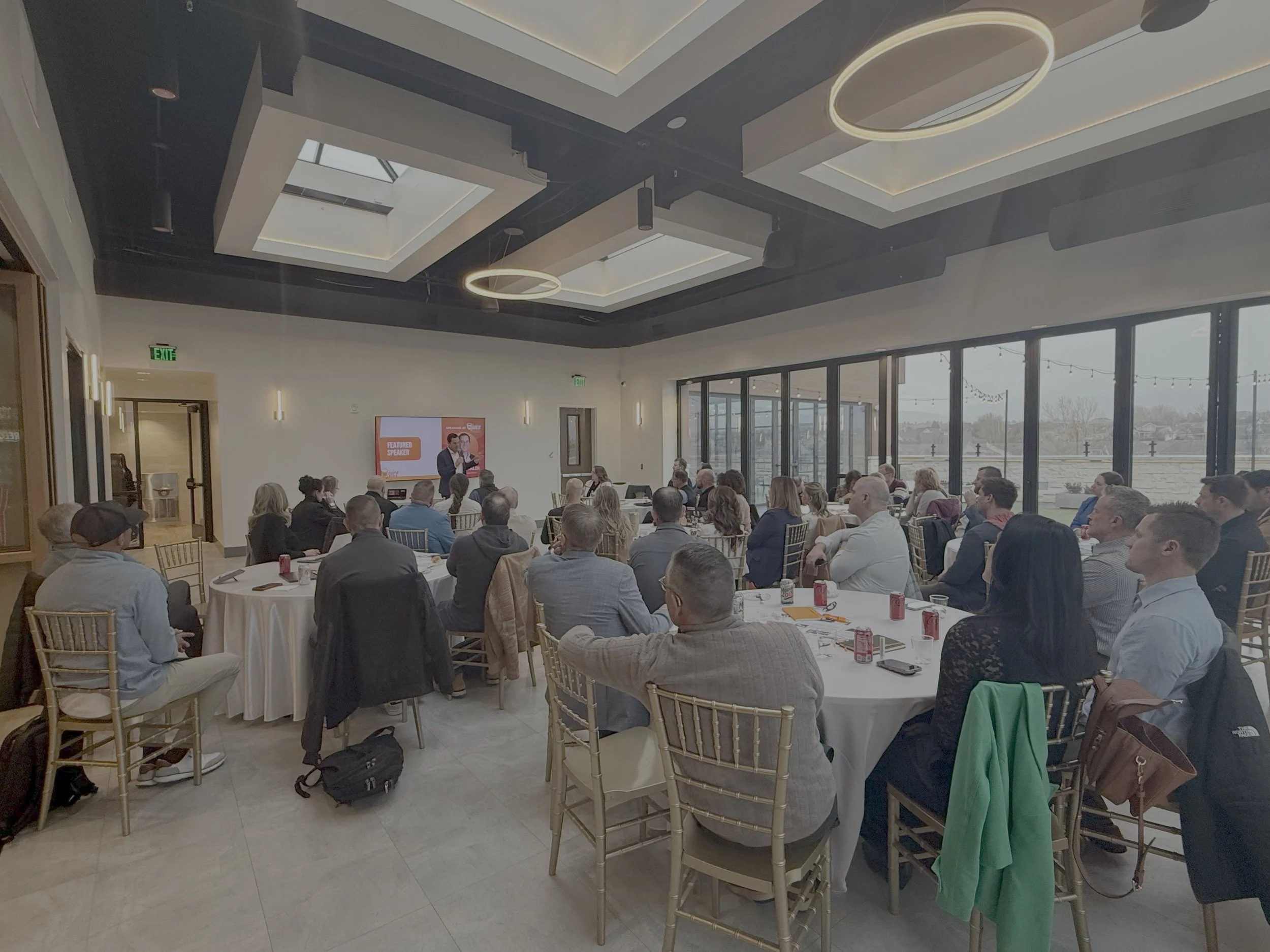
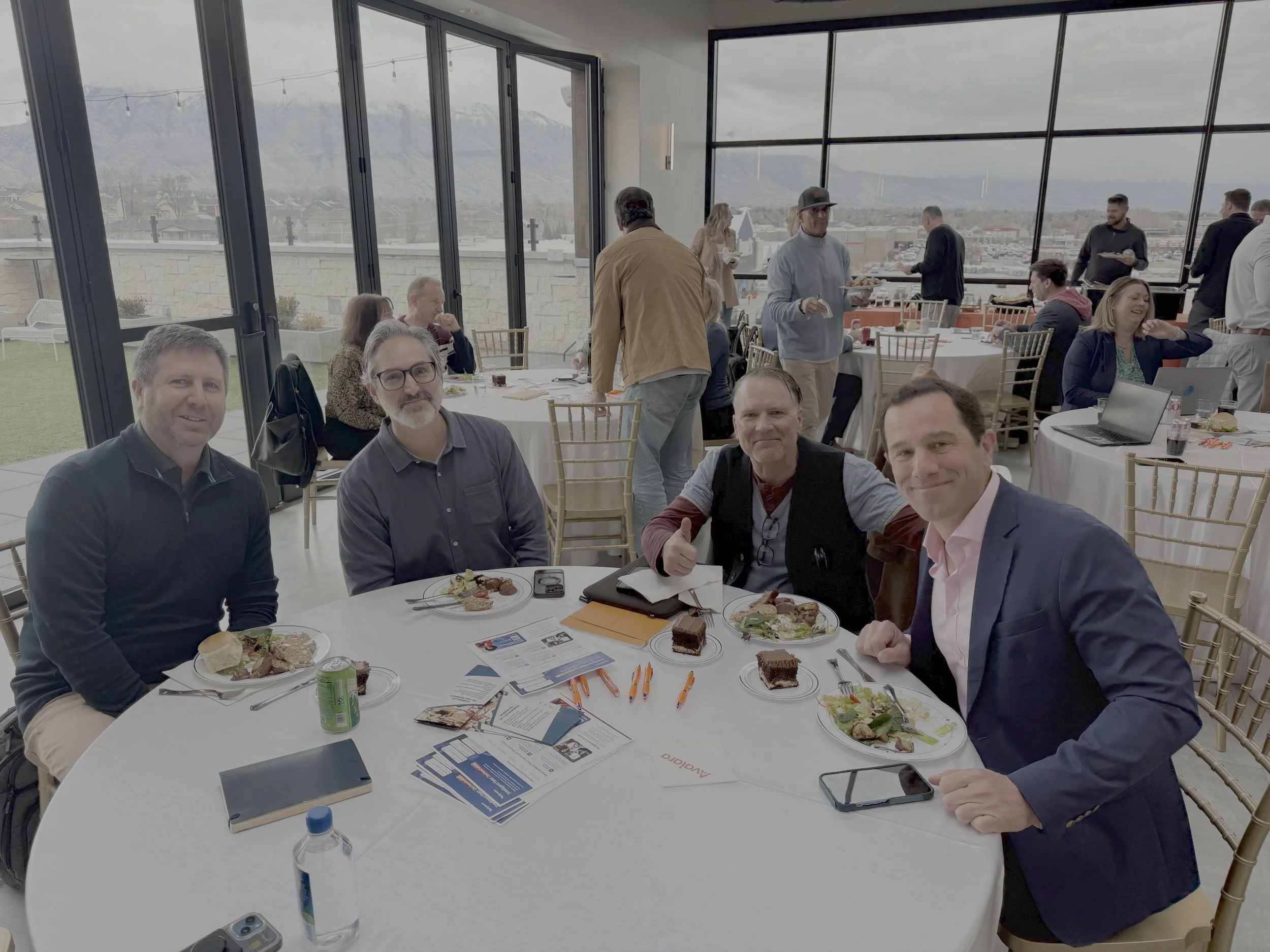
theJuice held an event in Lehi, Utah on February 12. Thought leaders from direct selling shared insights about their company, their products, their approach and even their own personal journeys. This article provides an overview of the event.
Join us at our next event —> see our Events page for more details.
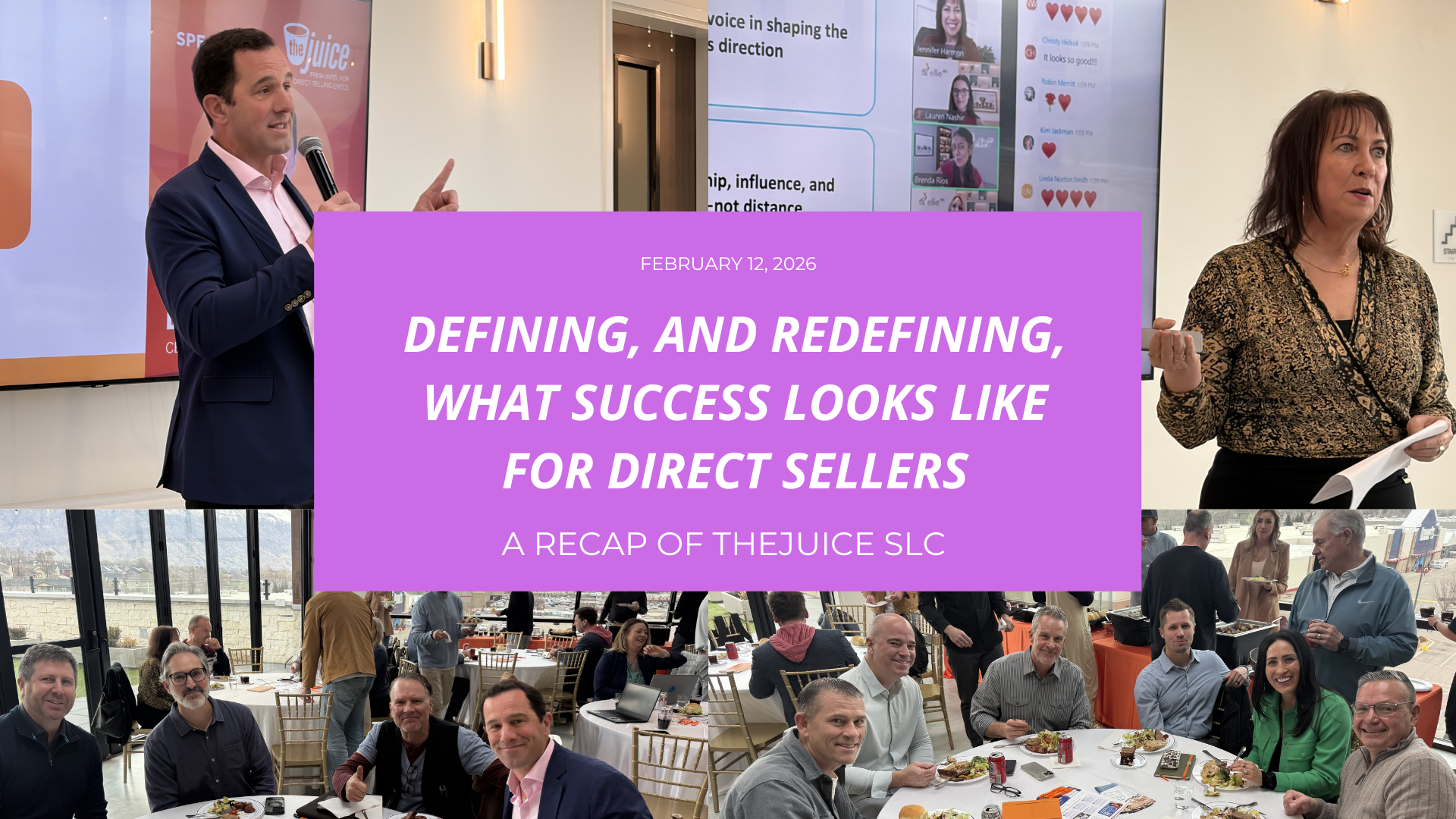
If theJuice in DFW two days prior felt like a recalibration around belief and fundamentals, theJuice SLC on February 12 felt like a strategic briefing.
theJuice returned to Utah for the first time since 2019, and the response was exciting. This event brought together leaders for a focused conversation around advocacy, startup momentum, sales enablement, AI integration, ecosystem thinking and the evolving shape of duplication.
From policy to pay plans, from user-generated content to machine learning, the common thread was clear: direct selling is actively refining how it operates, and how it tells its story.
The tone was confident and forward-looking. It was less about reacting to headlines, and more about building the next iteration of the channel with clarity and intention.
What stood out wasn’t urgency; it was alignment.
The conversation wasn’t about holding ground; it was about advancing it.
Dave Grimaldi: Define the Channel Before Someone Else Does
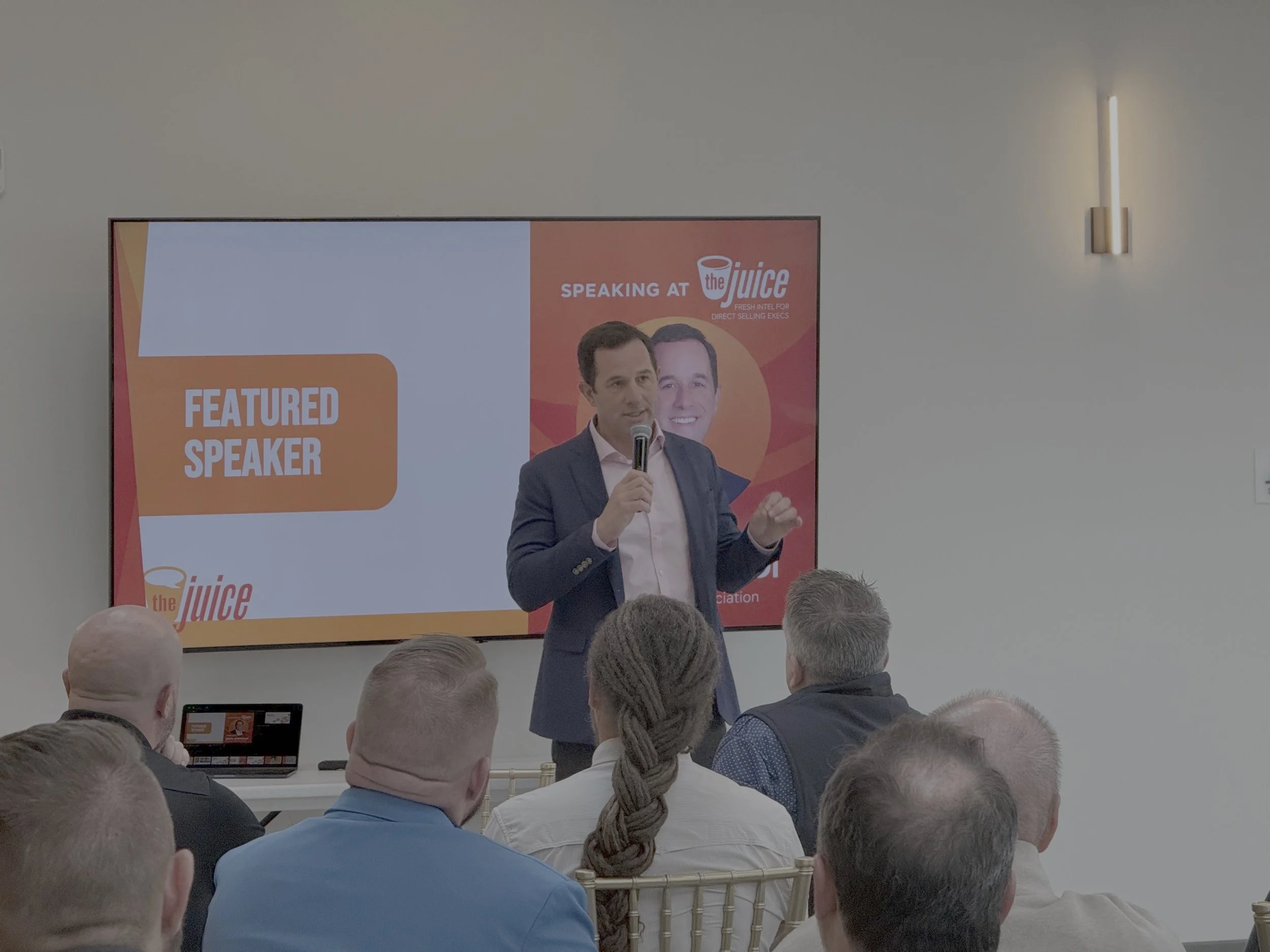
There are moments in an industry’s lifecycle when representation becomes existential. Dave Grimaldi made it clear we’re in one.
As CEO of the Direct Selling Association, Grimaldi’s message was not theoretical. It was tactical. The channel has spent years being defined by critics. Now, it’s defining itself — proactively — on Capitol Hill.
He framed the last year as “peacetime,” a rare window where the DSA was able to educate rather than defend. Relationships were rebuilt. Stereotypes were challenged. Congressional staffers (thousands of them) were introduced to a modern view of direct selling rather than the 1990s caricature many still carry.
But that window is closing.
Midterm elections are coming. Committee leadership will likely shift. Oversight hearings are inevitable. And issues like independent contractor classification are no longer abstract debates; they are active legislative battlegrounds.
Midterm elections are coming. Committee leadership will likely shift. Oversight hearings are inevitable. And issues like independent contractor classification are no longer abstract debates; they are active legislative battlegrounds.
The proposed Direct Seller and Real Estate Agent Harmonization Act is not just a technical bill. It’s a line in the sand over whether independent contractor status remains viable. And Grimaldi’s central thesis was clear: policy memos won’t win this fight. Stories will.
The move from written advocacy to testimonial advocacy — field leaders recording one- to two-minute videos about what independent contractor status actually means in their lives — may prove to be the most strategic shift the DSA has made in years. When policymakers see single mothers, military spouses and widows describing flexibility and autonomy in human terms, the “you’re cheating them out of benefits” narrative gets harder to sustain.
But Grimaldi didn’t sugarcoat what’s coming. Increased scrutiny from the FTC, pressure around sourcing, renewed “pyramid” rhetoric should all be expected. He acknowledged the uphill battle.
The subtext was unmistakable: if the channel does not actively tell its story, someone else will tell it for them. And they won’t tell it kindly.





Jennifer Harmon: Culture, Compensation and Content
If Grimaldi addressed external pressure, Jennifer Harmon showed what internal momentum looks like.
At just 18 months old, EllieMD has already paid out over $30 million in commissions to roughly 12,000 brand partners. That’s not a vanity stat. It’s an impactful fact. Harmon intentionally reframed scale: small doesn’t mean insignificant when real money is hitting real households.
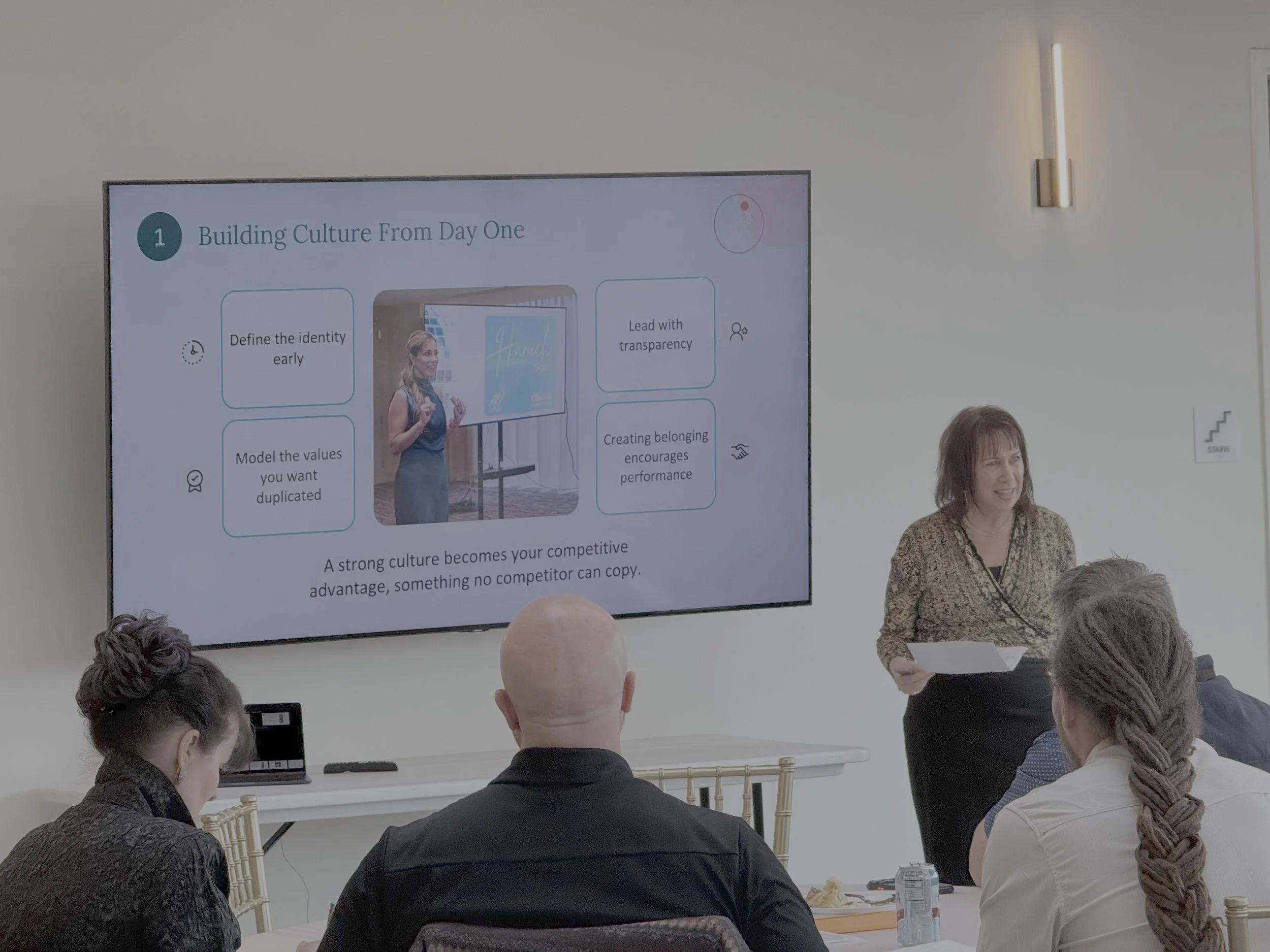
Her framework for startup success was deceptively simple: Culture. Compensation. Content.
Culture, first. Not product. Not even comp plan.
EllieMD’s origin story — rebuilding after financial sabotage, leaders funding their own early events, vulnerability at the top — created a bond that can’t be engineered later. The elephant symbolism wasn’t branding fluff. It became a rallying identity during crisis.
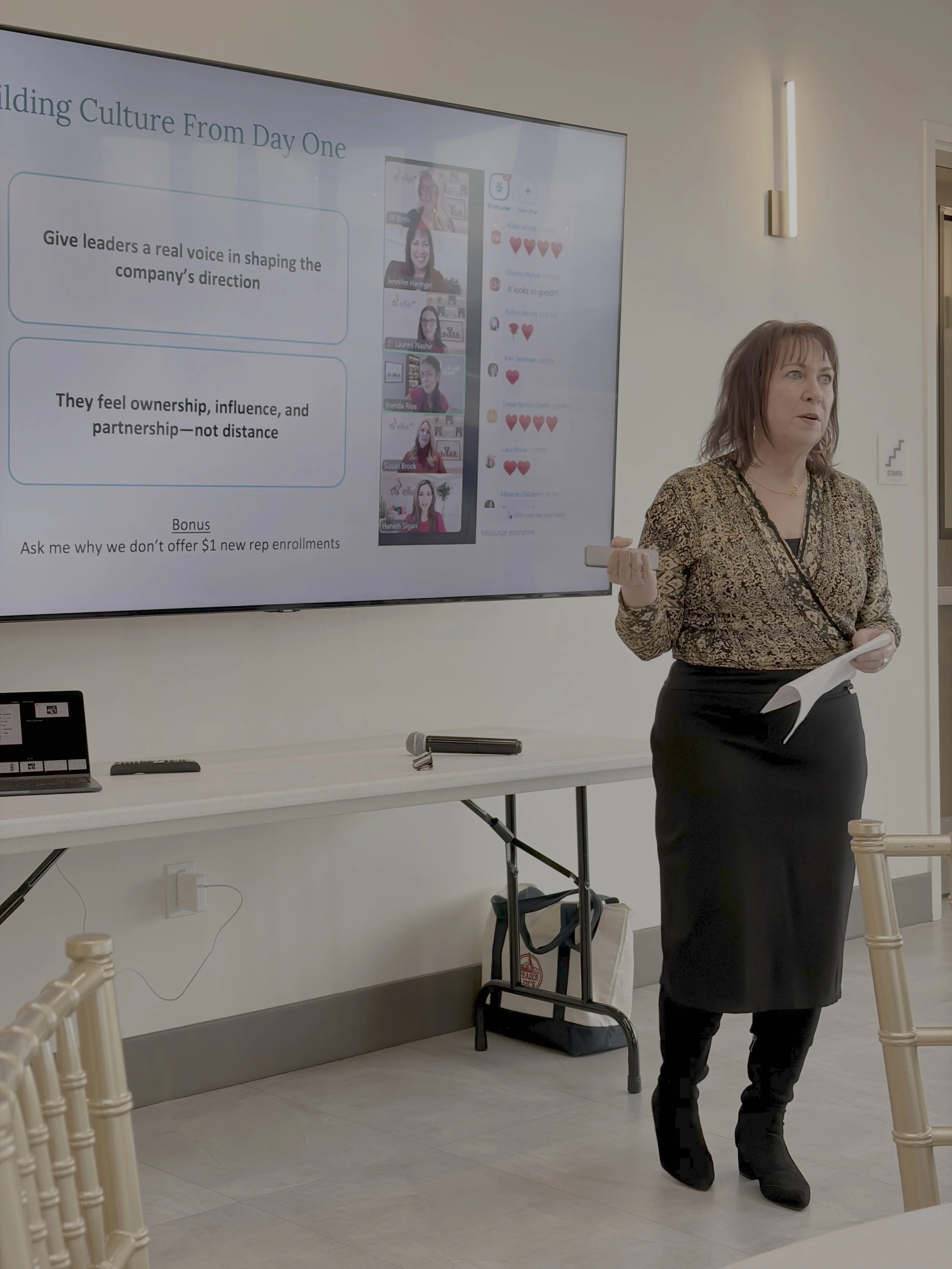
Harmon’s stance against dollar enrollments drew quiet nods across the room. Cheap sign-ups may inflate headcount, but they erode earning potential for committed builders.
Harmon’s stance against dollar enrollments drew quiet nods across the room. Cheap sign-ups may inflate headcount, but they erode earning potential for committed builders. Her emphasis on simple wins early in the pay plan (and increasing difficulty as rank advances) reflects something many legacy companies learned the hard way: complexity kills momentum.
Field-driven, user-generated storytelling is the key to good content marketing. The shift from overproduced assets to authentic phone-recorded narratives mirrors broader digital behavior trends. Consumers don’t trust studio lights anymore. They trust lived experience.
Perhaps most notable was EllieMD’s onboarding discipline: Group onboarding sessions, strategy calls and compliance incentives were all discussed.
Kate Gardner: Ecosystem Thinking Is the Next Evolution
Kate Gardner didn’t deliver a single thesis. She delivered a series of signals.
Her shift from “infrastructure” to “ecosystem” language may seem semantic. It’s not. Ecosystems imply interdependence. Suppliers, executives, field leaders, publishers, advocates and even private equity are no longer peripheral. They are structural, and all parts of the direct selling ecosystem.
Her early-stage conversations around a women’s collaborative aren’t about exclusivity; they’re about activation. If direct selling is majority female at the field level, executive-level representation and structured collaboration deserve exploration.
Her curiosity around private equity was equally pragmatic. The channel’s relationship with PE has been rocky. But writing off institutional capital entirely may be shortsighted. The better question is not “Does PE work?” It’s “Under what conditions could it work?”
And her endorsement of John Fleming’s New Economy wasn’t promotional. It was philosophical. The channel needs better language. Stronger definitions. More confident storytelling. New Economy is a good place to look for some of this.
Brett Duncan: The Duplication Dilemma Is Real
If there was one operational issue that quietly surfaced across multiple conversations, it was duplication.
Brett Duncan articulated what many leaders are privately admitting: the explosion of sales methods — in-person, Facebook parties, TikTok lives, hybrid models — has made “simple duplication” not so simple.
Field members aren’t necessarily afraid of recruiting; they’re afraid of what happens if someone says yes. If they don’t know how to coach online sellers, or how to train someone who only wants to build digitally, hesitation creeps in. And hesitation stalls growth.
Promotions cannot solve that. In fact, over-reliance on promotions may be masking a deeper training gap. Companies must re-define what duplication means in 2026. It likely isn’t one system anymore. It’s a controlled set of pathways with clear guardrails.
That requires home office ownership, not field improvisation.
Partner Perspectives: Quick Insights from Experts in Direct Selling
Several sponsors support these events (see below), and we’re so thankful for their involvement and investment. Title sponsors have the opportunity to share what we call Partner Perspectives: 10-minute, focused presentations that cover a single topic and share what these experts have the privilege of observing across multiple companies. At theJuice SLC, two Partner Perspectives were delivered. Here’s a quick recap of each.
JJ Oswald of Hussle Technology reframed sales enablement as a system, not a software deployment. Simply launching a platform, he argued, does not empower the field; real adoption requires alignment across IT, marketing and sales, along with clear buy-in from field leaders. Oswald emphasized the importance of understanding and intentionally designing the “share flow,” the actual sequence of assets and actions distributors use to move from first exposure to enrollment. Companies that engineer and train that flow see measurable results, including triple-digit increases in share behavior and significant enrollment lift. The takeaway wasn’t to buy better technology — it was to build clearer systems, because technology amplifies clarity; it doesn’t create it. Reach out to JJ to learn more and for a complimentary content strategy discussion.
Beau Brewer of Fluid positioned AI not as a replacement for leadership, but as a human multiplier, a tool that accelerates thinking rather than substitutes for it. Demonstrating platforms like NotebookLM, he showed how executives can transform articles, transcripts and research into searchable knowledge hubs, mind maps and even podcast-style summaries, all while controlling source inputs to prevent hallucination — a critical safeguard in a compliance-driven industry. The larger takeaway was practical: AI can turn buried conversations into actionable insight, quantify field sentiment in minutes and preserve institutional knowledge, but only when deployed intentionally. The opportunity isn’t to label everything “AI-powered,” but to use it where it sharpens strategy, clarifies decisions and reduces friction. Connect with Beau on LinkedIn now.
The Pattern Emerging at theJuice SLC
If you zoom out, the SLC event revealed five undeniable realities:
1. Advocacy is no longer optional.
Independent contractor status, FTC scrutiny and legislative oversight demand active engagement.
2. Startups are proving discipline beats size.
Culture, simple compensation and structured onboarding can outperform scale alone.
3. Technology must serve behavior, not replace it.
Enablement requires alignment across departments and real training in the field.
4. AI is here, but maturity matters.
Strategic deployment will differentiate companies. Hype will not.
5. Duplication needs a modern rewrite.
Field confidence in “what happens next” is the bottleneck few are talking about loudly enough.
The leaders in that room understand that scrutiny is coming, technology is accelerating and capital structures are evolving. But they also understand something else: This channel has never been static. It has always adapted.
The difference now is that adaptation must be intentional. Defined. Documented. Defended with stories and strengthened with systems.
The narrative isn’t being written in hindsight anymore. It’s being written in real time. And the companies paying attention are positioning themselves accordingly.




Other Articles You May Enjoy