Belief, Irresistible Offers and When Personal Development REALLY Matters
A Recap of theJuice DFW on February 10, 2026
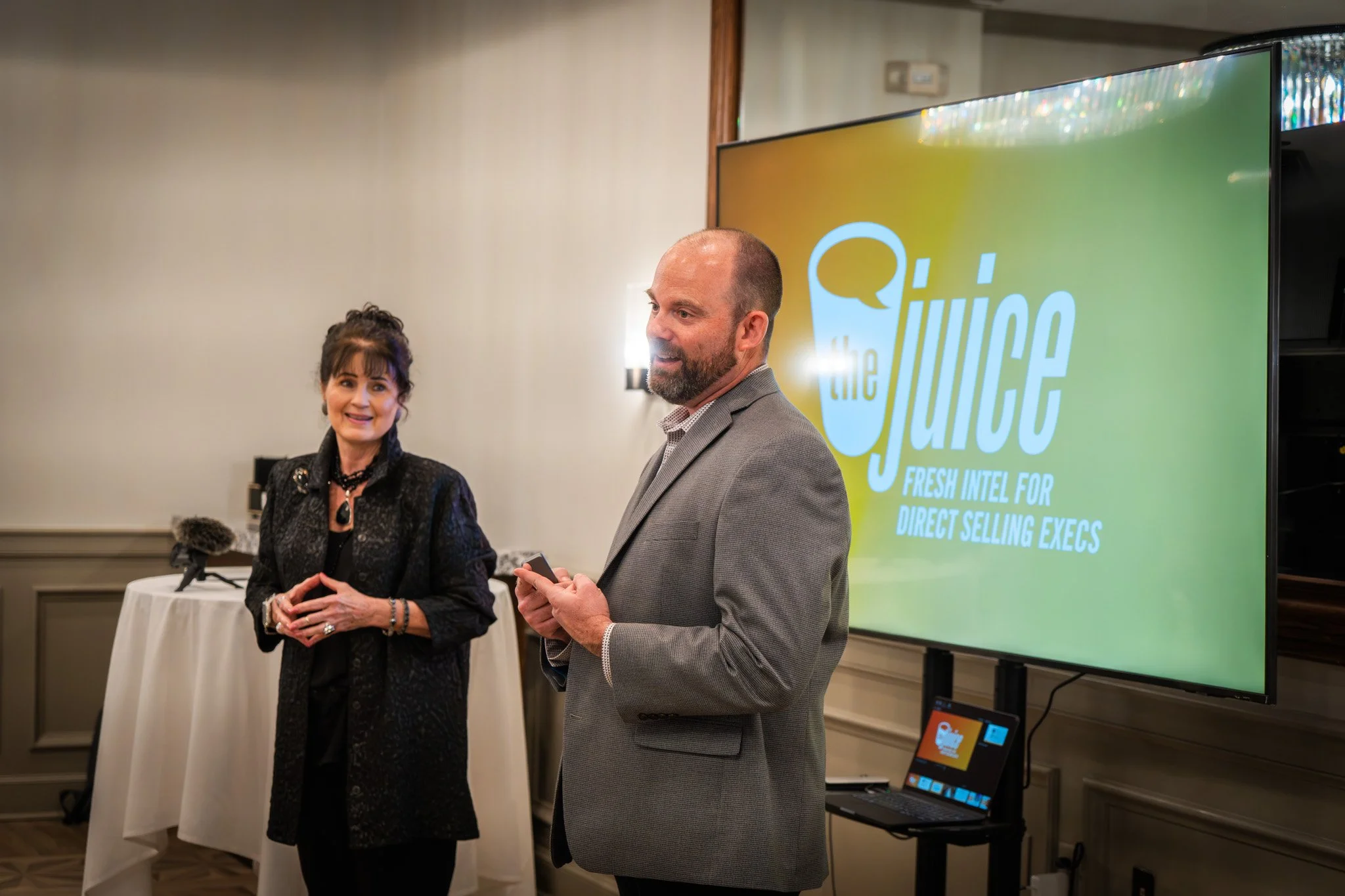
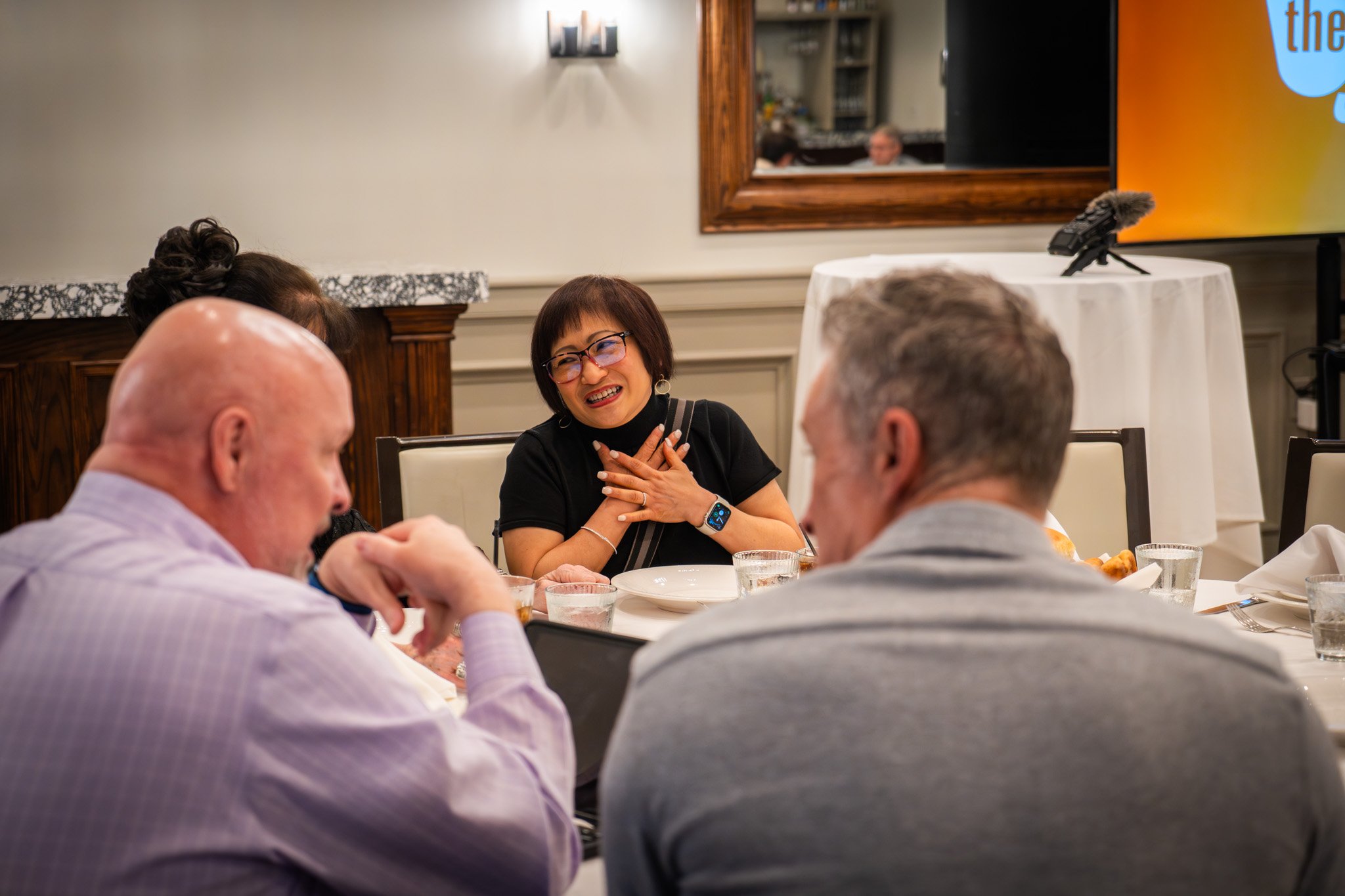
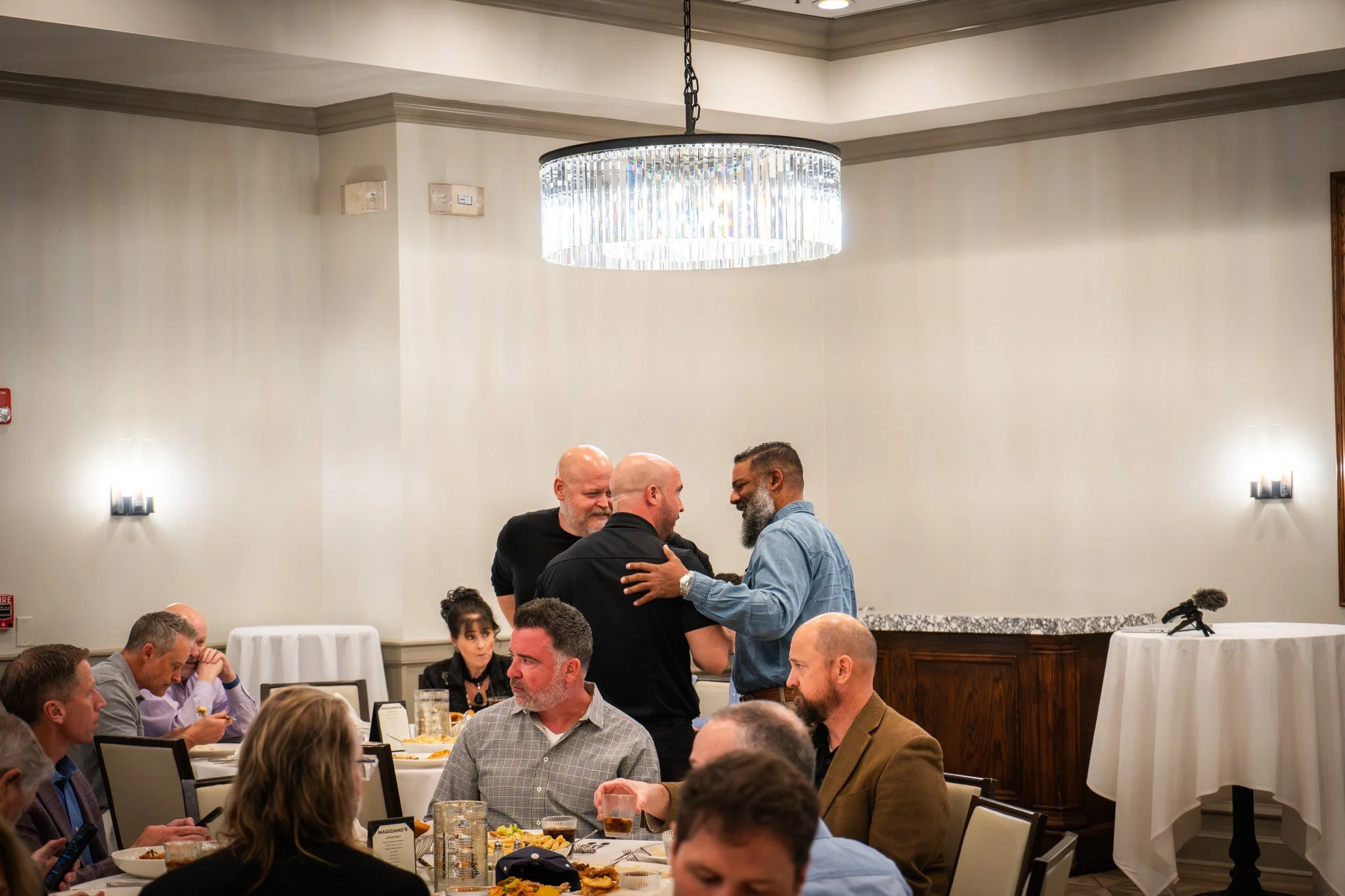
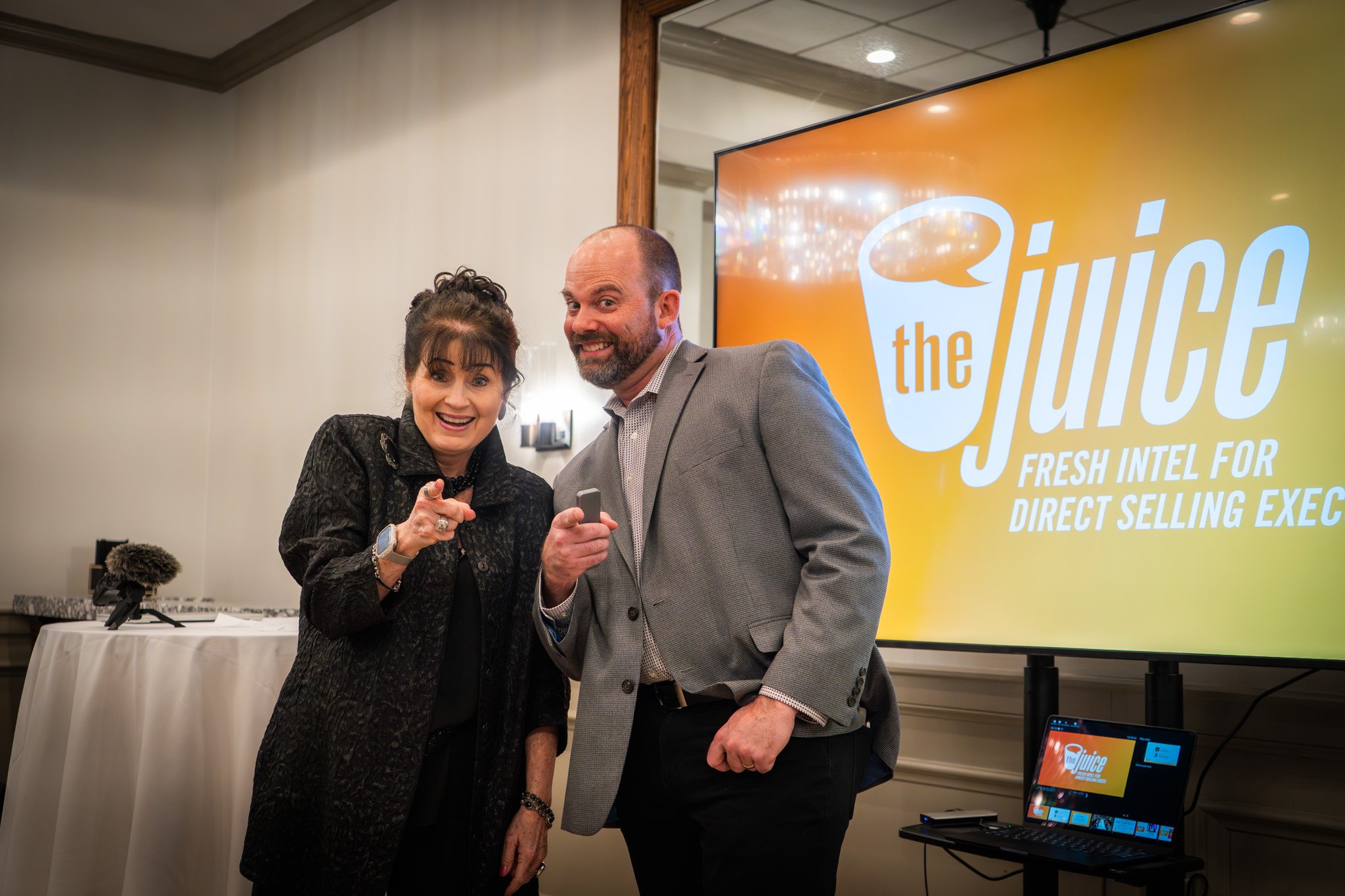
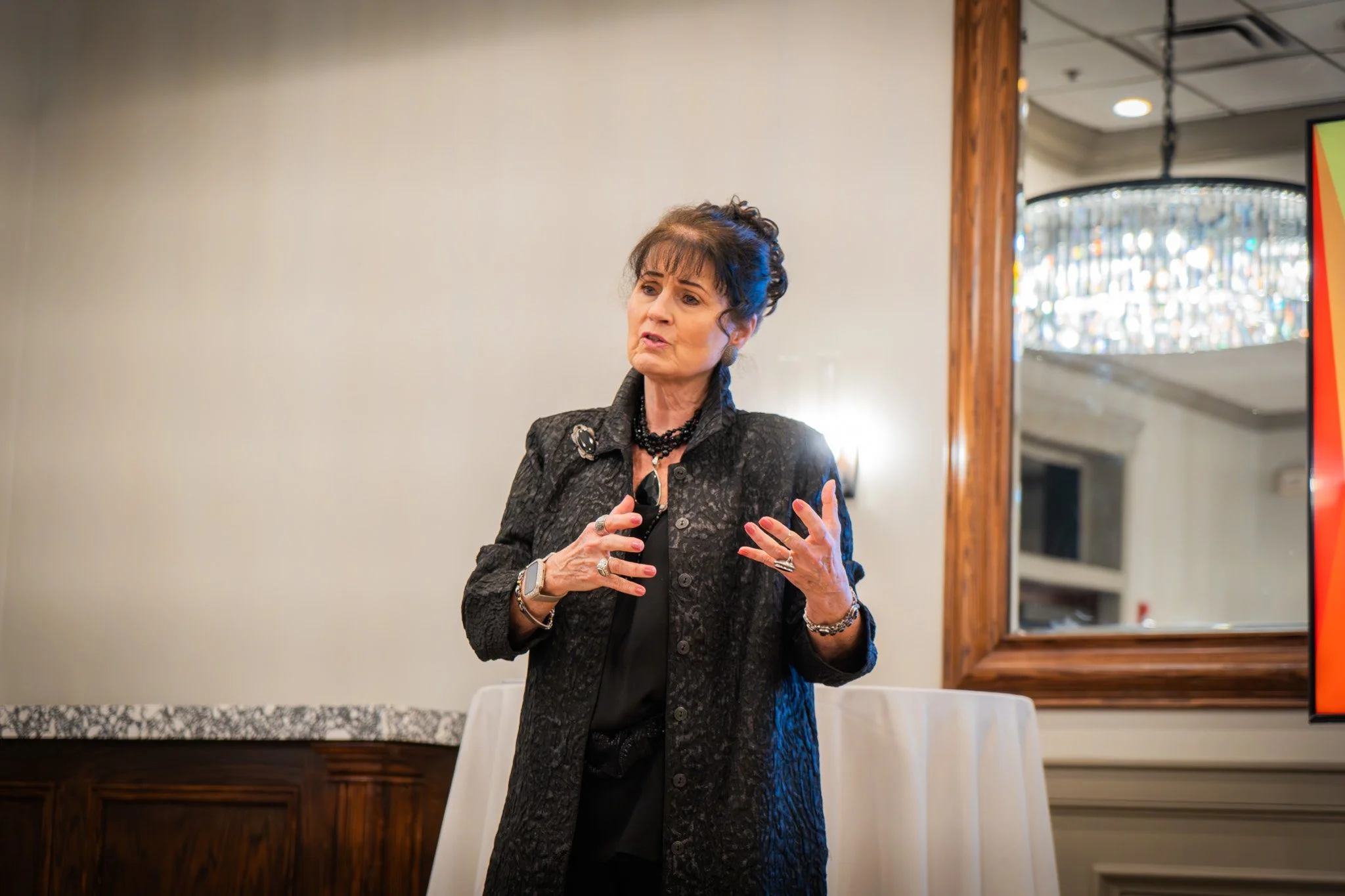
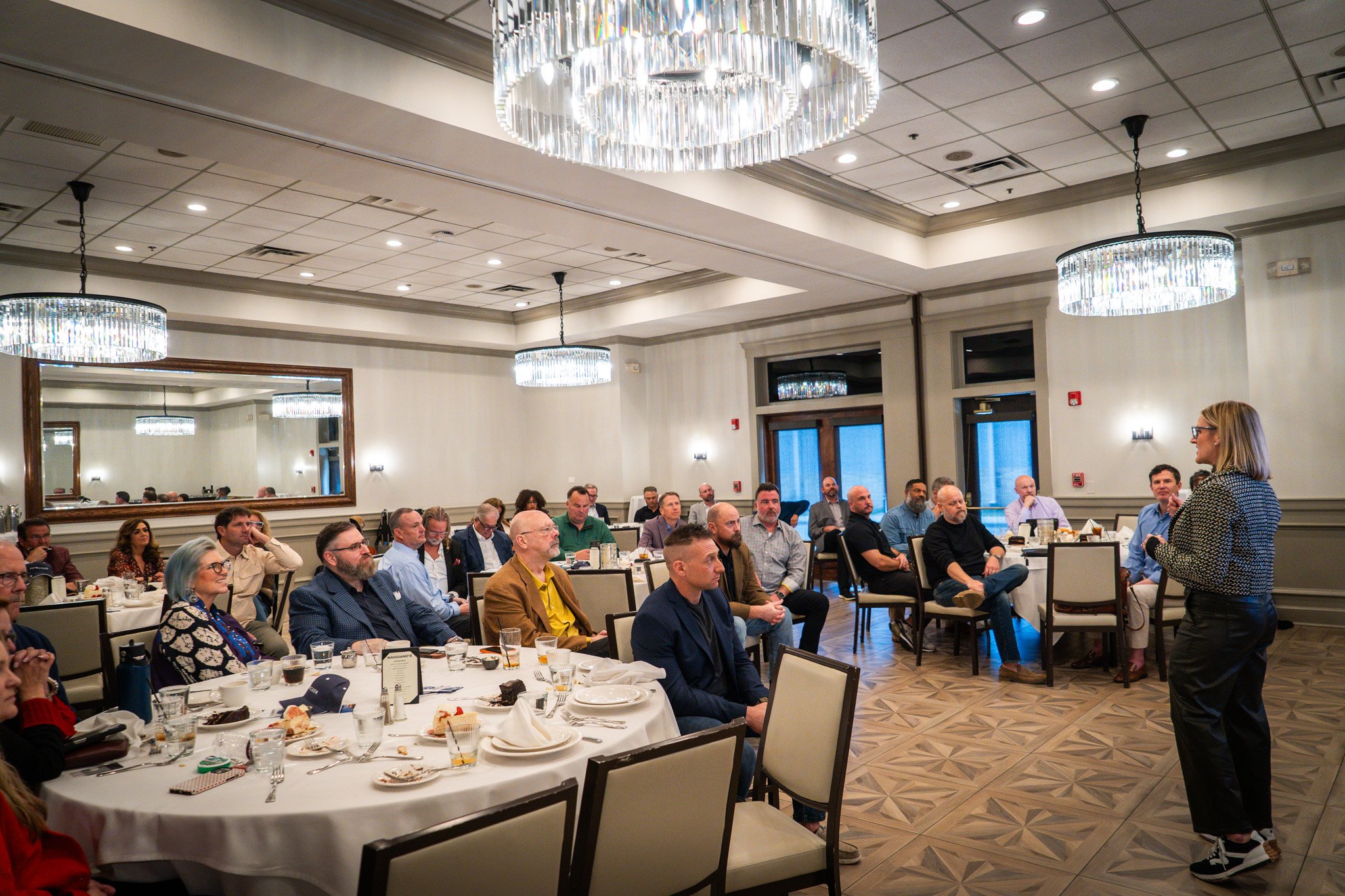
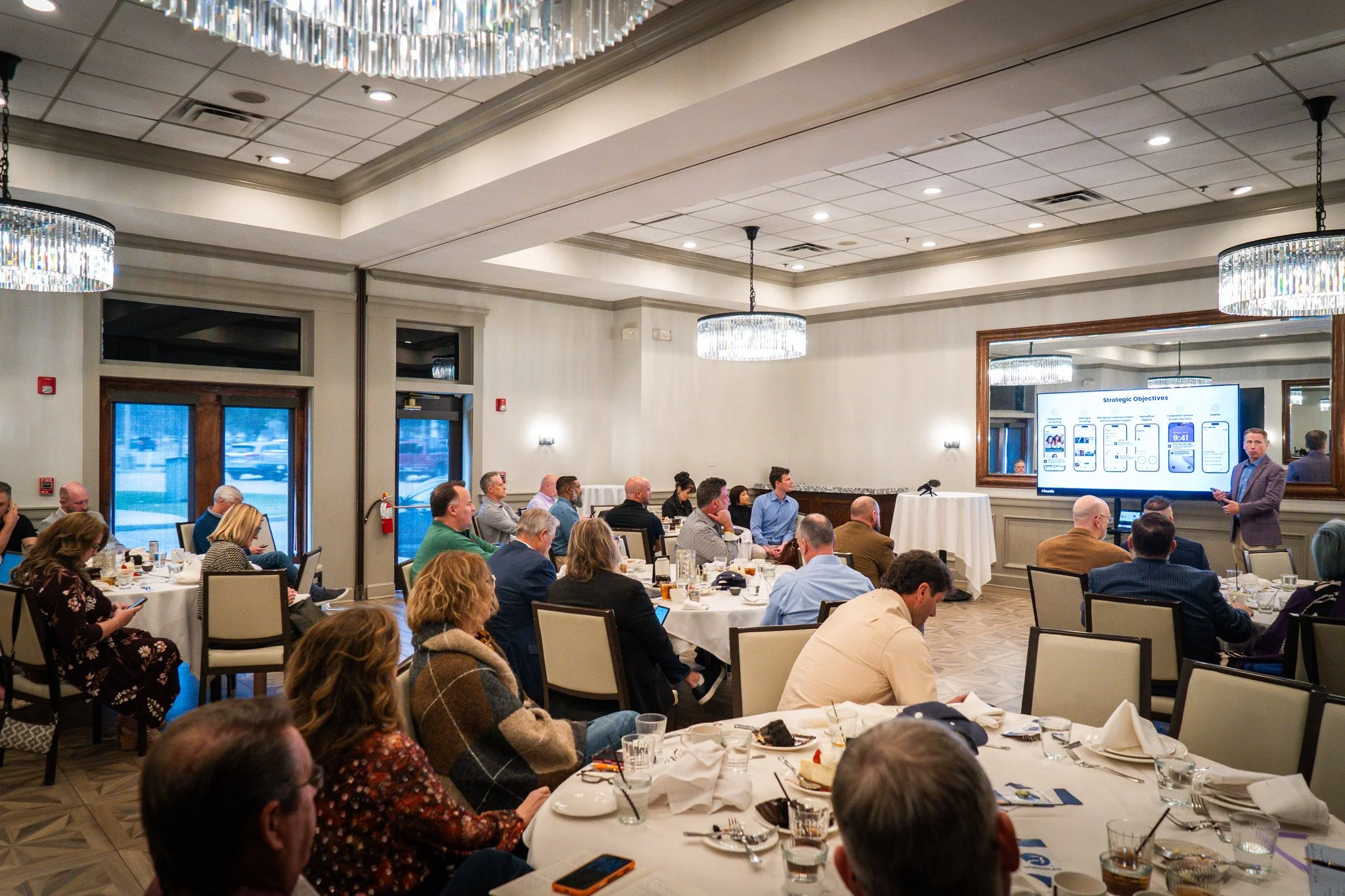
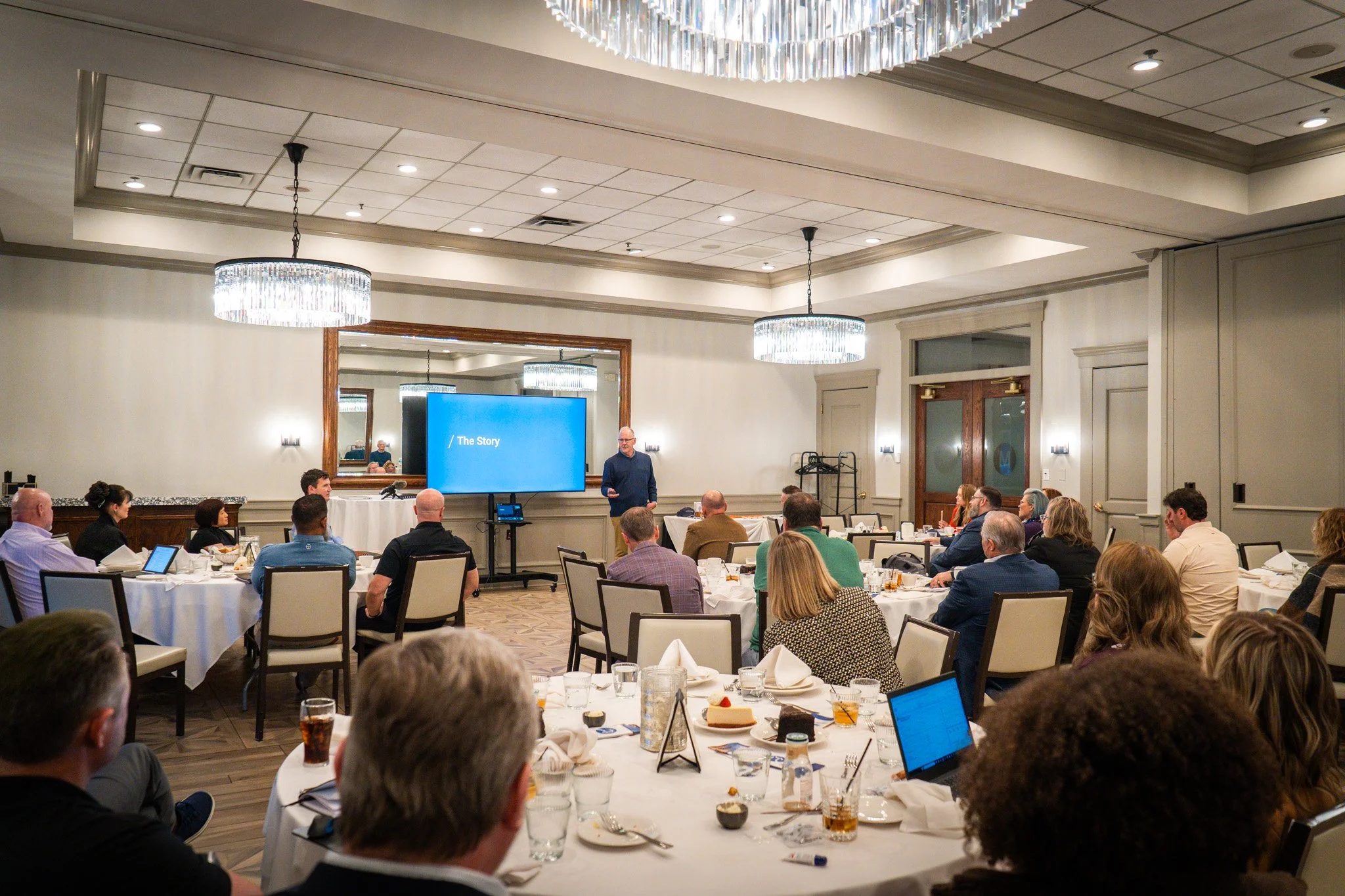
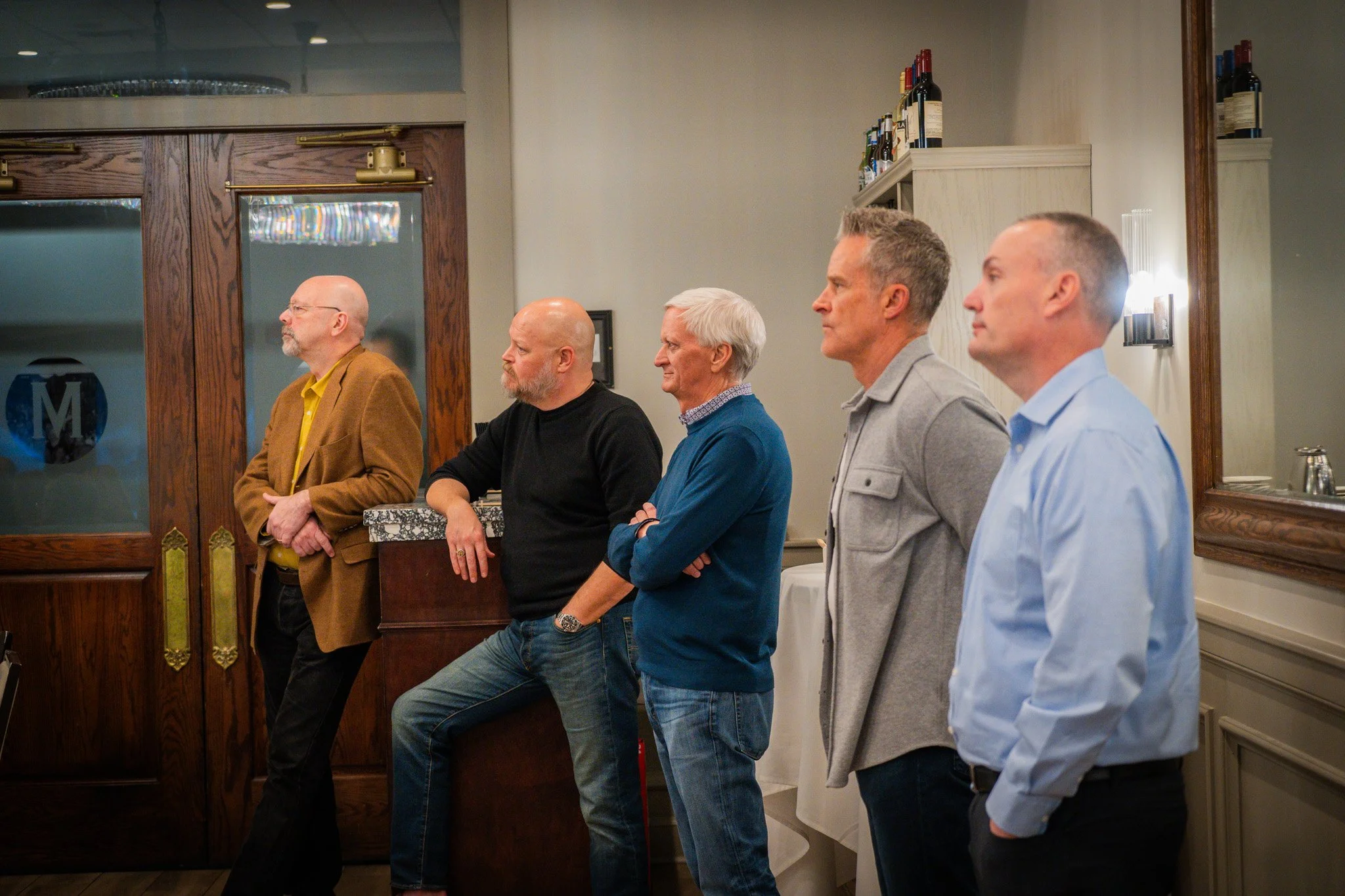
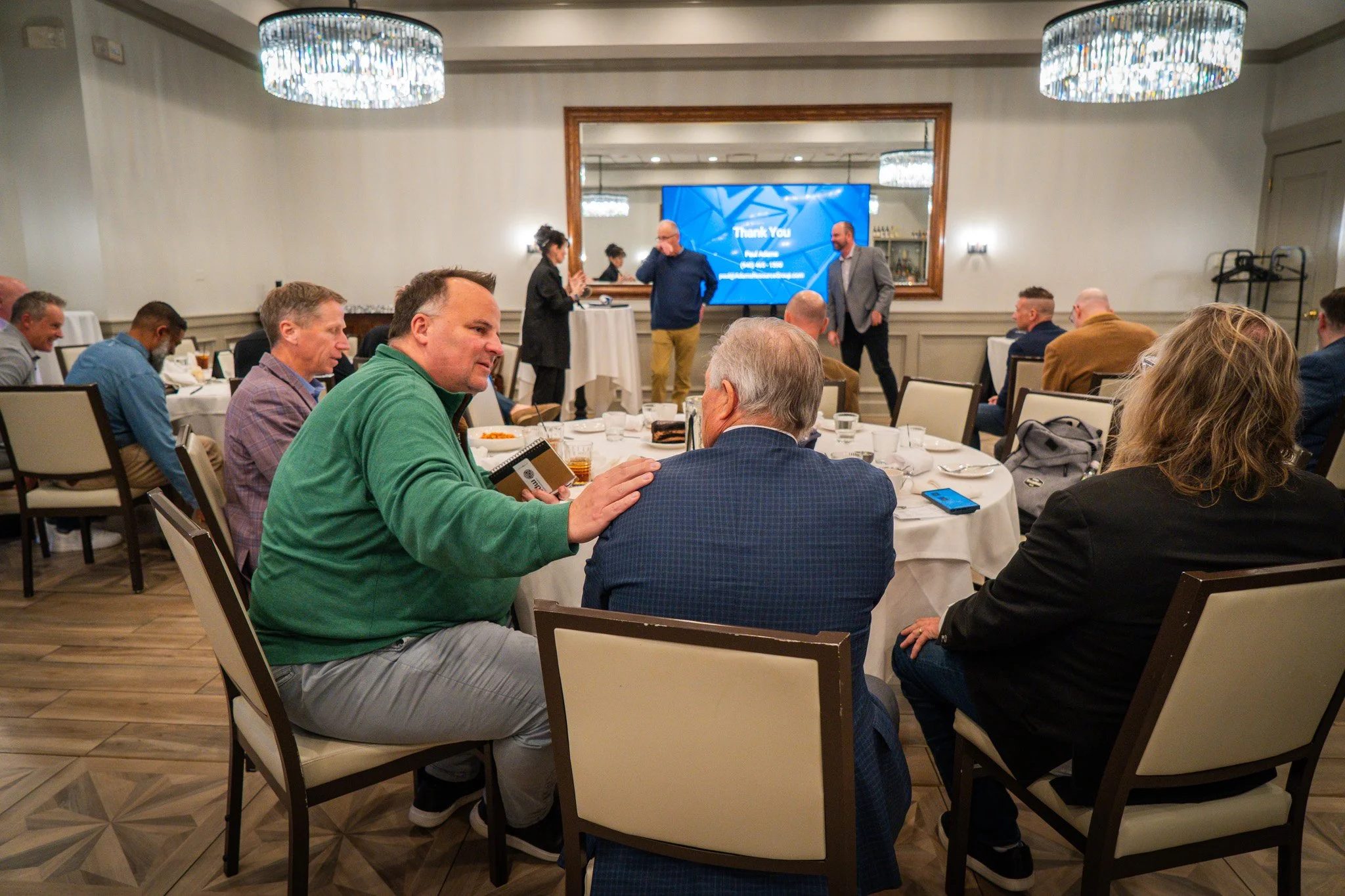
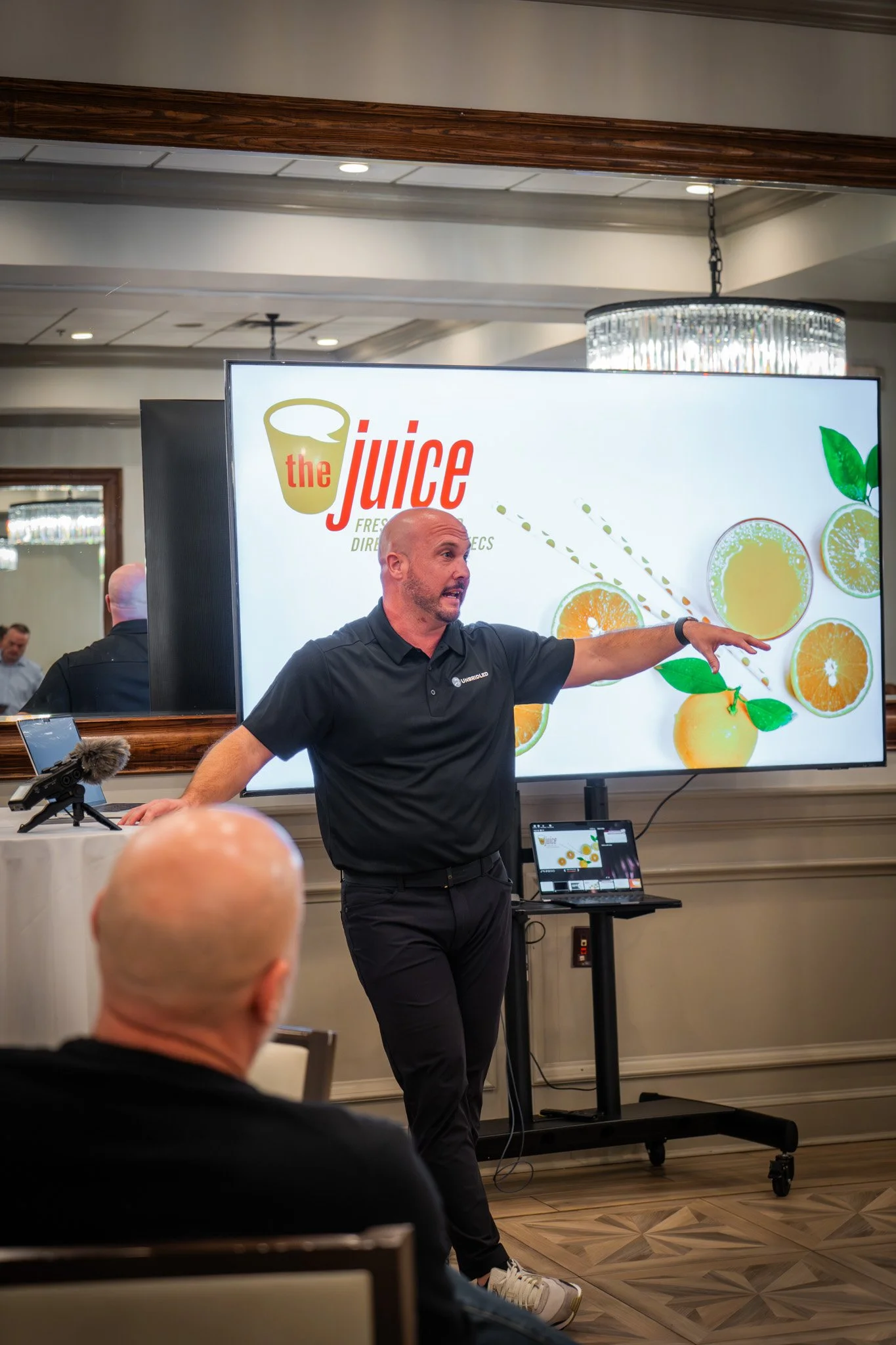
theJuice held an event in Plano, Texas on February 10. Thought leaders from direct selling shared insights about their company, their products, their approach and even their own personal journeys. This article provides an overview of the event.
Join us at our next event —> see our Events page for more details.
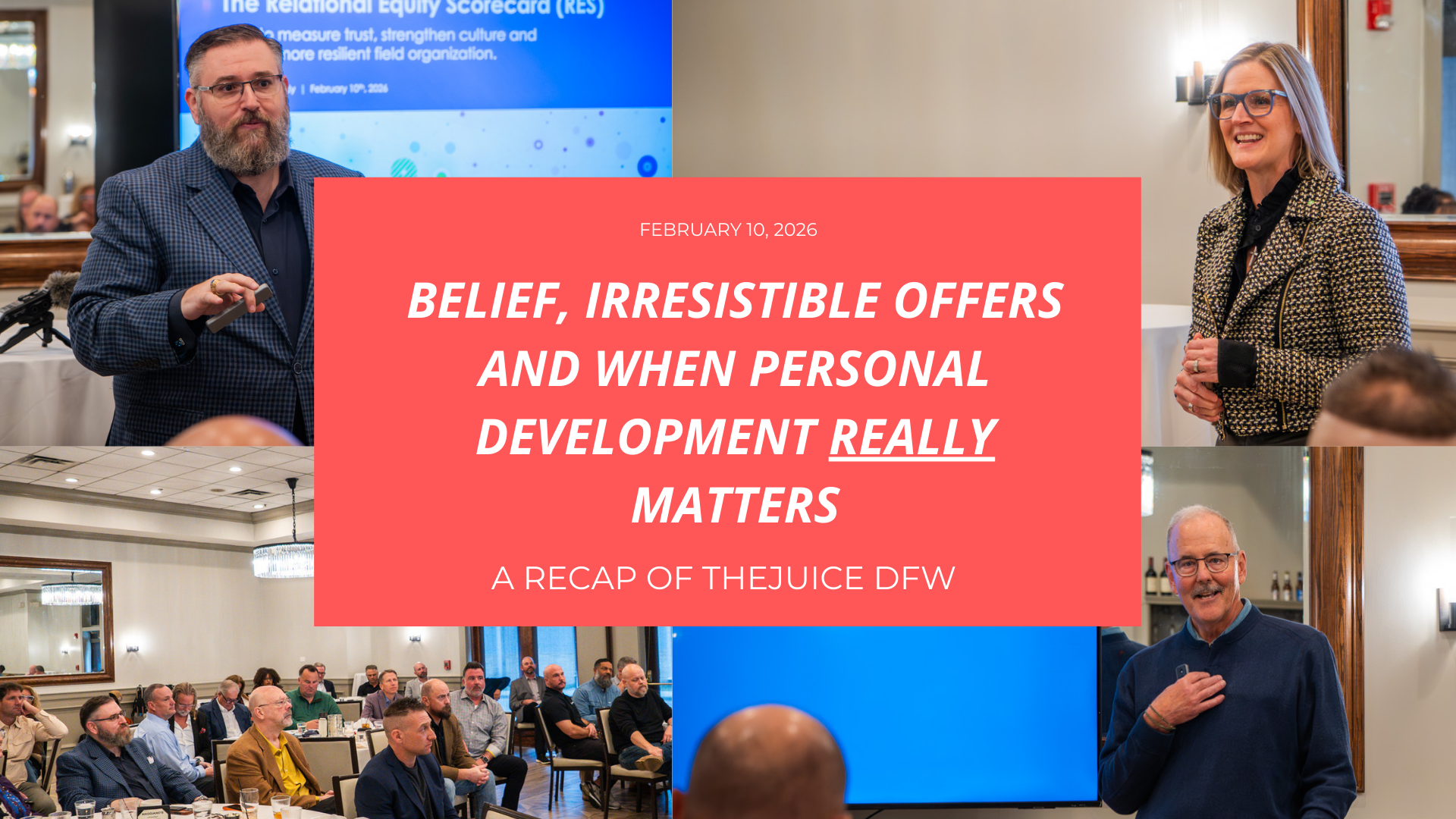
If you zoom out far enough, the DFW gathering of theJuice wasn’t really about tactics. It wasn’t about the next comp plan adjustment, a new tool stack or some clever field promotion. It was about something more foundational.
Across very different presentations … from relational equity to community solar to lung transplant recovery … the same idea kept resurfacing: this channel runs on belief, and belief only scales when it’s supported by infrastructure and disciplined leadership.
That may sound obvious. But it seems like maybe it isn’t so much these days.
In a season where direct selling companies are navigating regulatory pressure, capital scrutiny, affiliate pivots and cultural fatigue, belief can quietly erode long before the numbers reveal it. What happened in DFW was less a rally and more a recalibration.
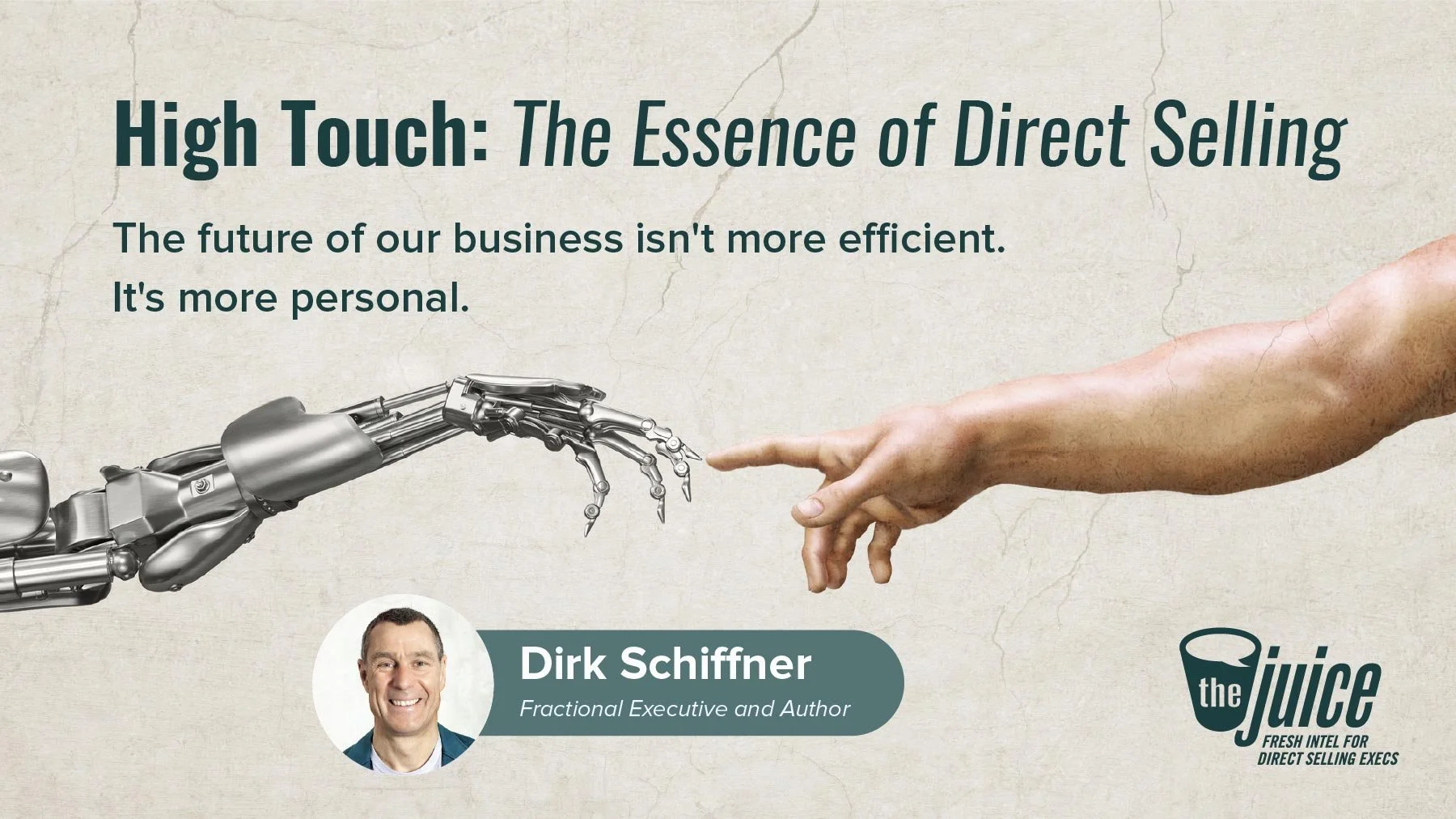
Michael Cody: Treat Belief Like the Asset It Is
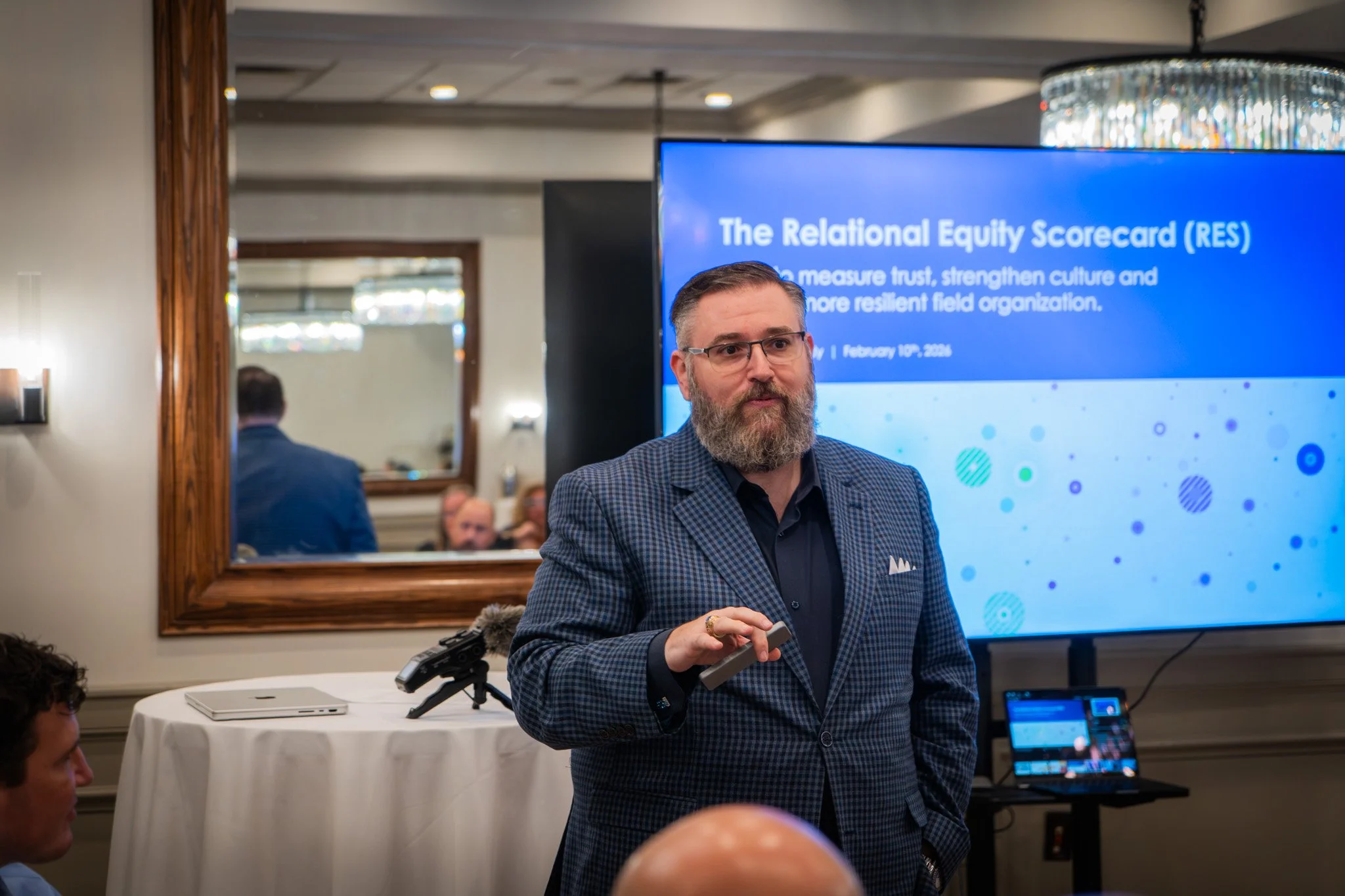
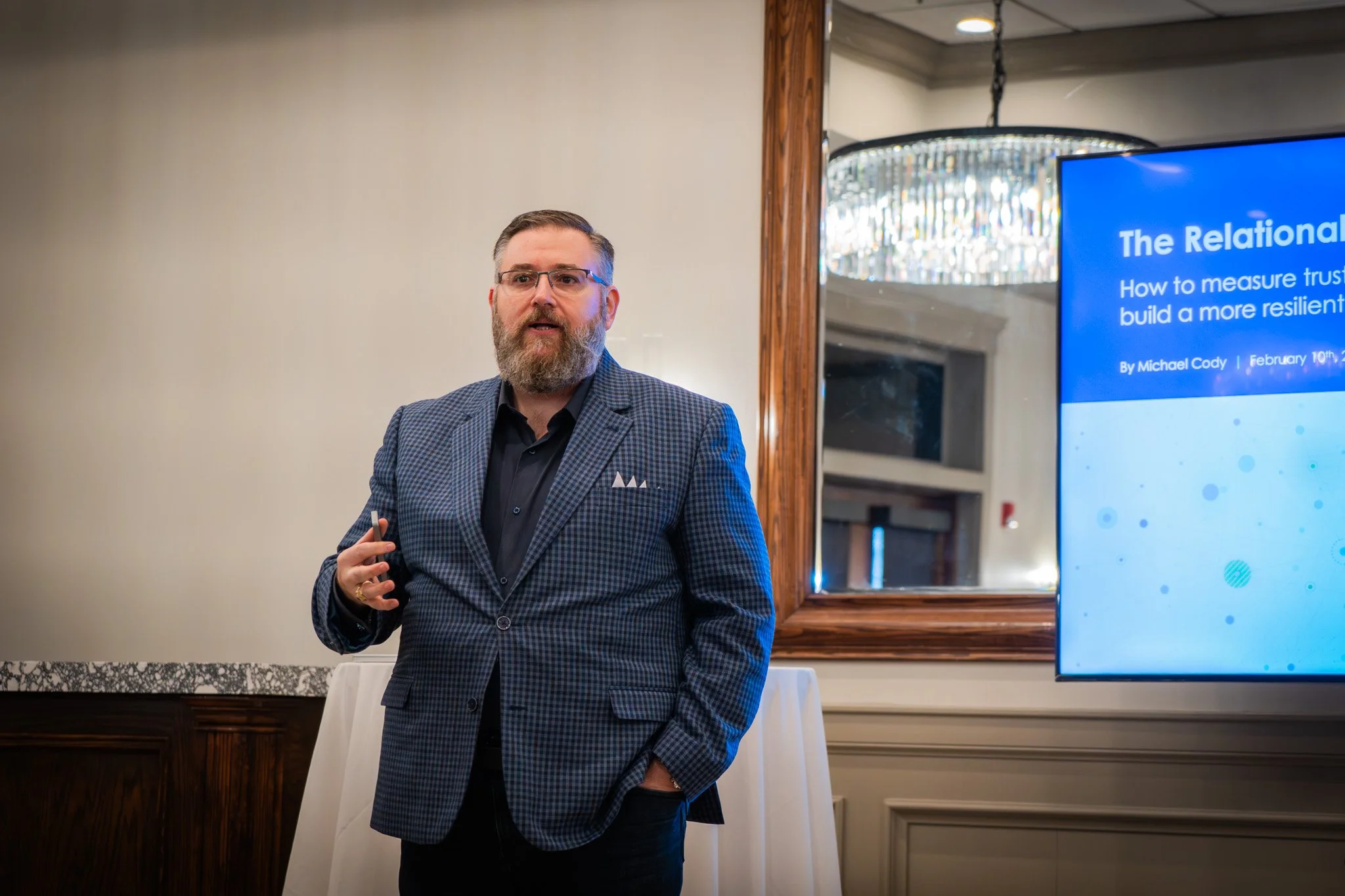
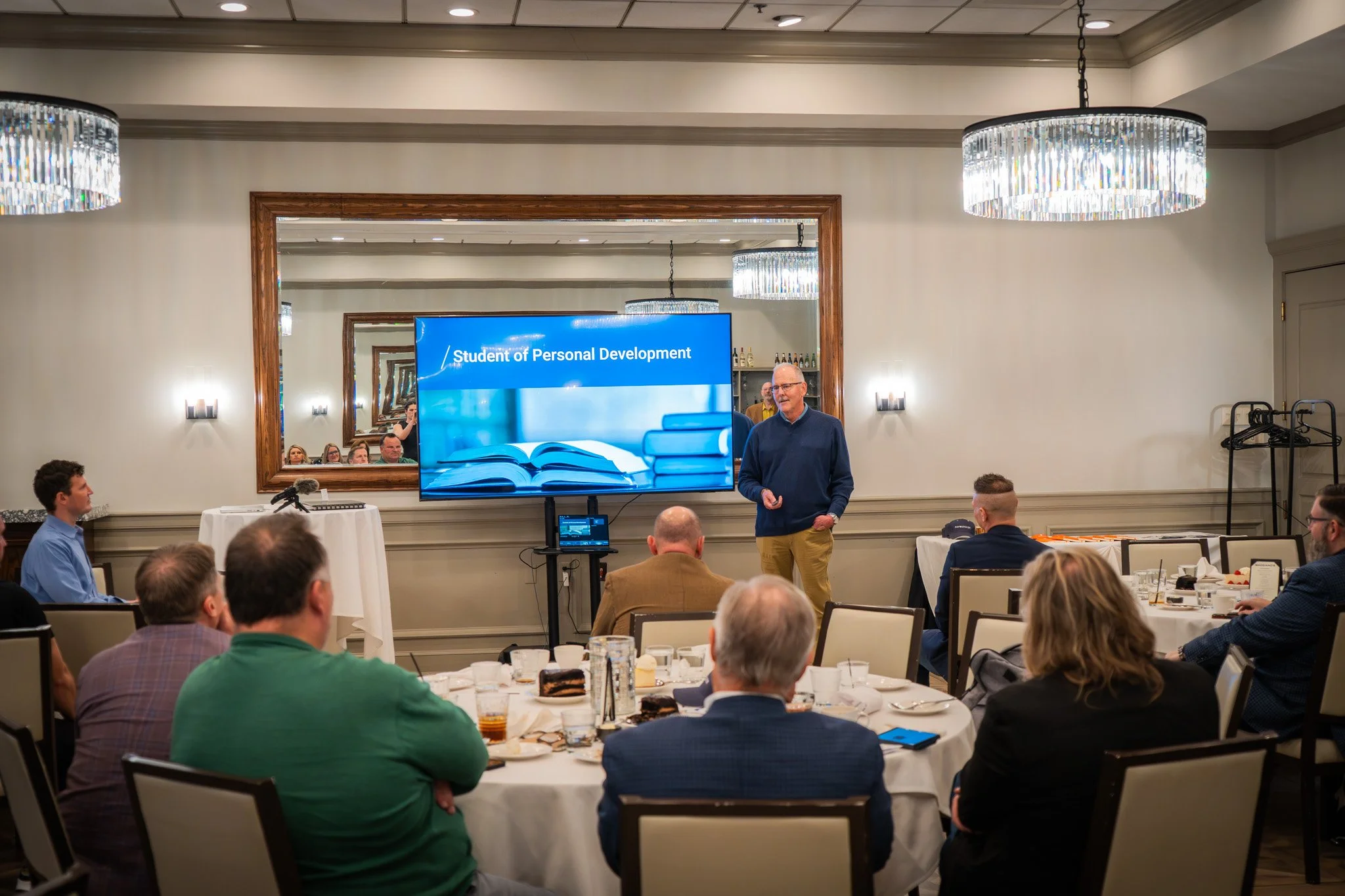
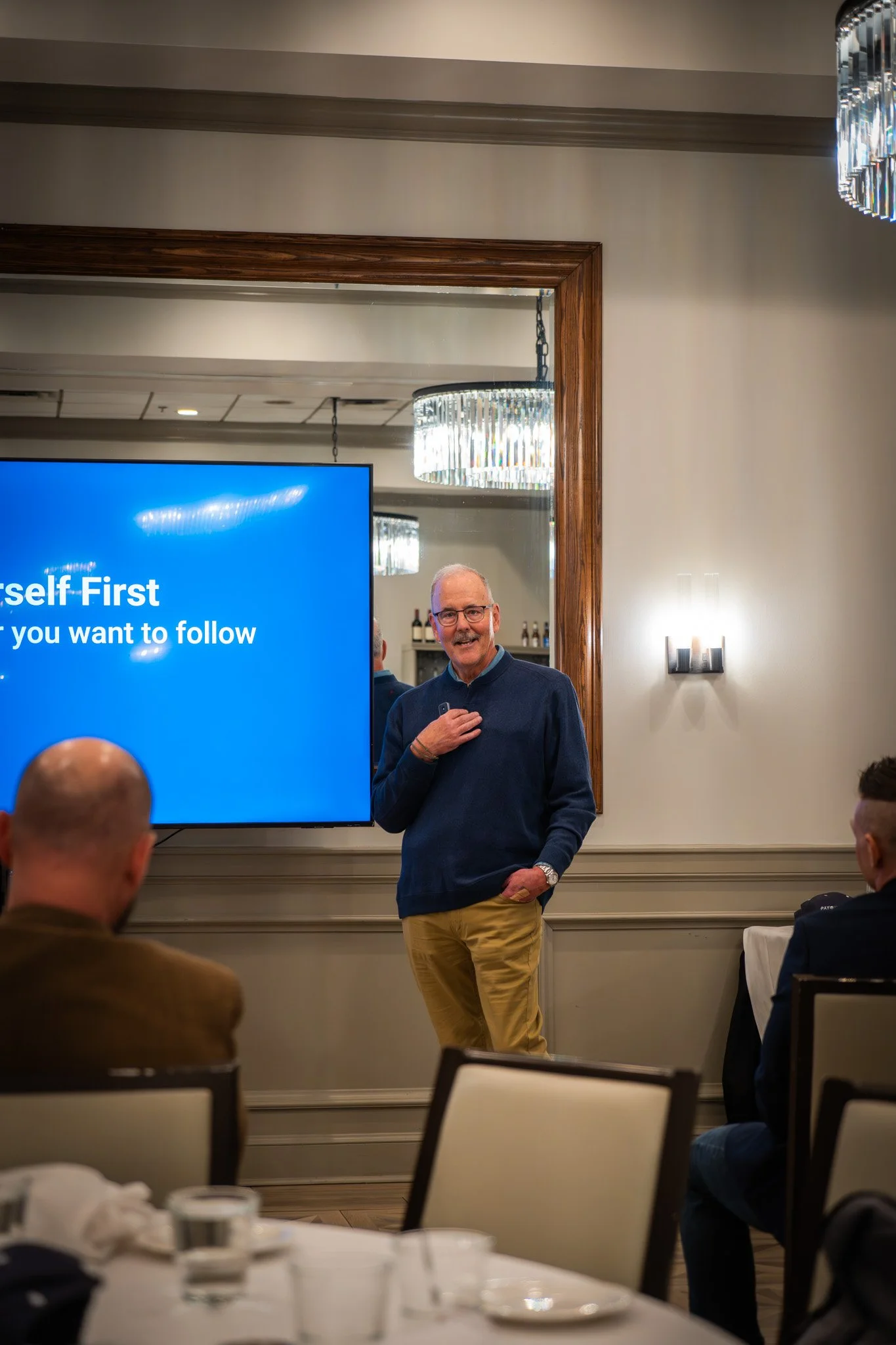
Michael Cody’s session provided the intellectual backbone of the day. Michael serves as the COO of Genistar in the United Kingdom. His core argument was deceptively simple: direct selling is a belief-driven model, yet most companies don’t measure belief with any real discipline.
Instead, we measure volume, rank advancements and revenue trends, then assume belief exists because activity does. Cody challenged that assumption by introducing his Relational Equity Scorecard, built around three drivers — connection, contribution and continuity — that operate multiplicatively rather than additively.
The distinction matters. High connection with weak continuity produces churn. High contribution without authentic connection leads to brittle, transactional growth. High continuity without contribution results in stagnant loyalty that eventually fades. When any of the three weakens, relational equity declines even if revenue temporarily holds steady.
Cody challenged that assumption by introducing his Relational Equity Scorecard, built around three drivers — connection, contribution and continuity — that operate multiplicatively rather than additively.
His framing of the “post-gig economy” added context. Flexibility, once a differentiator, is now expected. What the gig economy has not delivered is ownership, equity or enduring community. Direct selling can, but only if it actively protects those elements. Cody’s quiet warning to executives was that attrition rates of 65–80 percent should not be accepted as inevitable. They represent relational equity walking out the door.
Perhaps most importantly, he surfaced a tension between relational value and financial value. If investors and operators do not understand how belief compounds inside this model, they will default to traditional efficiency levers that unintentionally undermine it. Incentive cuts, structural tightening and short-term margin plays may look prudent on a spreadsheet, but they can erode the very asset that makes the model viable.
Belief, in other words, is not a soft metric. It is the core asset. And assets deserve to be managed.
Charla Gervers: The Power of an Irresistible Offer
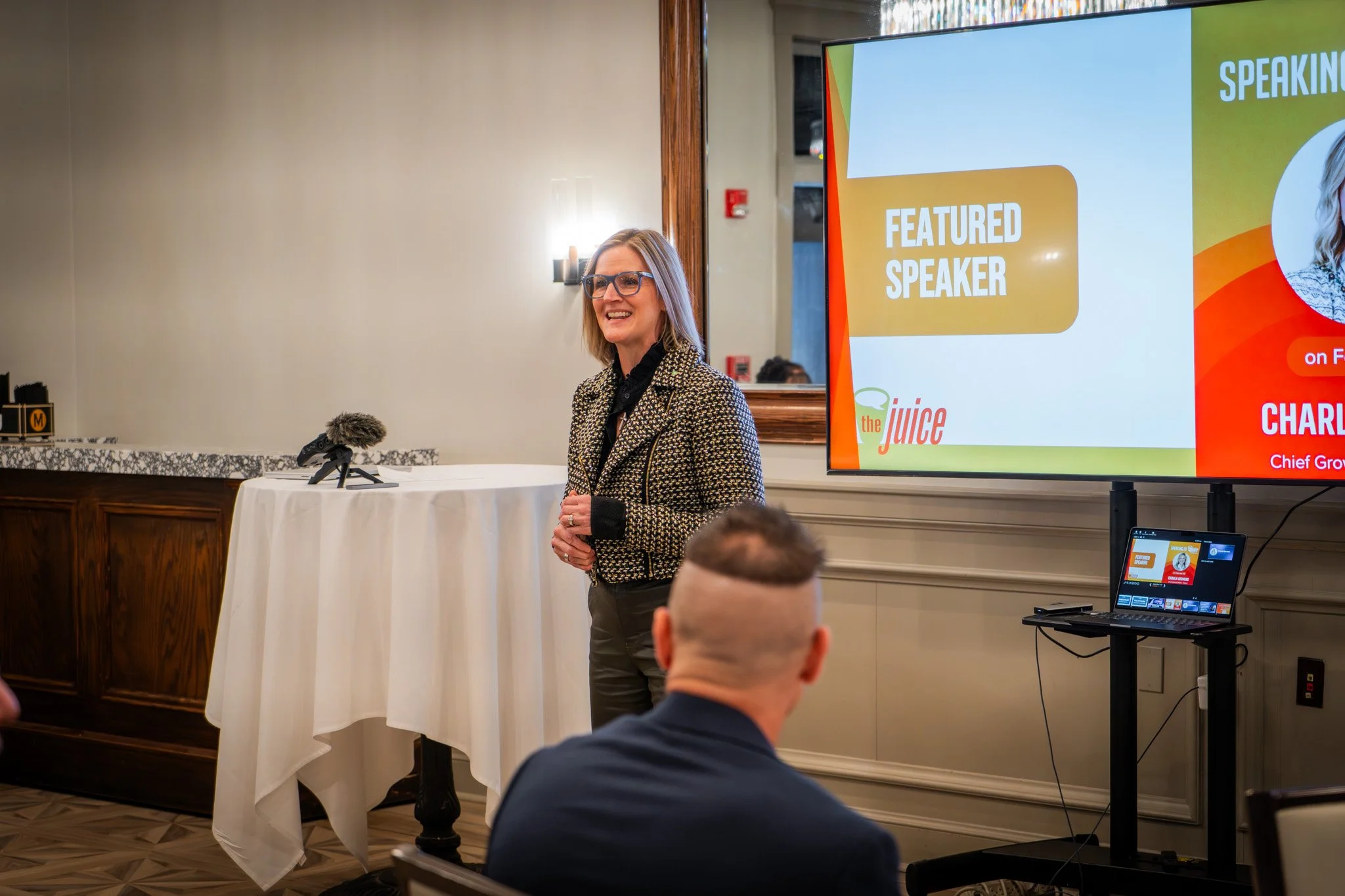
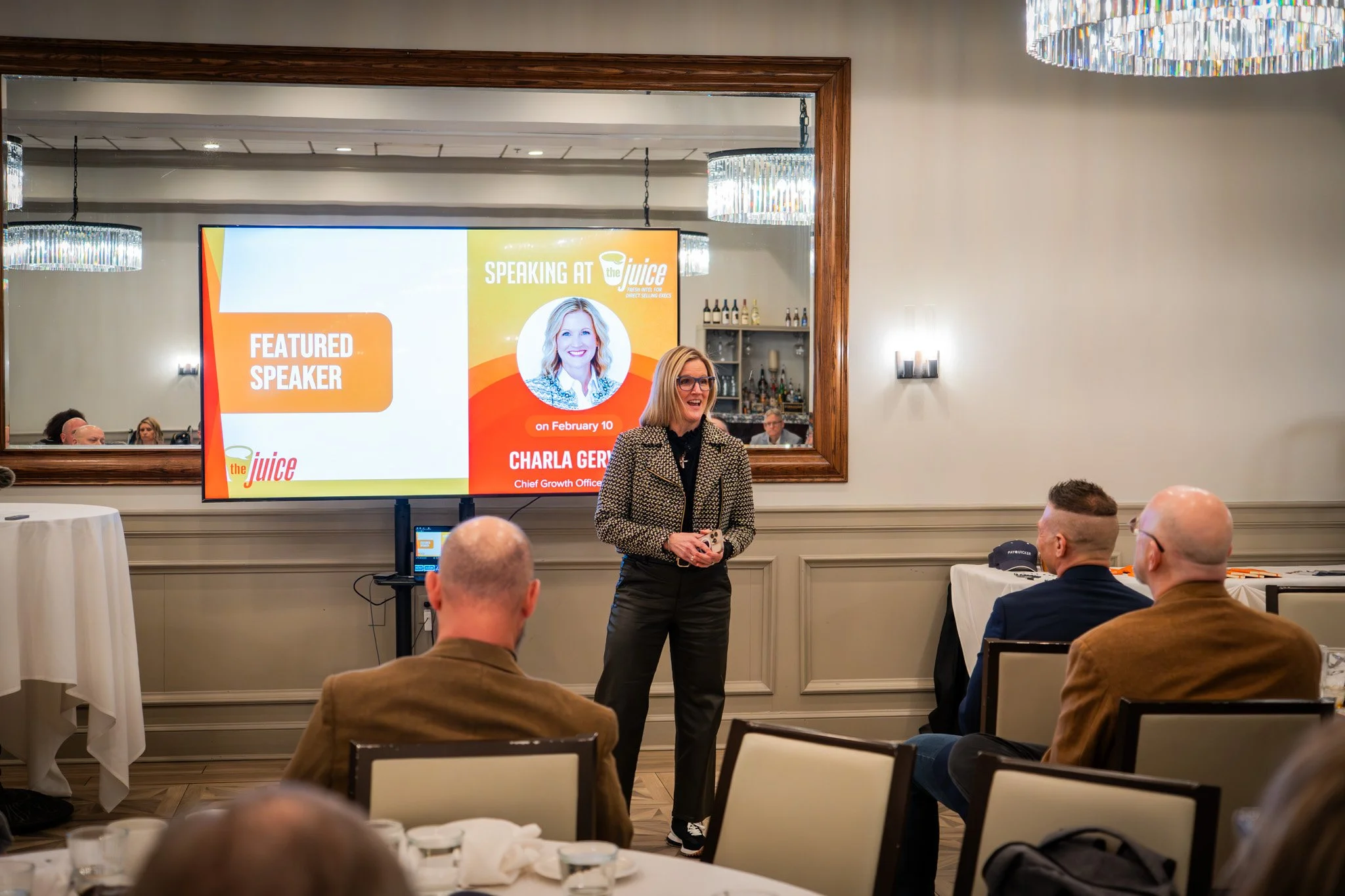
Where Cody focused on the architecture of belief, Charla Gervers from Think+ illustrated how belief ignites when the offer is structurally compelling.
Think+ operates in community solar and whole-home battery systems, a services-driven model that looks very different from traditional product-based direct selling. At first glance, energy infrastructure is hardly the stuff of emotional storytelling. Yet rising AI-driven electricity demand, grid instability and triple-digit premium increases in some regions have created real consumer pain. Into that environment, Think+ has introduced a new approach with guaranteed savings and shared value model that significantly reduces risk for the customer.
When risk decreases and value becomes tangible, belief accelerates. Field leaders are not merely curious. They are motivated to share.
When risk decreases and value becomes tangible, belief accelerates. Field leaders are not merely curious. They are motivated to share.
But Gervers did not present a frictionless growth narrative. Services-based models bring different operational realities: longer residual arcs, lower monthly activity rates and infrastructure capacity constraints that product companies rarely face. Early growth can strain fulfillment and create tension between demand and delivery.
Her comments about wanting “the barber and the soccer mom” to win captured the real leadership challenge. An irresistible offer is powerful, but scalable belief requires everyday participants to experience success, not just legacy leaders with existing networks.
The connection to Cody’s framework was implicit but clear. A strong offer fuels contribution. Infrastructure sustains continuity. Leadership builds connection. Remove one and momentum wobbles.
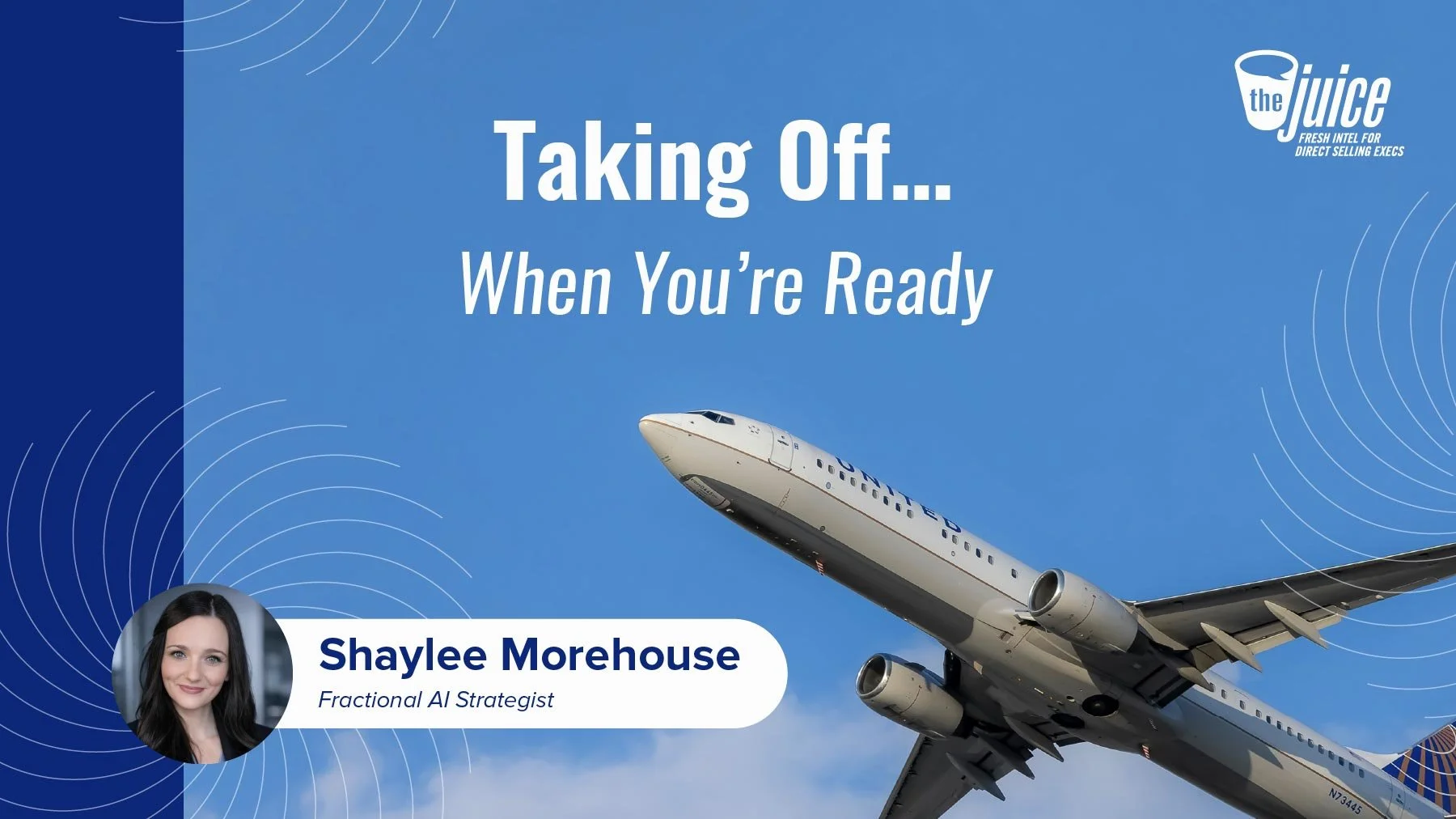
Paul Adams: When Personal Development REALLY Kicks In
Paul Adams, a longtime strategic consultant to direct selling, brought a different kind of credibility to the stage. His story of a double lung transplant and months of rehabilitation could have been inspirational in a sentimental way (and it definitely was). Instead, it became a metaphor for disciplined leadership. Spending an entire career surrounded by some of the best personal development resources and leaders, Paul found himself having to apply decades’ worth of study into his own extremely important situation.
Recovery required relentless attention to fundamentals: learning to stand, walk and breathe again before attempting anything ambitious. There were no shortcuts, no hacks and no dramatic leaps forward. Progress was incremental, measurable and rooted in daily consistency.
Adams translated that experience into business language with clarity. Too many organizations chase surface-level wins while neglecting core systems. He referenced what he calls “Dr. Breaux syndrome,” the body’s tendency under stress to stop nourishing nonessential elements like fingernails and hair. Businesses under pressure should make similar decisions, eliminating vanity metrics and peripheral initiatives to protect what truly drives long-term health.
His reframing of “before and after” into “before and becoming” underscored the point. Sustainable growth is not a transformation moment. It is a disciplined progression.
In a channel often tempted by the next promotion, next tool or next viral tactic, Adams reminded the room that the fundamentals remain undefeated. Daily improvement compounds. Leadership by example matters. The leader must become the person they would choose to follow.
It was less motivational rhetoric and more operational guidance disguised as a life story.
This was the first time for Adams to give this presentation, and trust us when we say this summary comes nowhere close to doing it justice. Should you get the opportunity to hear this story, make it a priority.
Partner Perspectives: Quick Insights from Experts in Direct Selling
Several sponsors support these events (see below), and we’re so thankful for their involvement and investment. Title sponsors have the opportunity to share what we call Partner Perspectives: 10-minute, focused presentations that cover a single topic and share what these experts have the privilege of observing across multiple companies. At theJuice DFW, three Partner Perspectives were delivered. Here’s a quick recap of each.
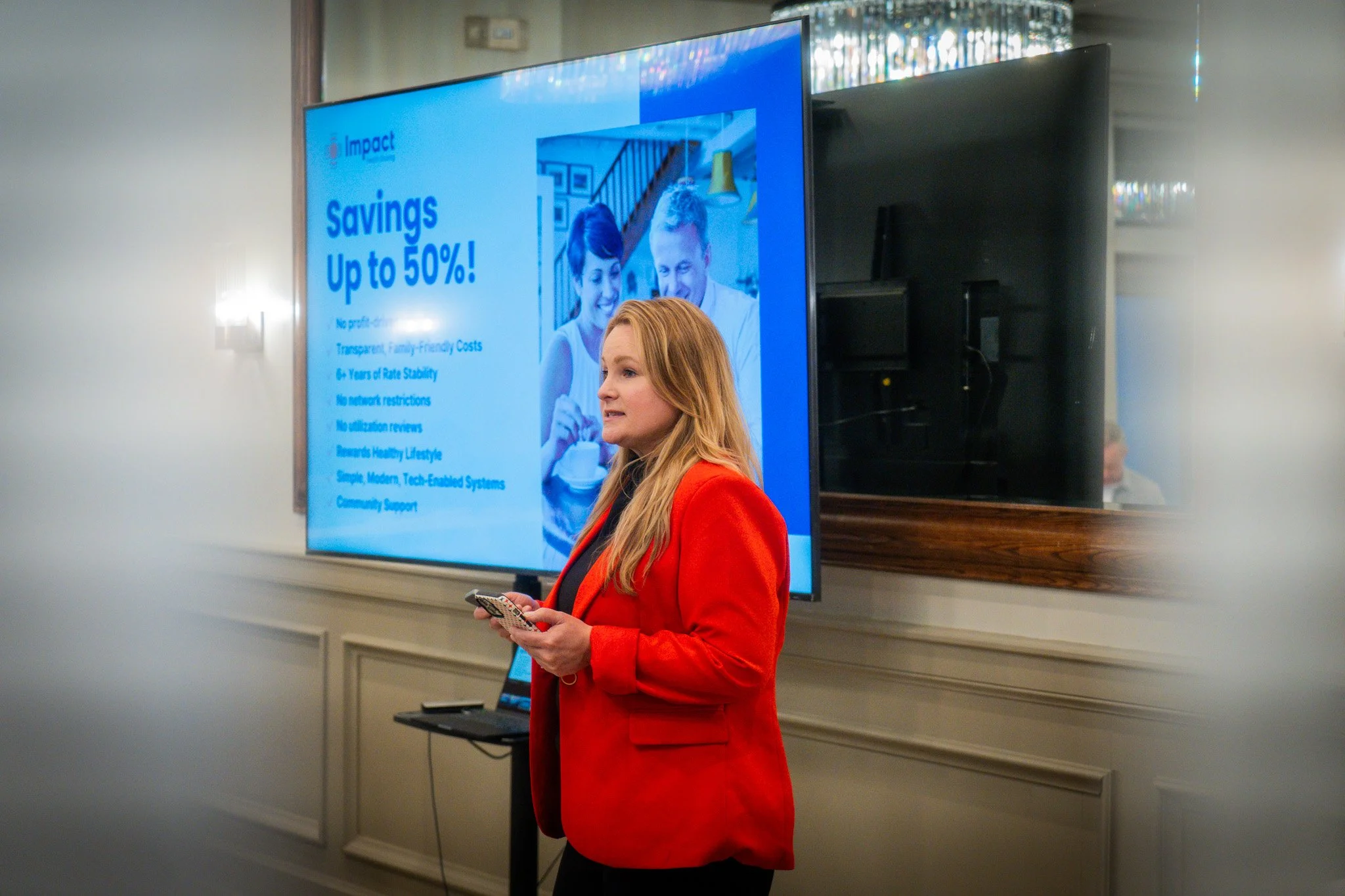
Shelley Rojas of Impact Health Sharing highlighted a pressure point often overlooked in direct selling discussions: healthcare stress among 1099 earners and gig workers. With healthcare now the #1 financial stressor for American adults and medical debt common, financial anxiety can undermine entrepreneurial confidence. By offering a modern, affordable and transparent healthcare sharing model, direct selling organizations can help reduce this often-silent stressor that impacts distributor engagement. In this way, healthcare shifts from being a burden to a stabilizer of confidence, belief, and loyalty. To learn more about how your company can share this program at no cost and with no additional overhead, contact Shelley to schedule a call.
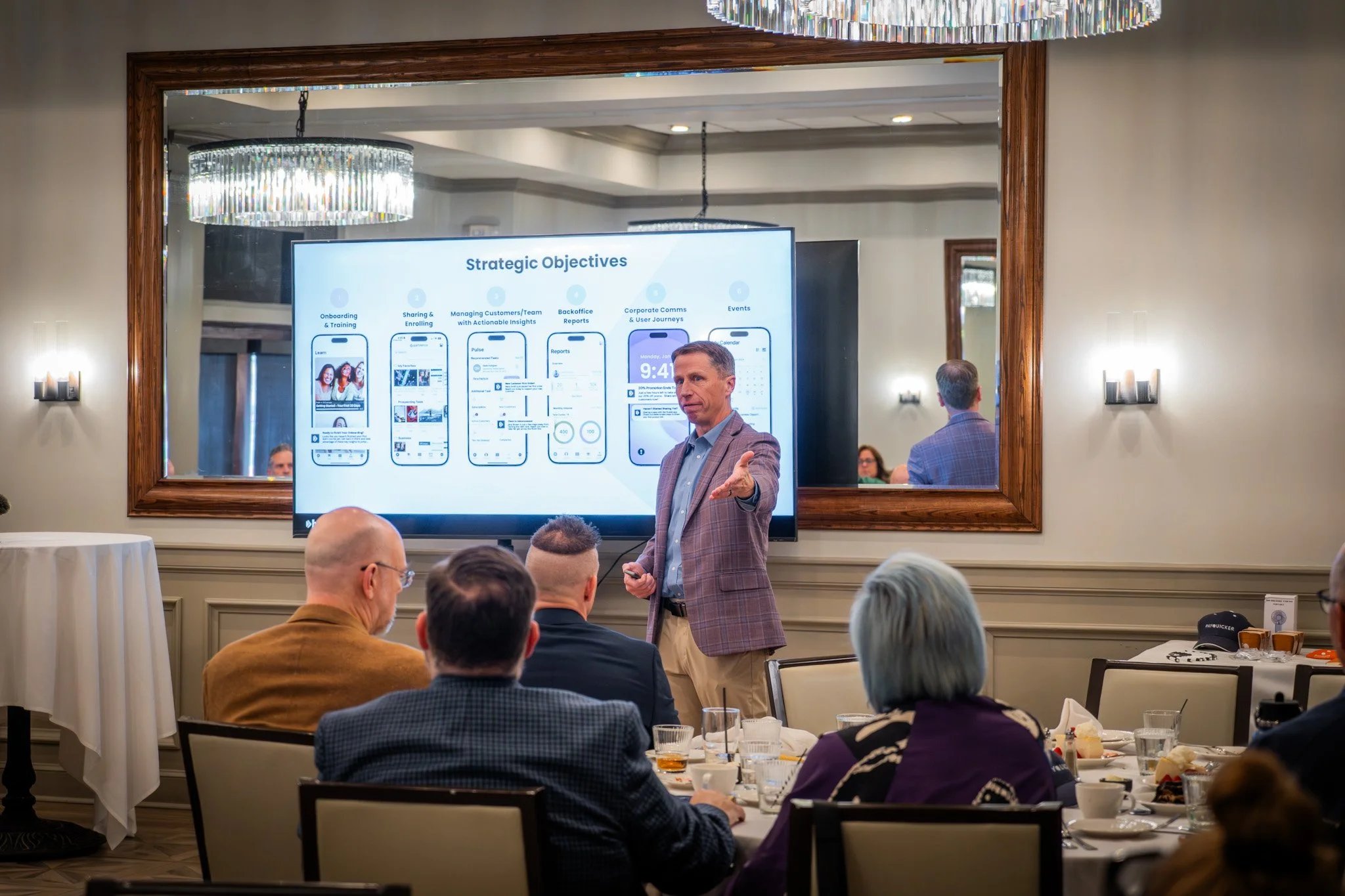
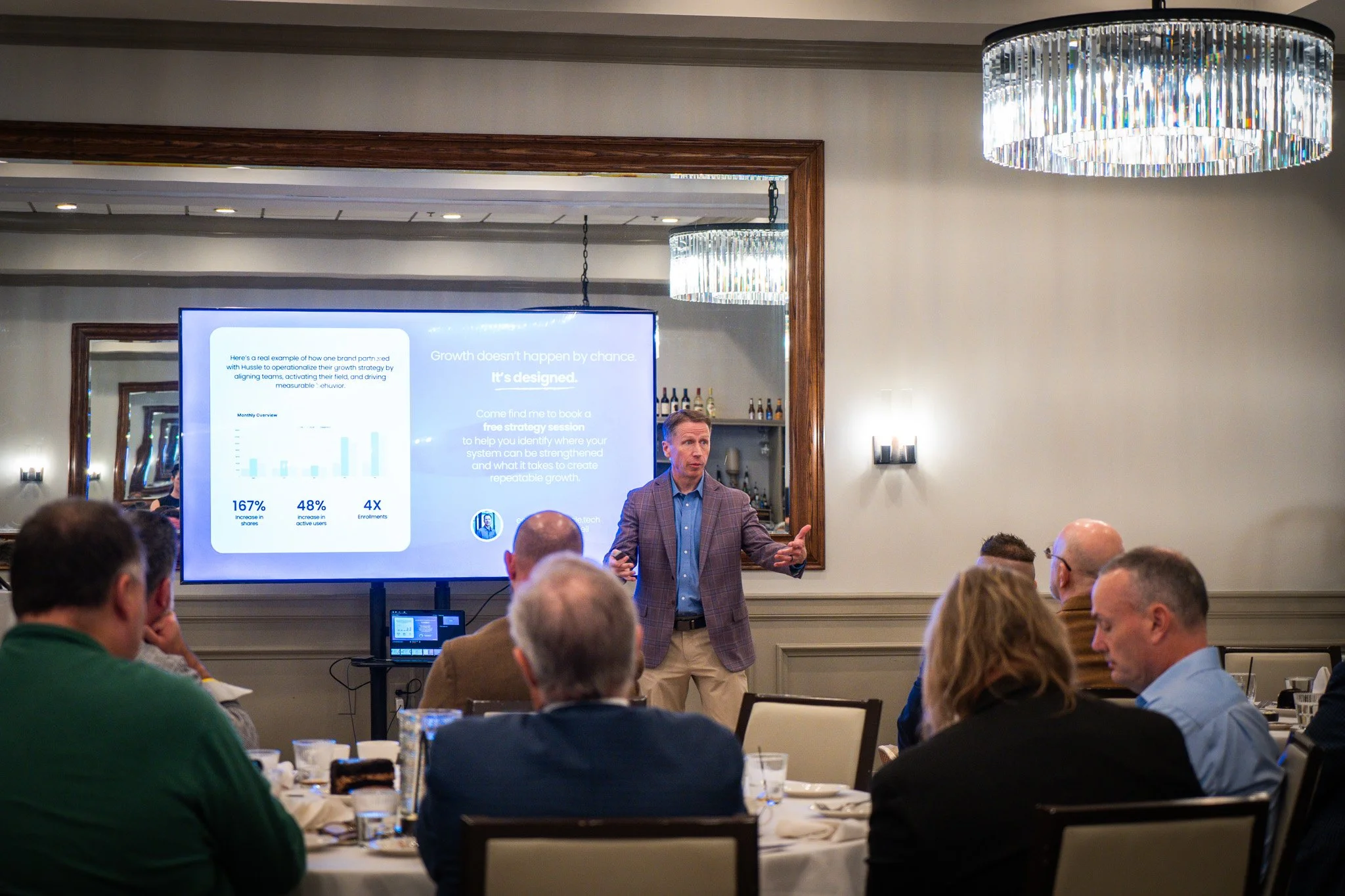
JJ Oswald of Hustle Technology turned the spotlight to sales enablement. His framework emphasized that tools fail less from poor design and more from poor integration. Adoption requires listening to field pain points, aligning internal departments and building champions who model consistent use. Technology is not a growth strategy by itself. It is a support system that must reinforce connection, contribution and continuity. Reach out to JJ to learn more and for a complimentary content strategy discussion.
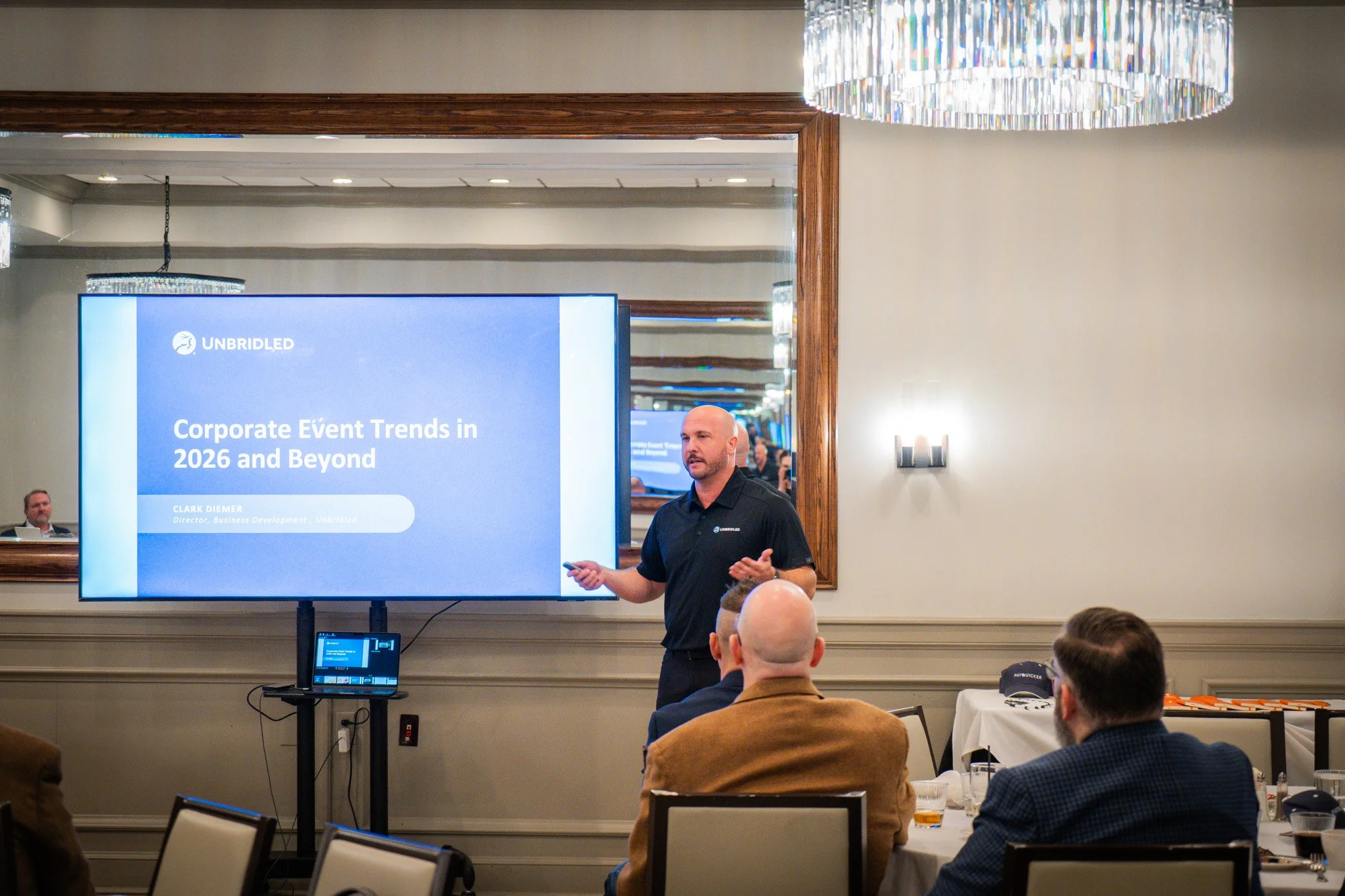
Clark Diemer of Unbridled broadened the lens to events, sharing the findings of a 60+ page ebook his company recently published on the state of events and, more importantly, the state of solitude in our world today. In an increasingly isolated digital culture, particularly among Gen Z, content alone does not create loyalty. Belonging does. Direct selling has historically excelled at building community through recognition and shared experiences. The opportunity now is to design events intentionally for depth of connection rather than sheer scale. In a world saturated with information, human interaction remains differentiating. Reach out to Clark for your complimentary copy of this ebook.
The Larger Pattern Emerging in DFW
Taken together, the DFW conversations revealed a channel wrestling with maturity. The easy growth seasons for many companies are gone. The path forward must be defined by intention, focus and discipline. Meanwhile, the obstacles and outside forces aren’t going anywhere. Regulatory scrutiny is sharper. Capital expectations are clearer. Field leaders, and field prospects, are more skeptical. Consumers are more cautious, and more demanding. And technology has no problem keeping us guessing at every turn.
Under those conditions, shortcuts become tempting.
But the recurring message in DFW was that durability comes from returning to core principles with greater intentionality.
Measure belief instead of assuming it.
Engineer offers that genuinely reduce risk and increase value (rather than just fill a promotional calendar).
Rethink the fundamentals in a new environment.
Invest in infrastructure that supports people, not just transactions.
Design experiences that foster belonging in an increasingly disconnected world.
Direct selling does not lack tools. It does not lack creativity. It does not lack opportunity. What it cannot afford to lack is disciplined stewardship of belief.
If theJuice DFW signaled anything, it is this: the model still works. But it works best when leaders treat belief as the asset it is, build systems that sustain it and refuse to neglect the fundamentals that make it resilient.
That is not revolutionary. It is responsible.
And right now, responsible leadership may be the most disruptive move available.
Direct selling does not lack tools. It does not lack creativity. It does not lack opportunity. What it cannot afford to lack is disciplined stewardship of belief.
Other Articles You May Enjoy