theJuice DFW recap
November 10, 2026 | Plano, Texas
A 90-year-old vacuum company had something to teach modern network marketers about training. A legacy wellness brand was learning that a great history doesn’t automatically give you a compelling reason to buy today. And a chief operating officer was cleaning up years of technology baggage with help from a colleague named Claude.
Claude, as it turns out, had a pretty productive year.
At theJuice DFW on November 10 at Maggiano’s in Plano, the conversation kept coming back to the distance between what we promise people and what they experience. We promise opportunity. Do we teach the skills to pursue it? We promise support. Do our tools make selling easier? We promise a brand worth sharing. Can a new customer understand why it matters?
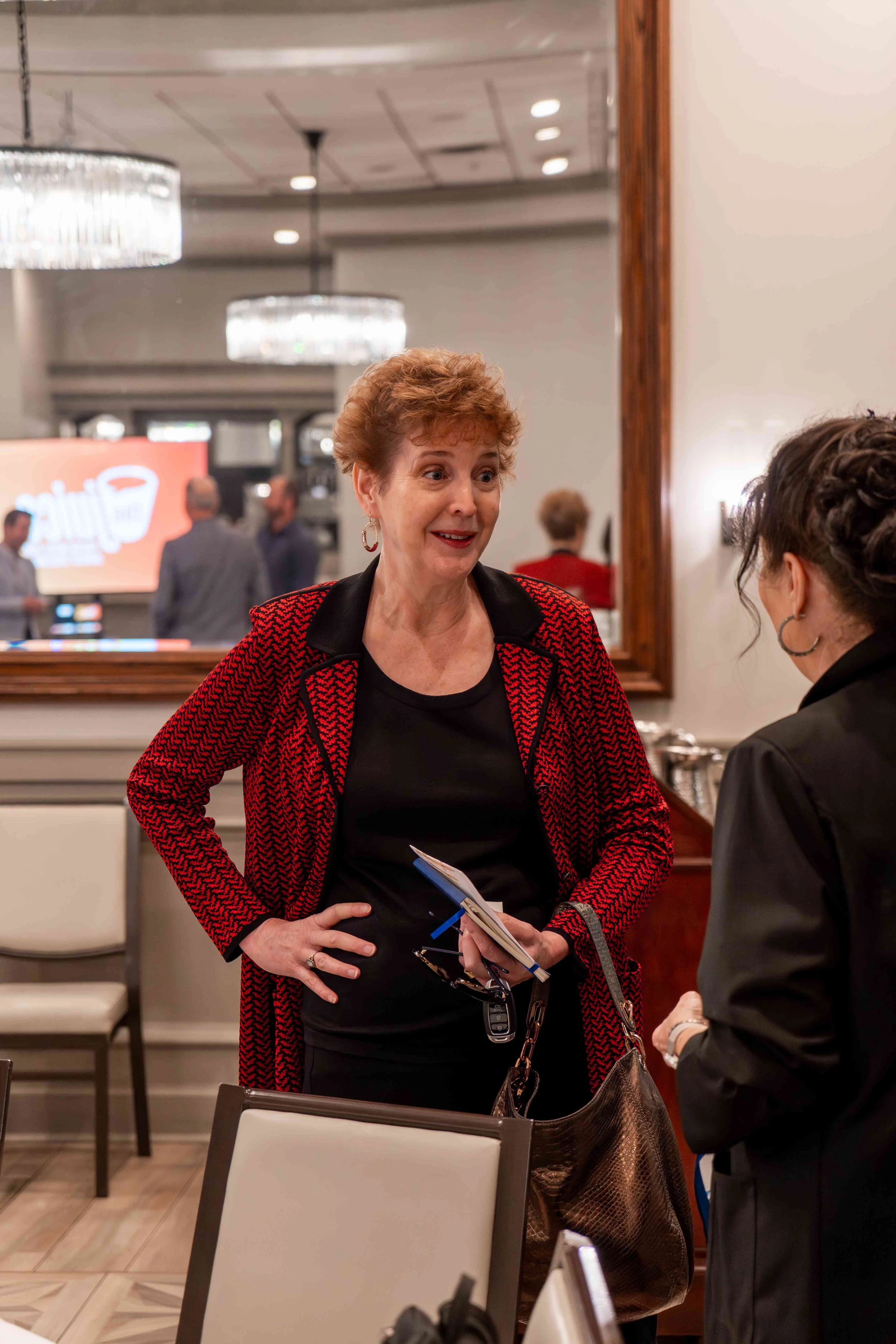
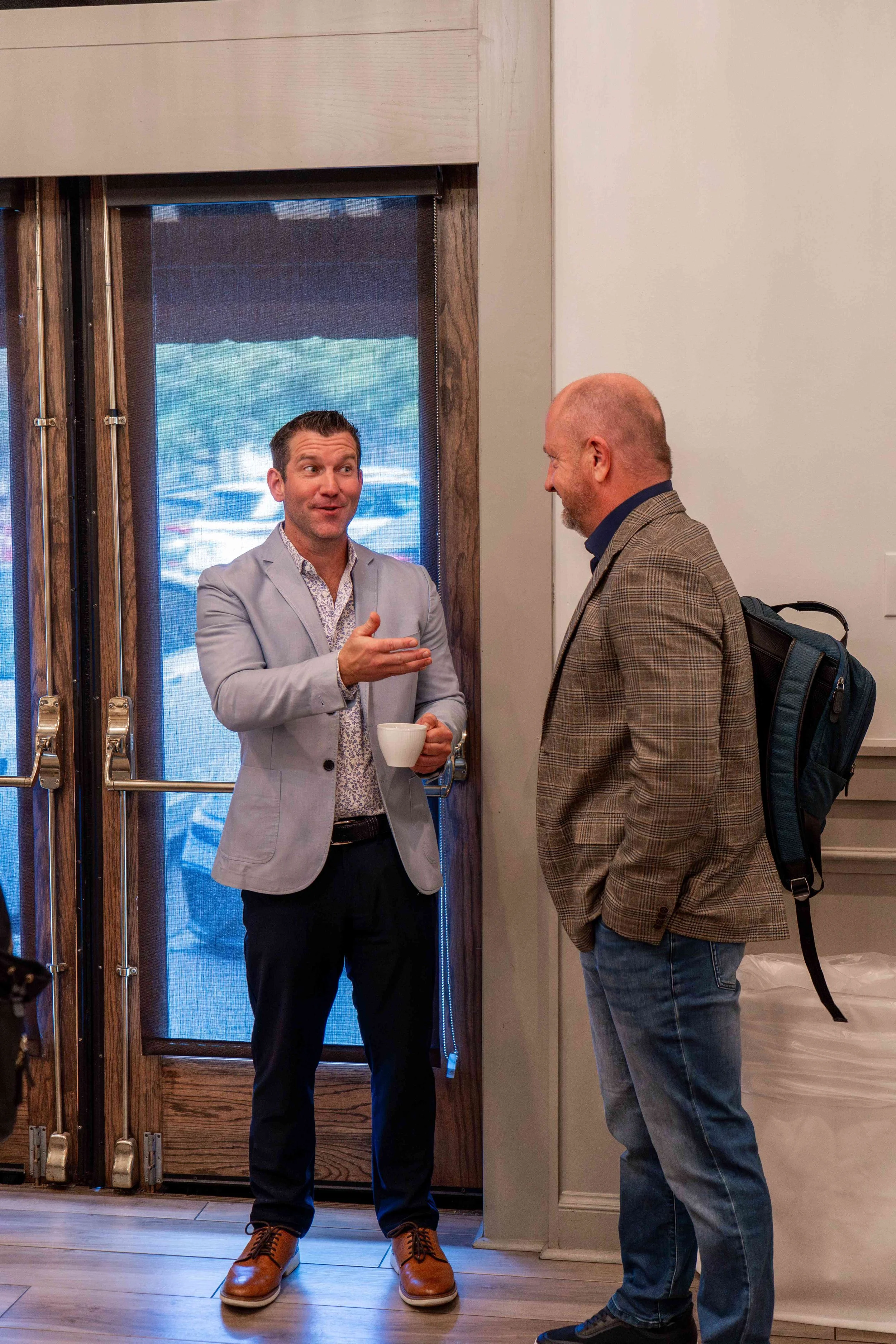
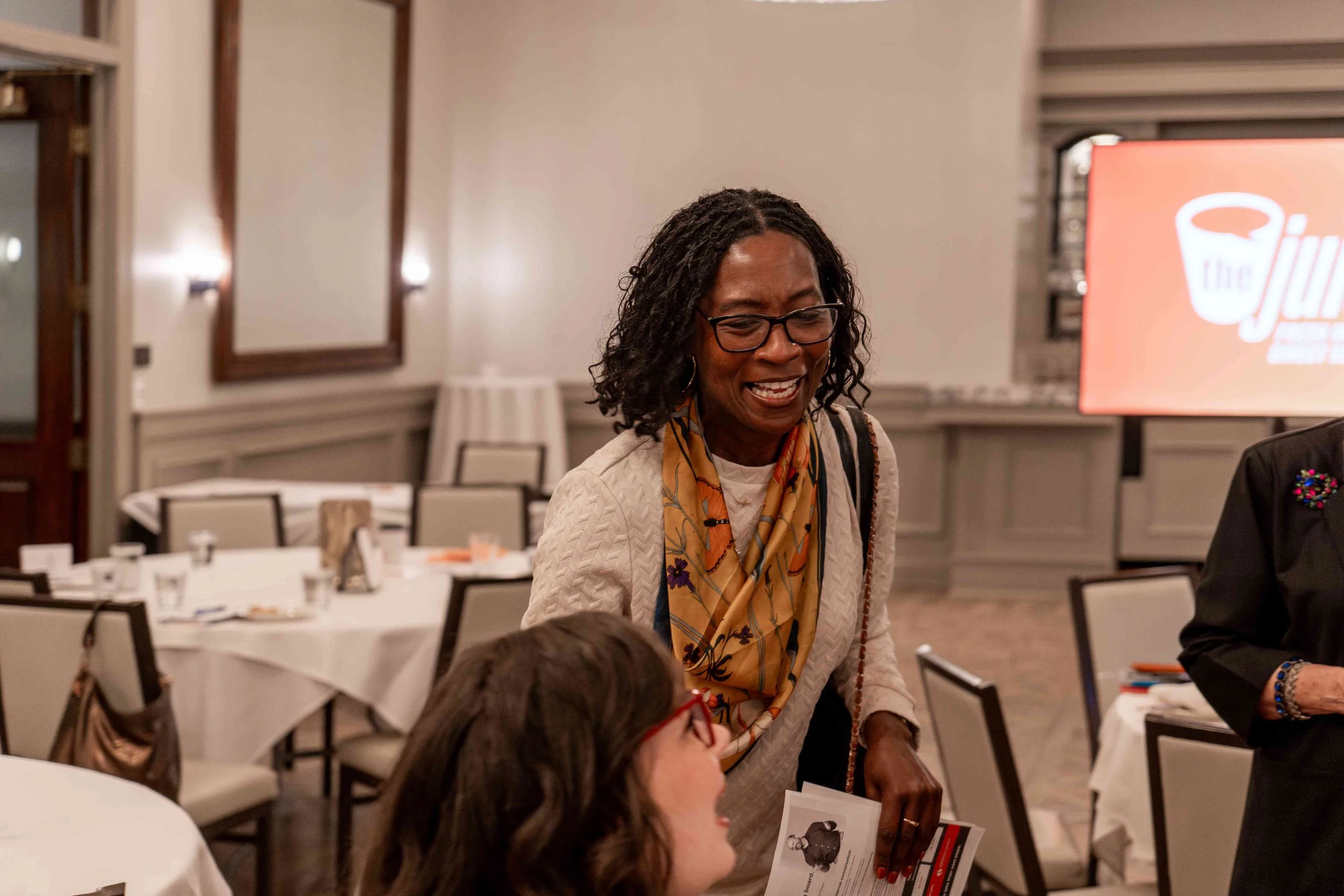
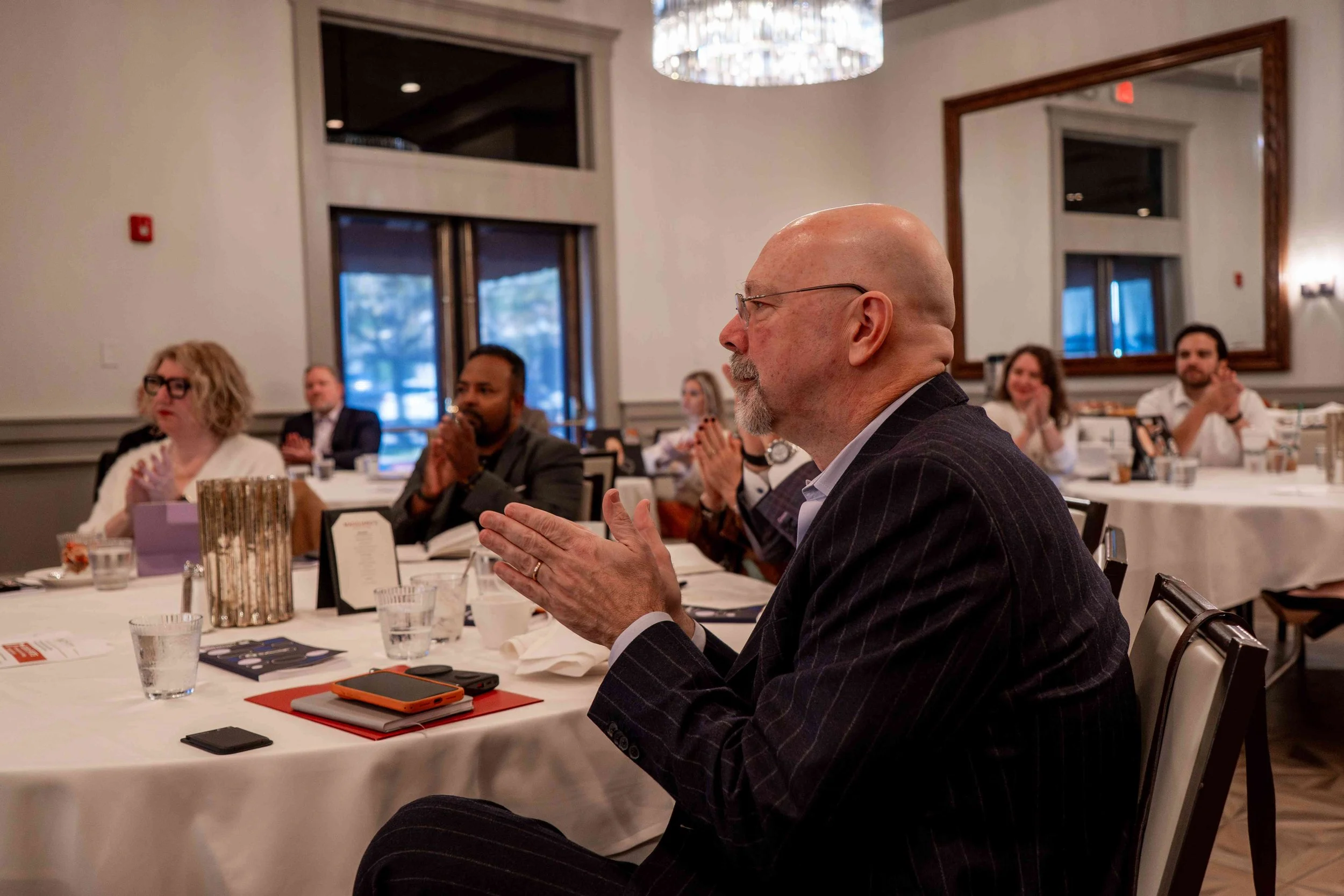

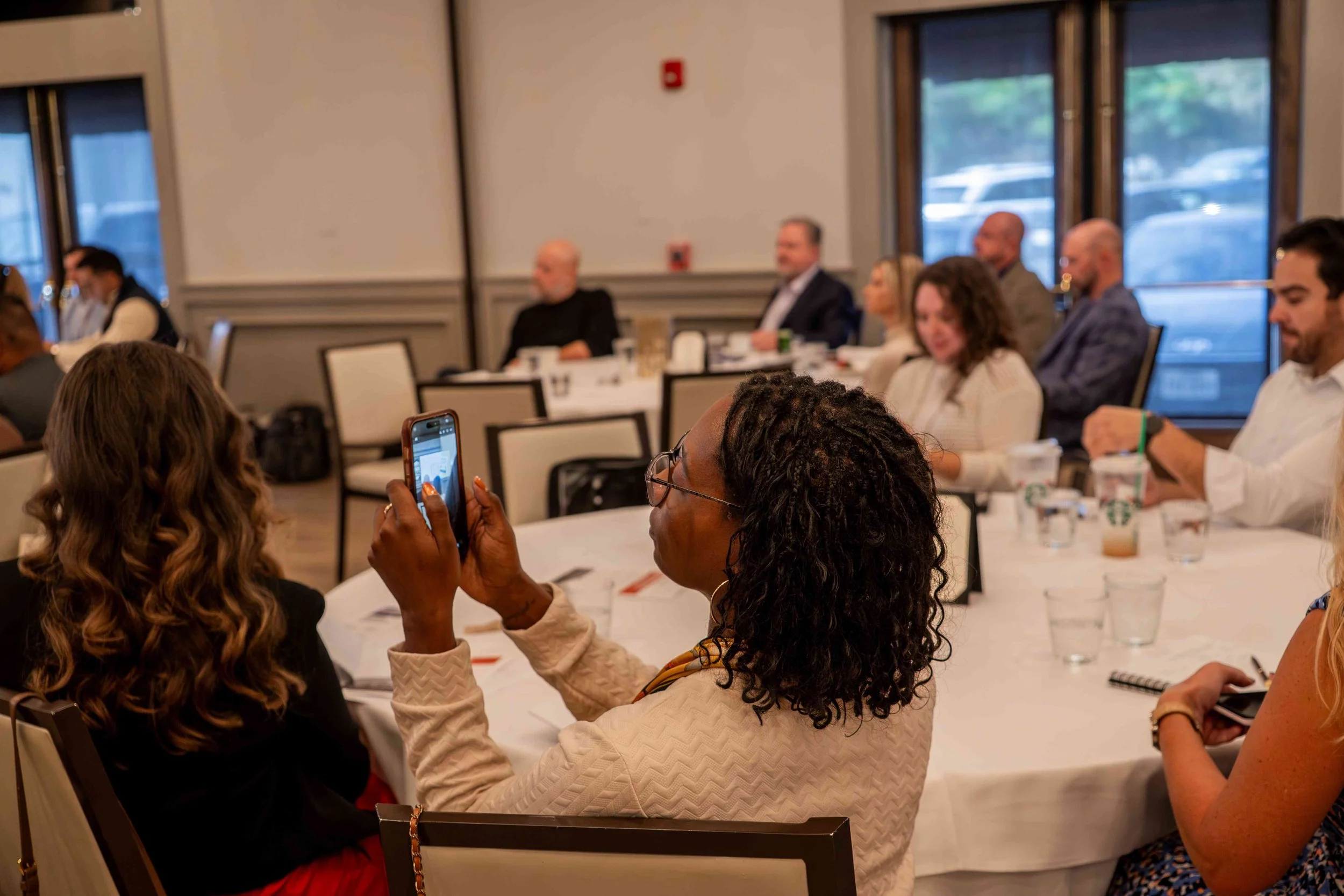
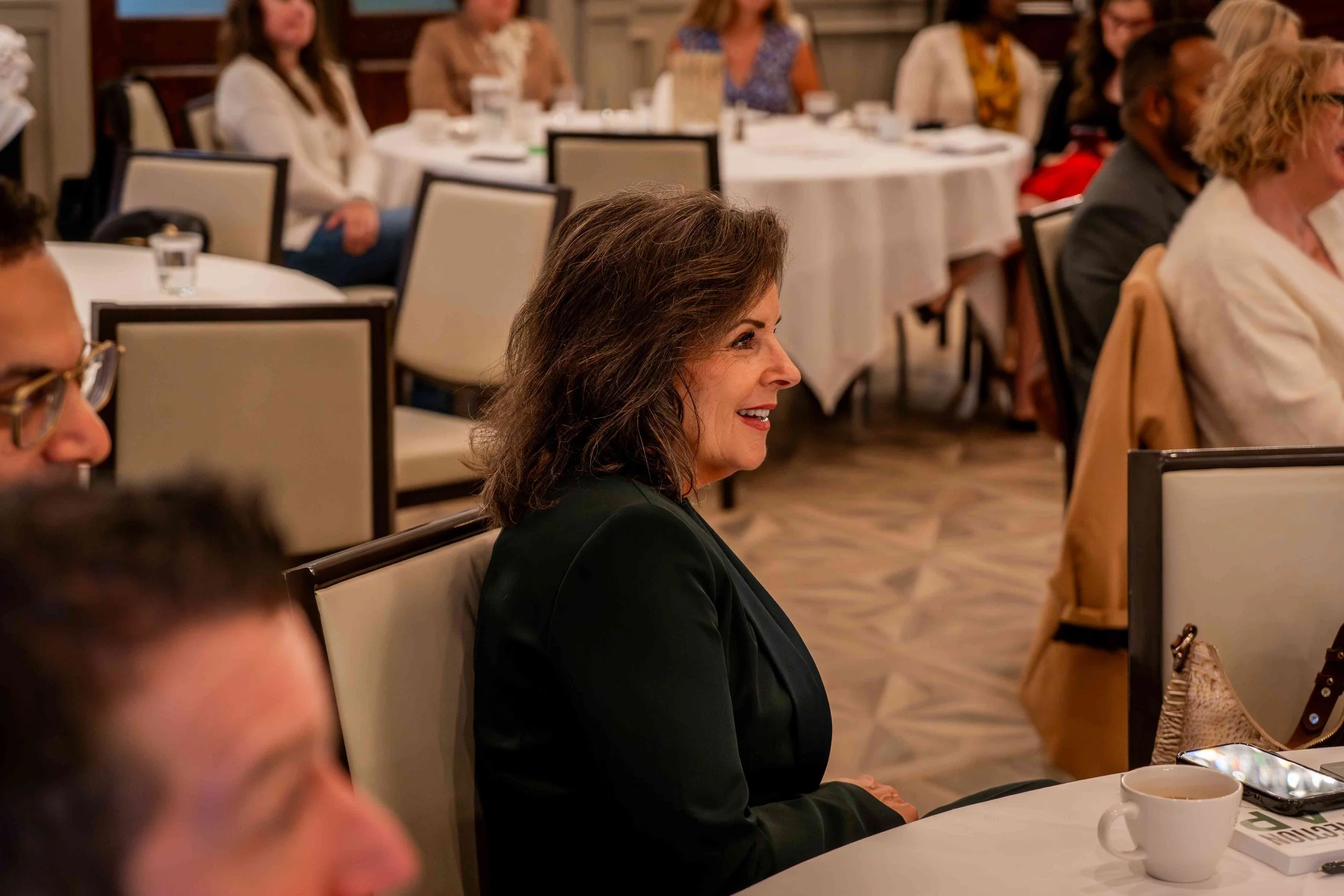
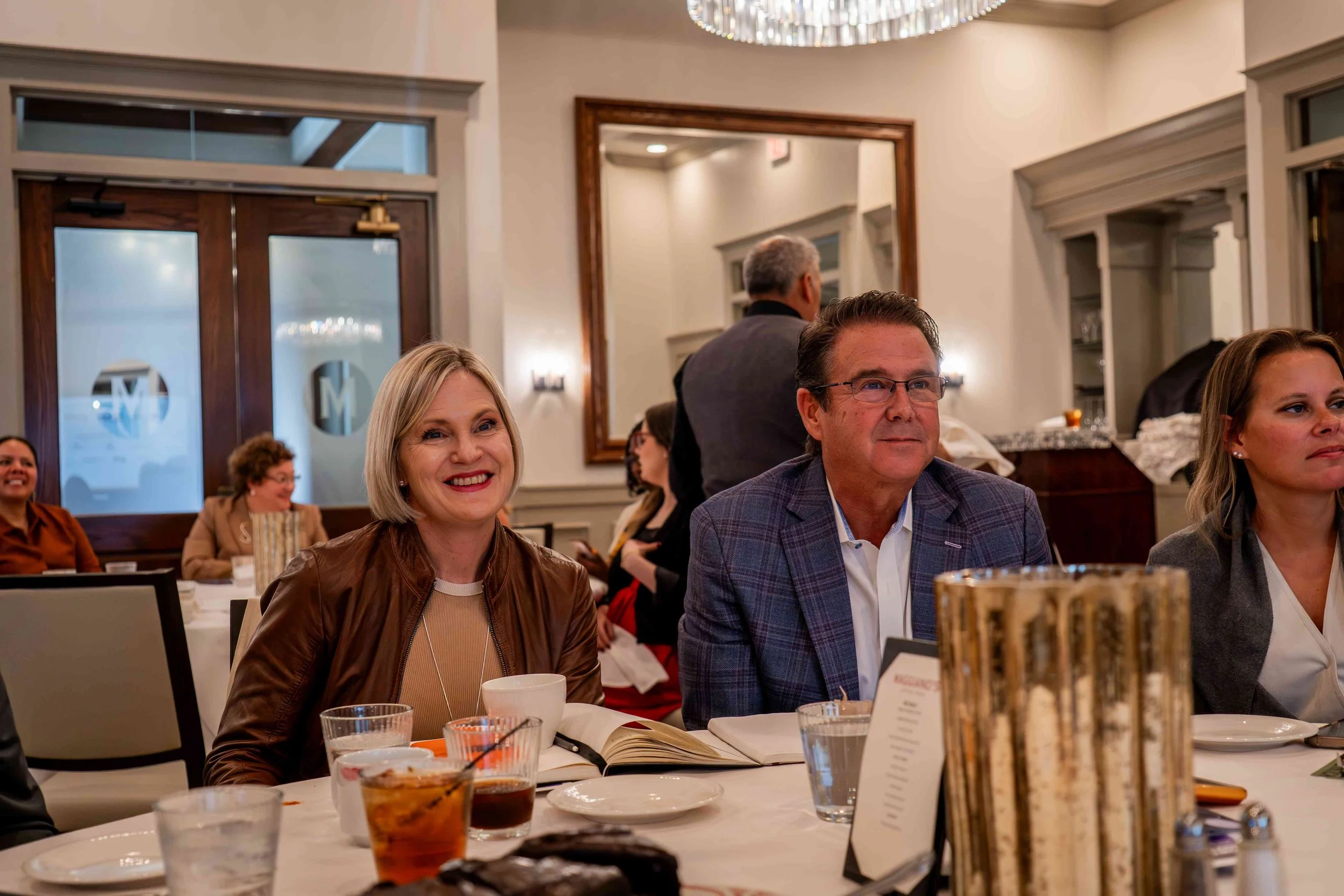
The answers came with real examples, candid admissions and the occasional well-placed jab at how we’ve always done things.
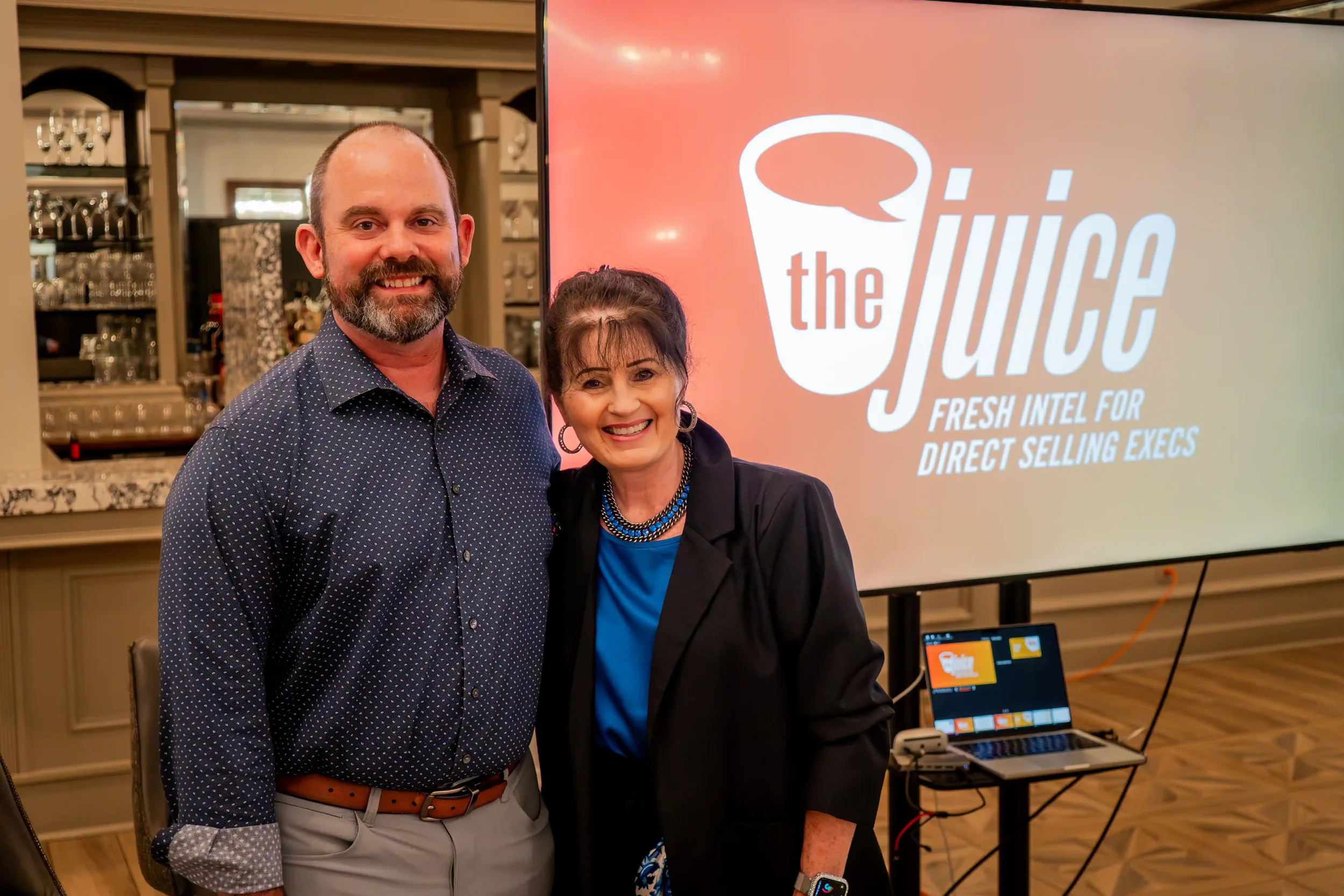
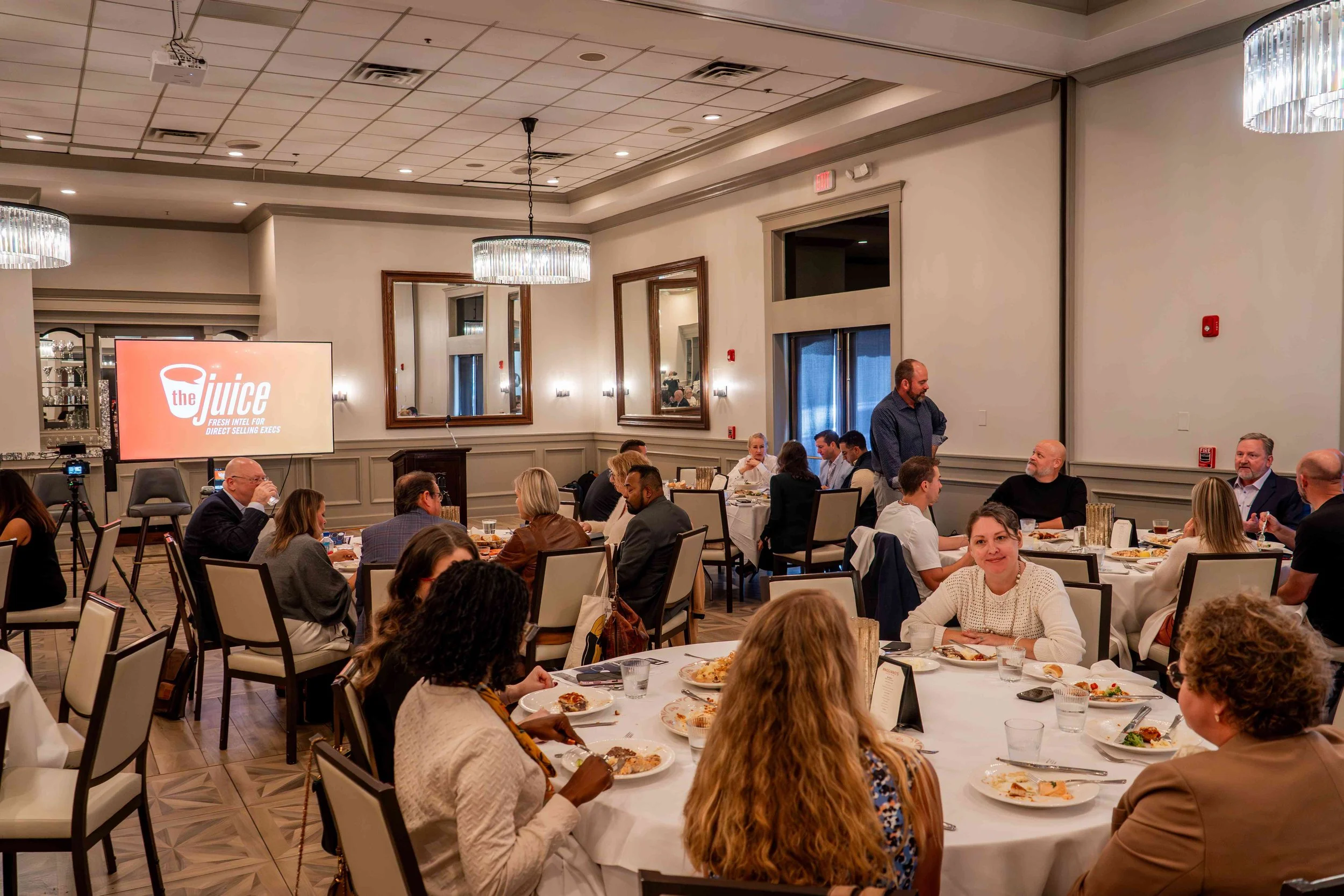
Hosted by Brett Duncan and Kate Gardner, the day gave direct selling executives plenty to discuss over lunch and considerably more to take back to work.
Meredith Berkich on the leadership people actually experience
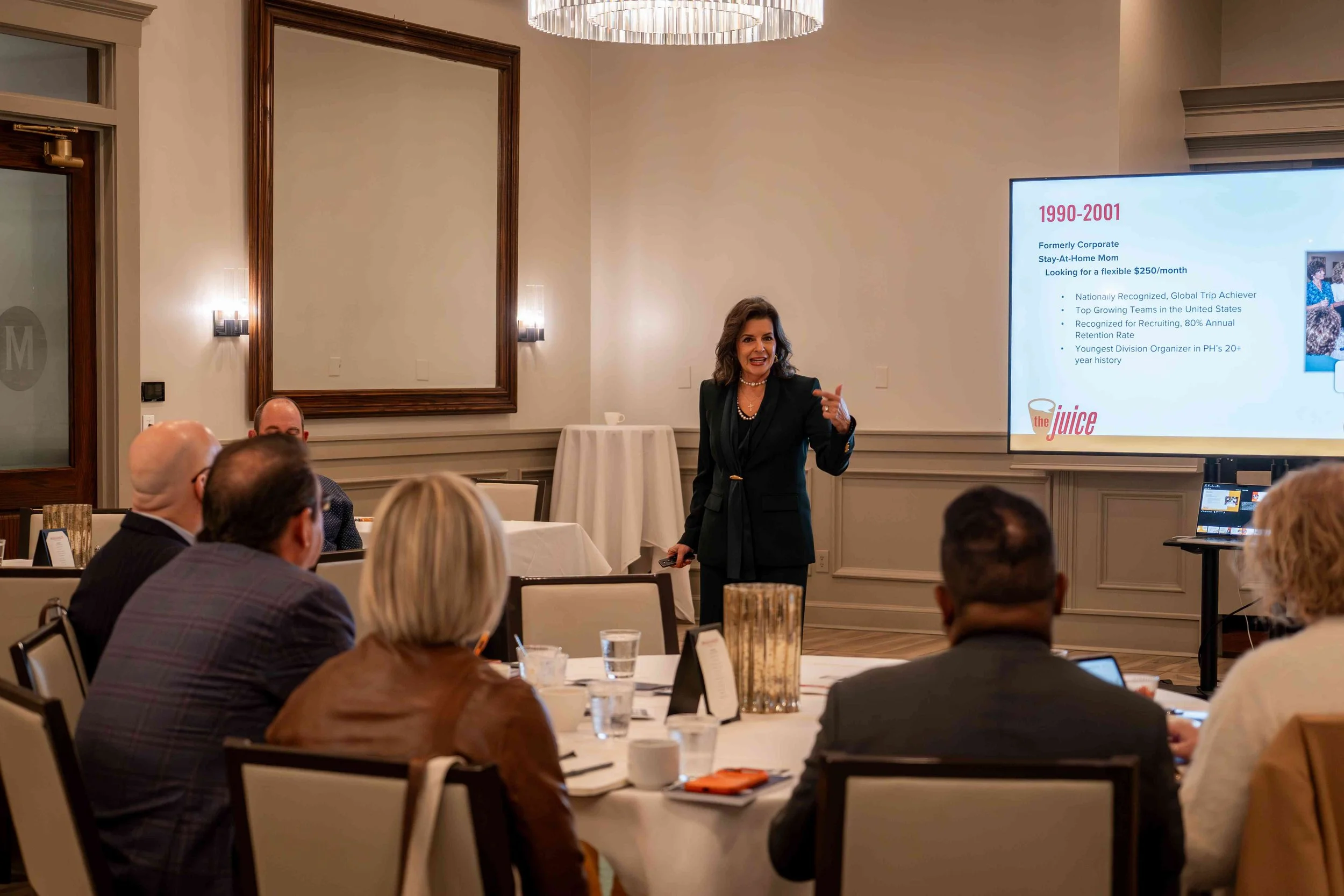
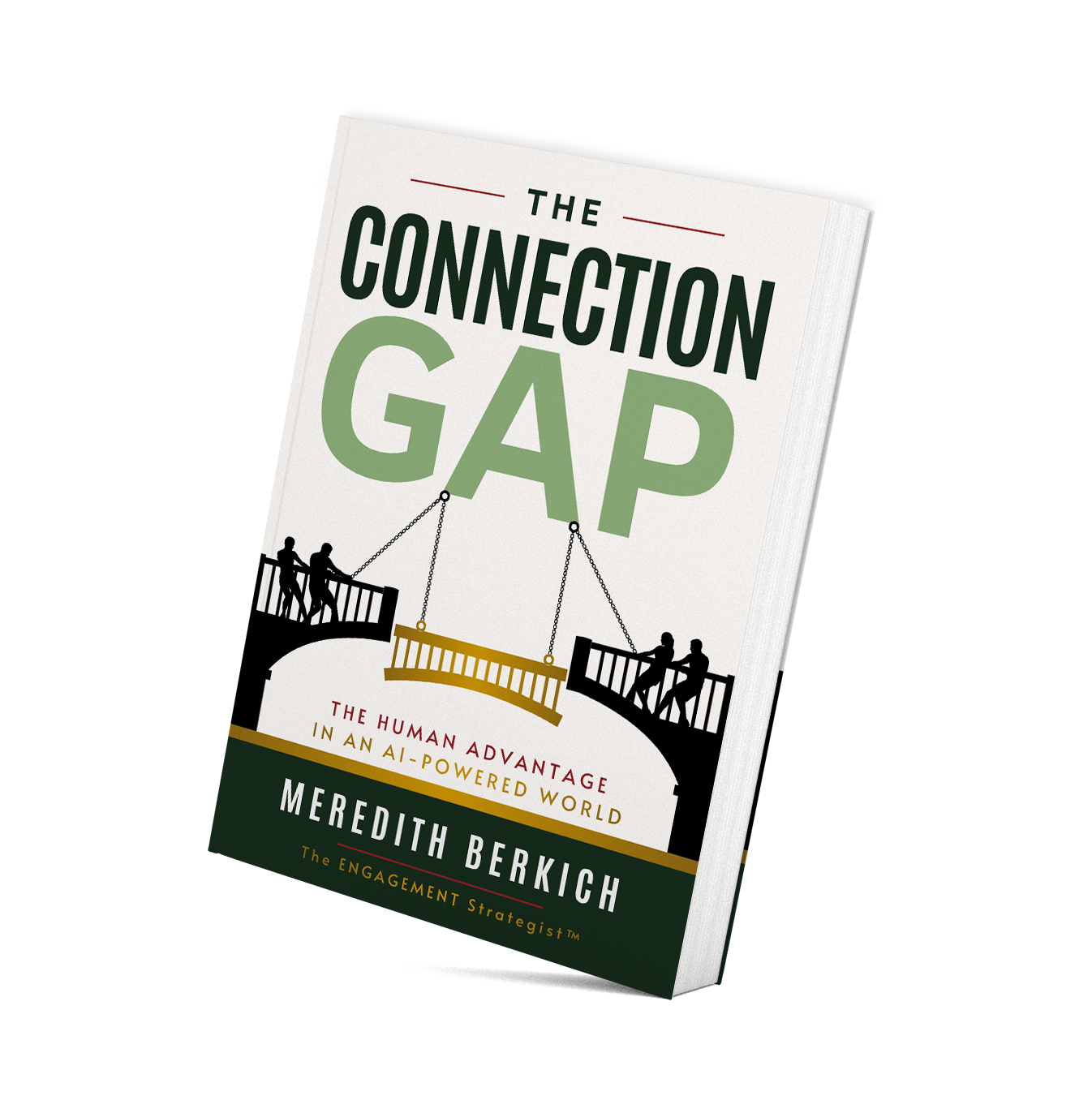
Meredith Berkich, The ENGAGEMENT Strategist™ and a colleague at Strategic Choice Partners, opened with a story about a black marker.
As a field leader, she used one to cross out the corporate phone number in materials she gave her team. She told them they didn’t need corporate because their team would take care of them. Behind that reassuring explanation was a less flattering reality: calling the company could leave people so discouraged that they quit.
That is quite a customer service metric. Your field is may be actively protecting new people from meeting you.
When Jim Northrop took over the company, he brought five growing field leaders to headquarters and asked why they were growing when others weren’t. Meredith was among them. He listened to what was working and what was getting in the way, then acted on what he heard. Their relationship eventually became a mentorship that shaped her corporate career.
The story grounded her preview of The Connection Gap, her forthcoming book. Her ENGAGEMENT framework moves through three phases: connecting, engaging and performing. Leaders begin by understanding people, investing in them and grounding them in shared belief. They align direction, guide through their presence and help people navigate change. Then they focus the organization, execute and grow a network where belonging can extend along with the business. Trust is earned through those practices over time.
Meredith made the cost of getting this wrong tangible. In one role, she spent a month developing an idea an owner had praised, only to discover he didn’t think the timing was right. His encouragement sounded like approval. Her enthusiasm became wasted capacity. A clear conversation would have saved both.
Take it back to work. Find the people still growing and ask what they’re doing. Give them room to explain the obstacles, too. Before launching your next initiative, make sure the people responsible for it agree on the priority, timing and support available. And ask whether your everyday behavior gives the field a reason to believe the announcement.
Deborah Heisz on making good on the opportunity

Deborah Heisz brought an unusual vantage point: a move from leading Neora to leading Rexair, the company behind Rainbow cleaning systems. After a decade in a relatively young business, she had stepped into a company with 90 years of history and a very different operating model.
At Rexair, distributors run businesses with inventory, overhead and responsibilities that can include employees and product service. Dealers conduct demonstrations in customers’ homes. A durable product means the next sale generally requires another household. A subscription renewal won’t be arriving to rescue the month.
Deborah described two growth engines that have to develop together: people and customer opportunity. Recruit and train more sellers without enough leads, and they struggle to produce. Generate leads without enough trained sellers in the right places, and interested customers go unanswered.
That balance matters beyond the world of high-ticket products. Corporate can celebrate either side of the equation while the other side quietly limits growth.
Her strongest challenge concerned training. Sending someone into a stranger’s home forces a company to teach specific skills: how to build rapport, demonstrate the product, explain value, handle objections, ask for the sale and follow up. Modern direct selling asks people to do many of those same things, but can treat enthusiasm, a link and access to a video library as adequate preparation.
A video library is very easy to count. Capability takes more work to develop.
Deborah outlined the work: instruction, demonstration, practice, observation, coaching, feedback, repetition and mastery. Leaders need to learn how to teach, too. Being able to sell doesn’t automatically make someone able to develop a salesperson.
She connected that training discipline to the promise a company makes. People evaluate success against the outcome they joined to achieve. Someone seeking supplemental income may have little interest in a distant top rank. They need a credible path to a useful result, with an honest understanding of the effort, skill and uncertainty involved.
Deborah saw room for learning in both directions. Traditional direct sales brings discipline around selling and lead generation. Modern network marketing brings strengths in belonging, recognition, events, storytelling and communication. Neither side has exhausted what it can learn from the other.
Take it back to work. Follow a new seller through the first meaningful sales task. Can they demonstrate the skill, or have they only watched someone explain it? Build practice and feedback into onboarding, teach leaders how to coach and check whether the available customer opportunities can support the activity you’re asking people to undertake.
Ali Hollander on earning relevance all over again
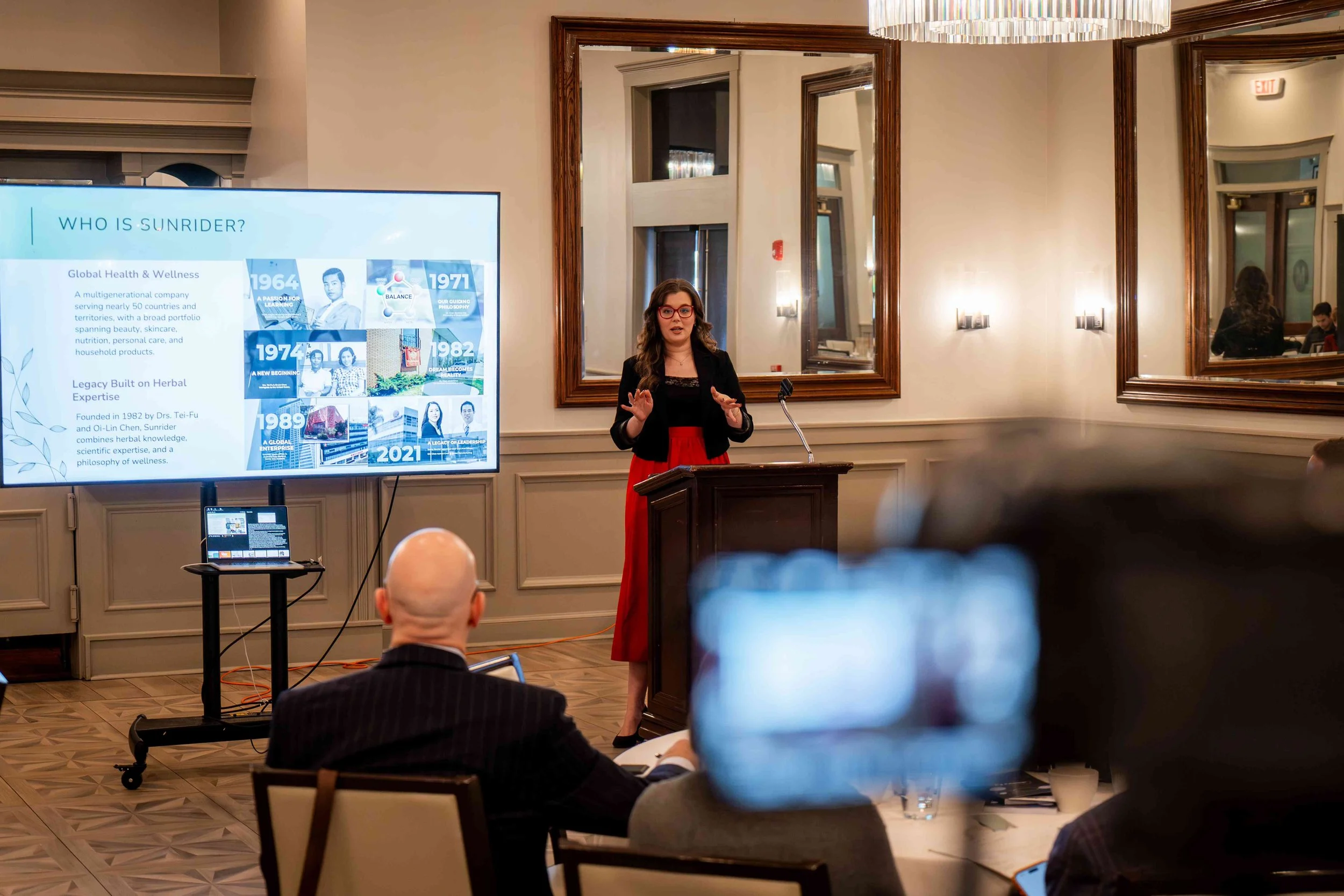
Ali Hollander of Sunrider tackled a familiar assignment with some unfamiliar candor: modernize a longstanding brand while keeping the people who love it on board.
Her early projects included brands bearing the owners’ names. A relaxed, low-pressure way to begin a marketing career, obviously!
Sunrider’s challenge included a broad portfolio, hundreds of SKUs and dozens of markets. Great products and a meaningful founder story gave the team something substantial to work with. They also had to make the assortment easier to understand and its value relevant to someone encountering the company for the first time.
Ali’s distinction was useful: history provides credibility, but relevance has to be earned. A story that matters deeply to a longtime distributor may mean very little to a shopper trying to solve a specific problem today.
Her team uses four questions to brief the work: Who is the priority consumer? What need are we addressing? Why us? Why now? People touching a project should be able to answer each succinctly. If they can’t, the confusion will turn up in the copy, photography, education or sales conversation later.
She showed how that discipline informed a reformulated facial scrub. Production problems created a reason to change a product the field loved. Before development, marketing gathered input from sales and training about what people valued and what questions a reformulation would raise. That helped inform what the team preserved and what it changed.
The launch then needed two communication paths. Existing distributors and customers needed to understand why the product changed and how to explain it. New customers needed a compelling introduction to its value. They didn’t need to sit through the family meeting first.
Another example involved a product line whose formulas stayed the same while packaging and positioning evolved. Visual consistency helped, but the larger task was clarifying benefits and creating a coherent shopping experience. New packaging has a difficult time paying for itself if customers still can’t work out what to buy.
Ali also explained where AI fits into the marketing workflow. Her team starts with a business question and approved source material, uses AI to explore possibilities, and brings human judgment back to the decision. Product facts, approved claims and brand principles provide a stable foundation while expression and education can evolve.
Her closing point deserved a place in every rebranding brief: making a brand look trendy is a short-lived achievement. Helping people understand its relevant value gives the investment a longer useful life.
Take it back to work. Apply Ali’s four questions to one product your team knows exceptionally well. Have people answer independently and compare the results. For your next change, develop separate explanations for the loyal customer and the person who has never heard of you. Budget for the internal time the work consumes, too.
The Texas Direct Selling Coalition on making friends before you need them
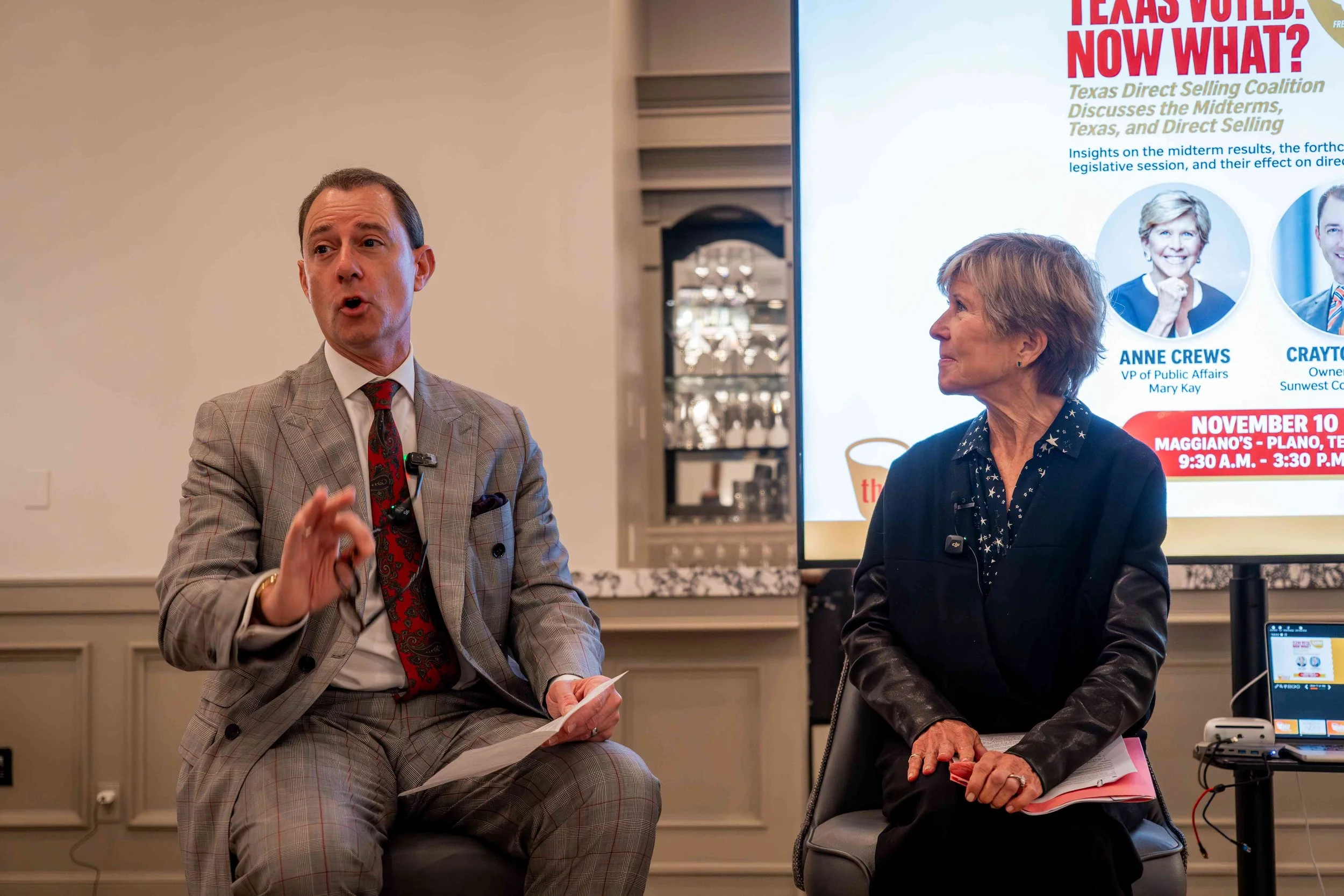
Anne Crews of Mary Kay and Crayton Webb of Sunwest Communications brought a timely post-election perspective on Texas politics. Their most useful message for direct selling executives had less to do with who won than what companies should do next: get to know the people making decisions that affect your business.
Preferably before you need them to fix something.
Representing the Texas Direct Selling Coalition, Anne and Crayton described the coalition as a collective voice for the industry and its eyes and ears on policy issues. Companies share an interest in helping lawmakers understand their products, entrepreneurship opportunities and economic contributions. Bringing those voices together gives the channel a stronger presence than leaving each company to introduce itself separately.
The midterms offered a reason to renew that work. New officeholders bring new staff, priorities and relationships to develop. Returning lawmakers still need to understand the businesses and independent sellers in their districts. Anne’s advice was to build those relationships while things are going well, so the first conversation doesn’t begin with an urgent request to support or stop a bill.
Crayton illustrated the risk with a direct selling company that wanted to stay “below the radar,” despite substantial revenue and a new distribution center. It hadn’t built relationships with local officials or legislators. When regulatory trouble arrived, developing those connections suddenly became a priority.
Unfortunately, relationships don’t come with an overnight shipping option.
Their guidance made engagement feel accessible. Start with the state representative and senator serving your facility and your home. Congressional district offices offer another local entry point. Get to know staff members, too. They help lawmakers understand issues, shape priorities and decide what receives attention. A meeting with a staff member is a meaningful place to begin.
Bring information that connects the business to the district: where you operate, whom you employ and how many independent sellers live in the area. Field members can make that connection especially tangible. A constituent explaining how an issue affects their business brings a perspective a corporate briefing alone cannot provide.
For direct selling, Anne and Crayton highlighted policy areas worth watching, including consumer protection, independent contractor classification and tax policy. Their discussion underscored why familiarity with an elected official should lead to continued education and engagement. Companies still have to explain how their businesses work and demonstrate responsible practices.
The coalition also announced plans for a February Capitol Day in Austin and welcomed participation from suppliers as well as direct selling companies. Advocacy, in their view, belongs to more than the government relations department.
Take it back to work. Identify the lawmakers representing your facilities and your field, then arrange an introductory conversation while there’s no crisis attached. Prepare a concise picture of your local footprint, involve independent sellers who can share their experiences, and stay connected through the Texas Direct Selling Coalition. Give lawmakers a clear understanding of the people behind the business before legislation puts the business in the spotlight.
Partner Perspectives that put the details to work
Daryl Wurzbacher on giving AI a job it can finish
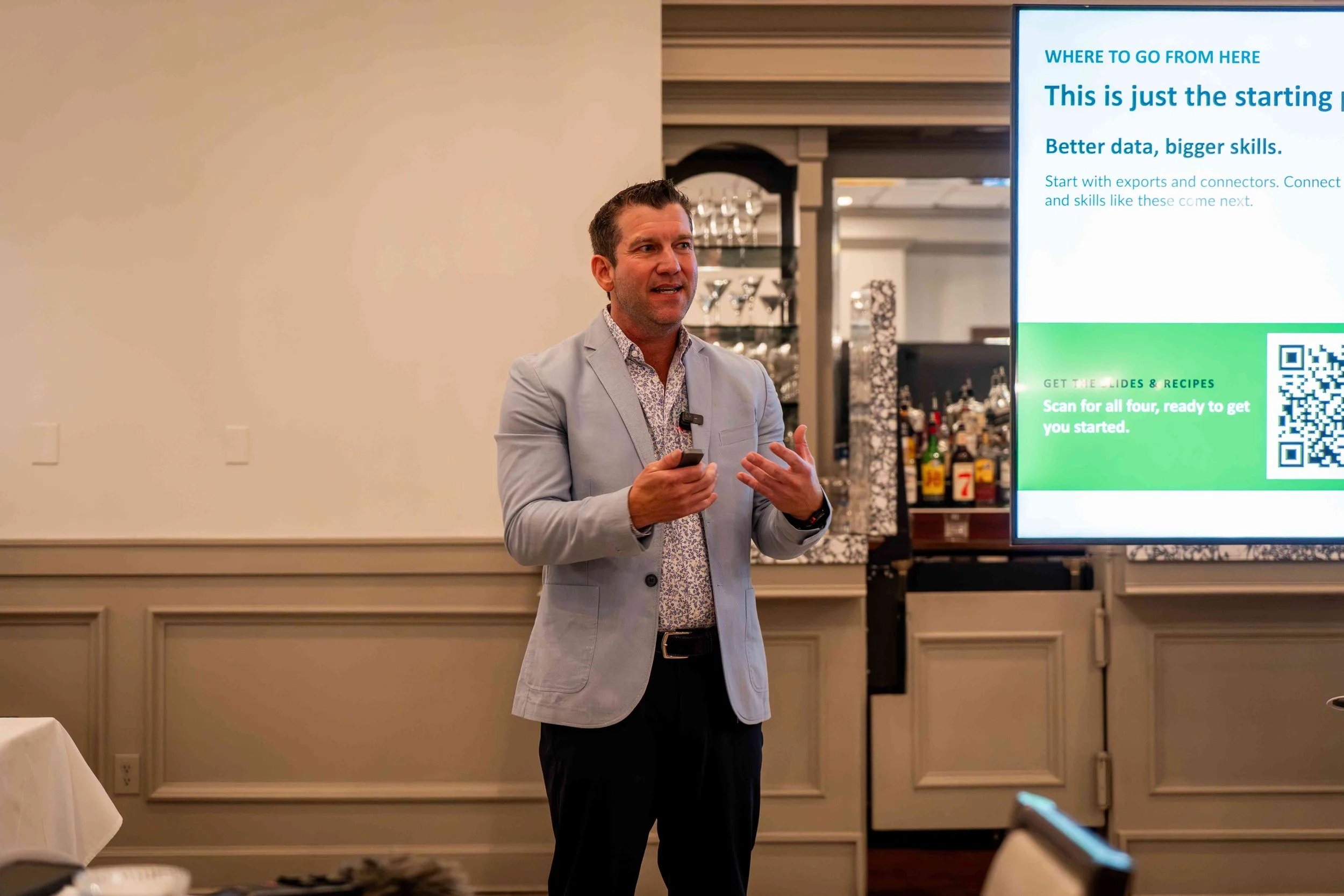
Daryl Wurzbacher, CEO and co-founder of Vertrix, helped the room move beyond the vocabulary surrounding AI and into the work it can perform.
His explanation of agentic AI centered on giving a system access to tools and instructions so it can take steps toward a goal, observe the results and continue. The useful executive question becomes which workflow would benefit, what information it needs and where a person should review the work.
He described reusable skills as recipes. The ingredients are data and tools. The directions explain the process. A human check provides the taste test. In a room at Maggiano’s, the analogy had a home-field advantage.
His examples were deliberately familiar: reconcile sales against processed payments, prepare timely recognition messages, assemble recognition graphics, or identify product packs for possible deactivation. Each has a defined input, a sequence of work and a result someone can assess. Proposed product deactivations, for example, still go to the business for approval before execution.
He encouraged companies to begin with workflows rather than spend weeks designing an elaborate organization chart of AI agents. Shared learning sessions and representation across departments can help turn individual experimentation into organizational capability.
Take it back to work. Choose one recurring task with a clear output. Document the inputs, steps, exceptions and review point. Work through it with AI, refine the process and save the instructions so someone else can repeat it. Judge the effort by useful work completed and reviewed.
Dylan Combs on payment processing’s link to brand positioning
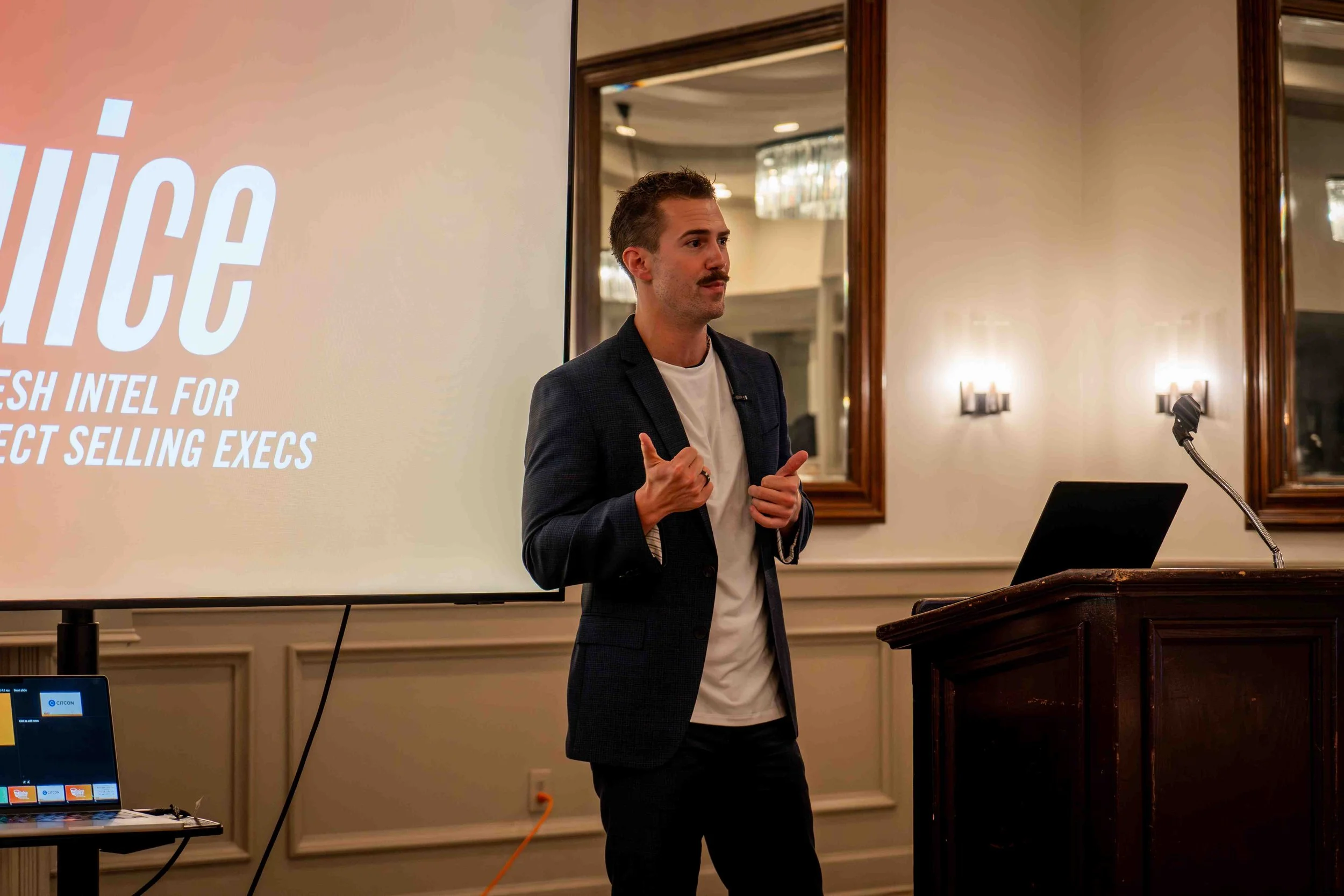
Dylan Combs of Citcon asked executives to look at both sides of their payment experience: how customers buy and how distributors receive earnings.
A company can enter a market with a compelling product and capable sellers, then limit the opportunity by offering payment methods that don’t fit local habits. Dylan pointed to digital wallets and local payment options as part of understanding the customer, alongside language and product positioning.
The same question applies across generations. Announcing that you want younger customers doesn’t mean much if the checkout feels built for someone else.
He extended the argument to payouts. Choice of destination and time to access earnings can matter to someone pursuing a specific, immediate goal. A person earning extra money for an expense this week experiences a payment schedule differently from a company processing its monthly commission run.
Brett drew the connection back to Ali’s presentation: payment processing is part of branding. It tells people whether you understand them at precisely the moment they’re trying to give you money. That seems like a particularly useful moment to get right.
Take it back to work. Review checkout and payout options by market and audience. Ask customers and sellers where they encounter friction, then examine abandonment, payment failures and support questions. Include access time, fees and the steps required to use earnings in that review.
Mike Christensen on what commissions actually encourage
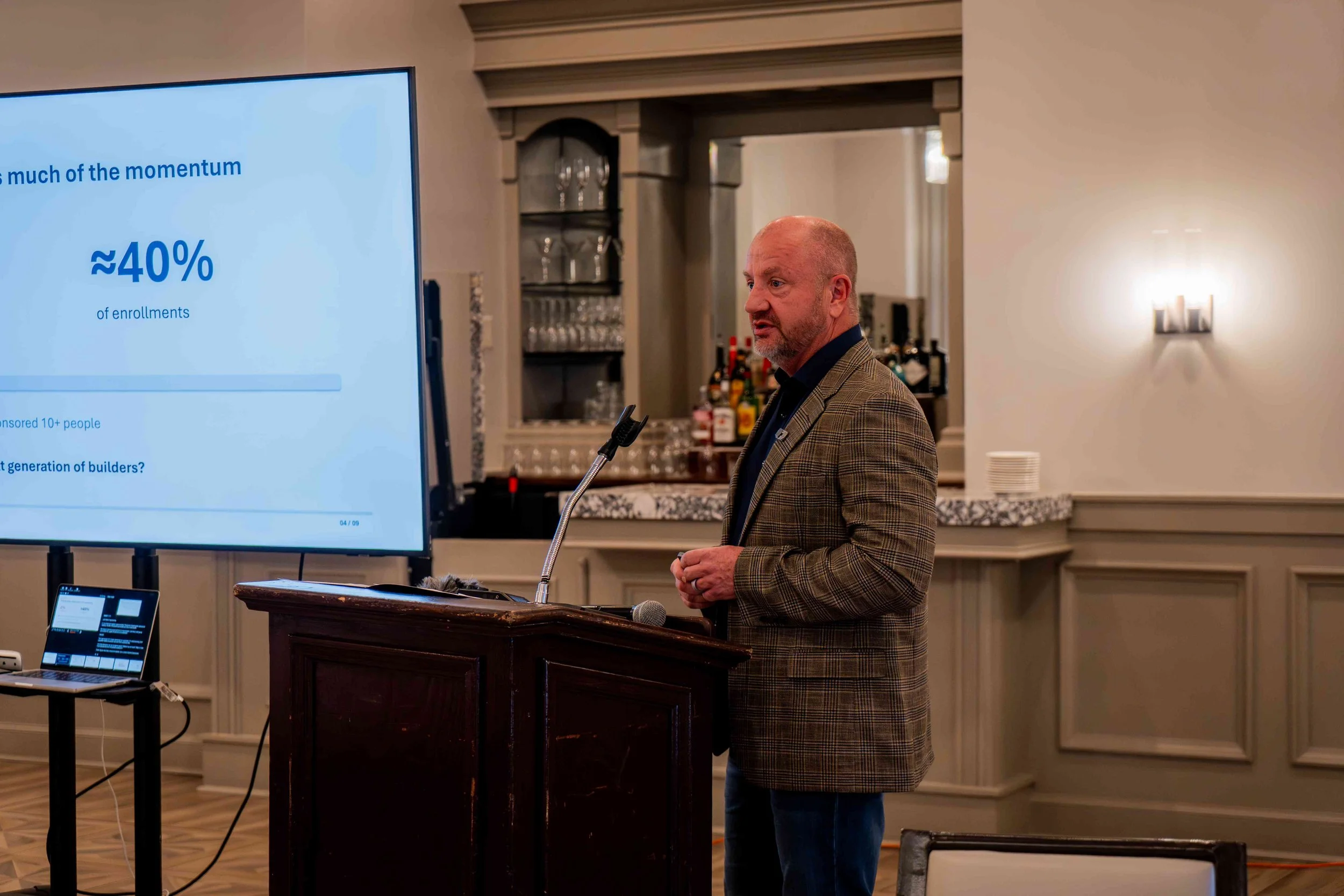
Mike Christensen of Infotrax brought the discussion to the behaviors behind the payout.
Two leaders can have similar organization volume while contributing differently to its creation. A compensation review should distinguish the value of a position from current activity, while recognizing that mentoring and development also matter. The question is whether qualification rules encourage the contributions the business needs.
Mike shared historical analysis in which roughly 2% of participants accounted for about 40% of enrollments. He used it to encourage a closer look at the people building the next generation of the organization. What do they do, and what can others learn from them?
He also showed how quickly ordering activity fell in a tracked enrollment cohort, from 85% in the first month to about 35% by month 12. That makes the experience immediately after enrollment an important place to investigate.
Early earnings offered another clue. In the historical data he presented, recipients of a $50 check showed about 70% activity six months later, compared with about 95% among recipients of a $500 check.
Mike explicitly cautioned that the association doesn’t prove larger checks cause retention. More committed participants may earn more. It does give leadership a reason to investigate the first meaningful earnings milestone.
One client’s analysis redirected attention from Gold to the more attainable Bronze level, which showed similarly strong retention. The insight led to a different field development emphasis without requiring an entirely new compensation plan.
Take it back to work. Ask who is building value, where engagement breaks down, and which achievable first win deserves more support. Examine your own cohorts before adopting a benchmark. Sometimes the next useful compensation decision is a targeted adjustment inside the plan you already have.
Sharif Sayed on helping the field sell the way it already sells
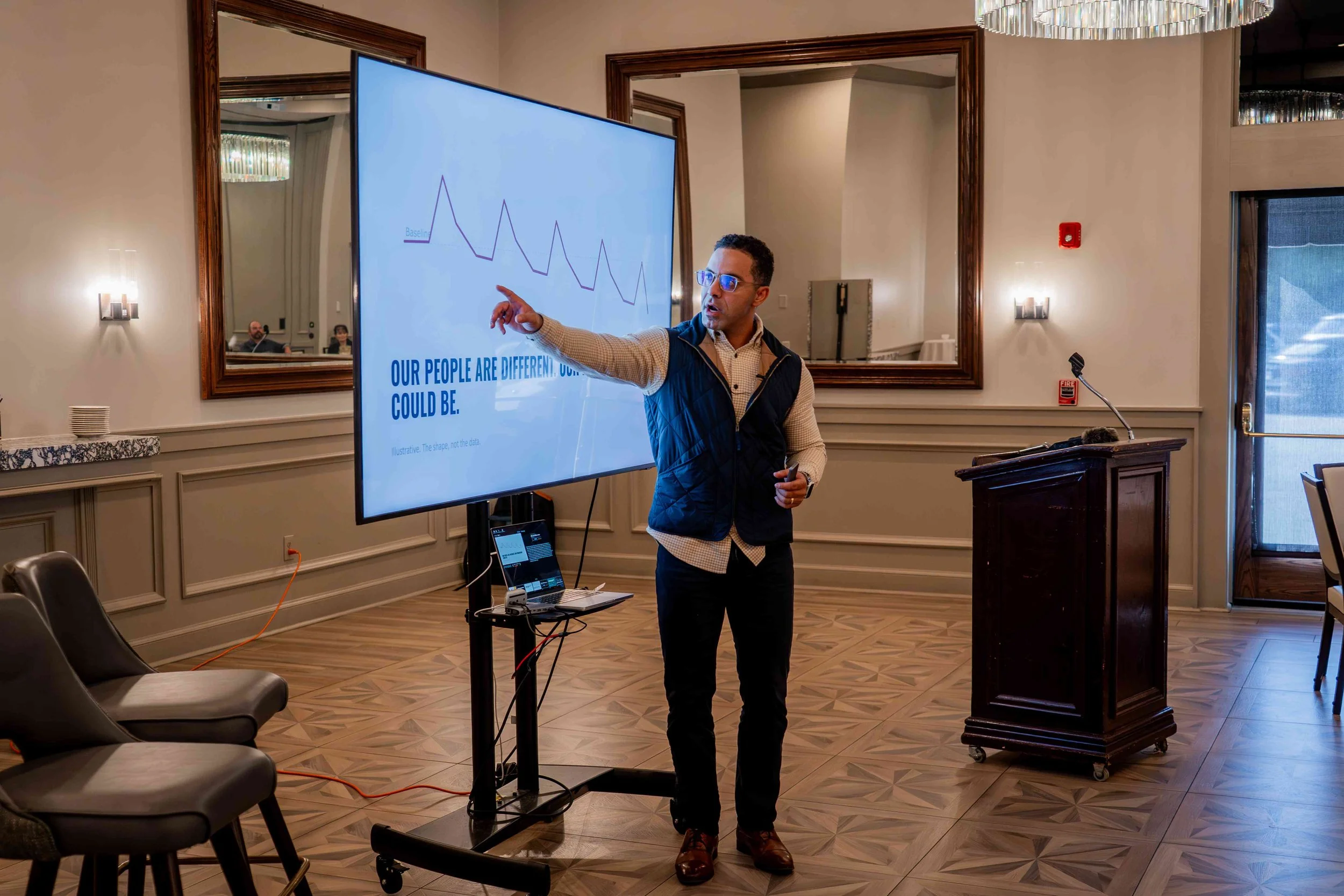
Sharif Sayed, SVP of Sales & Brand Partner Success at LivePURE, started with a strength direct selling already possesses: highly personalized selling.
A field leader listens, adapts the story, answers questions and helps someone see how a product fits their life. Then the prospect reaches a generic website and has to navigate a much less personal experience. Sharif called the resulting hurdle the sale after the sale.
He sees AI as a way for corporate tools and support to keep up with the field’s ability to personalize. That puts sales leadership close to the work of identifying problems and shaping solutions, in partnership with technology and other teams.
At LivePURE, the team started with a focused AI sales assistant for product questions. Customer service knowledge, the language effective field leaders use and legal review all informed it. Reporting tools addressed specific needs such as incentive tracking and subscription visibility. The team deliberately limited the scope instead of launching every possibility it could imagine.
The biggest obstacle was revealing. Much of the company’s most useful knowledge had never been written down. The project exposed outdated information and expertise held in people’s heads. What looked like a technology project required substantial work on the knowledge underneath it.
Sharif also described supporting leaders with tailored landing pages, promotions and tracking. The aim was to remove work that distracted them from people. One leader’s reaction after a successful run stood out: she enjoyed it and wanted to do it again. Success had left her with energy to repeat the effort.
His approach to adoption stayed human. Informal Zoom sessions let people ask questions and teach each other. Leaders needed help translating insights into useful conversations, particularly when data suggested someone might disengage. Telling a person that a robot thinks they’re about to quit is unlikely to improve the relationship.
Take it back to work. Pick one recurring field frustration and define the number you want to improve. Gather the knowledge from people who answer real questions every day, test with a small group, and watch what gets used. Sharif’s proposed 90-day path was straightforward: choose the problem and baseline, test it, then measure whether it earns a wider rollout.
Michael Smith on the work that finally came off the backlog
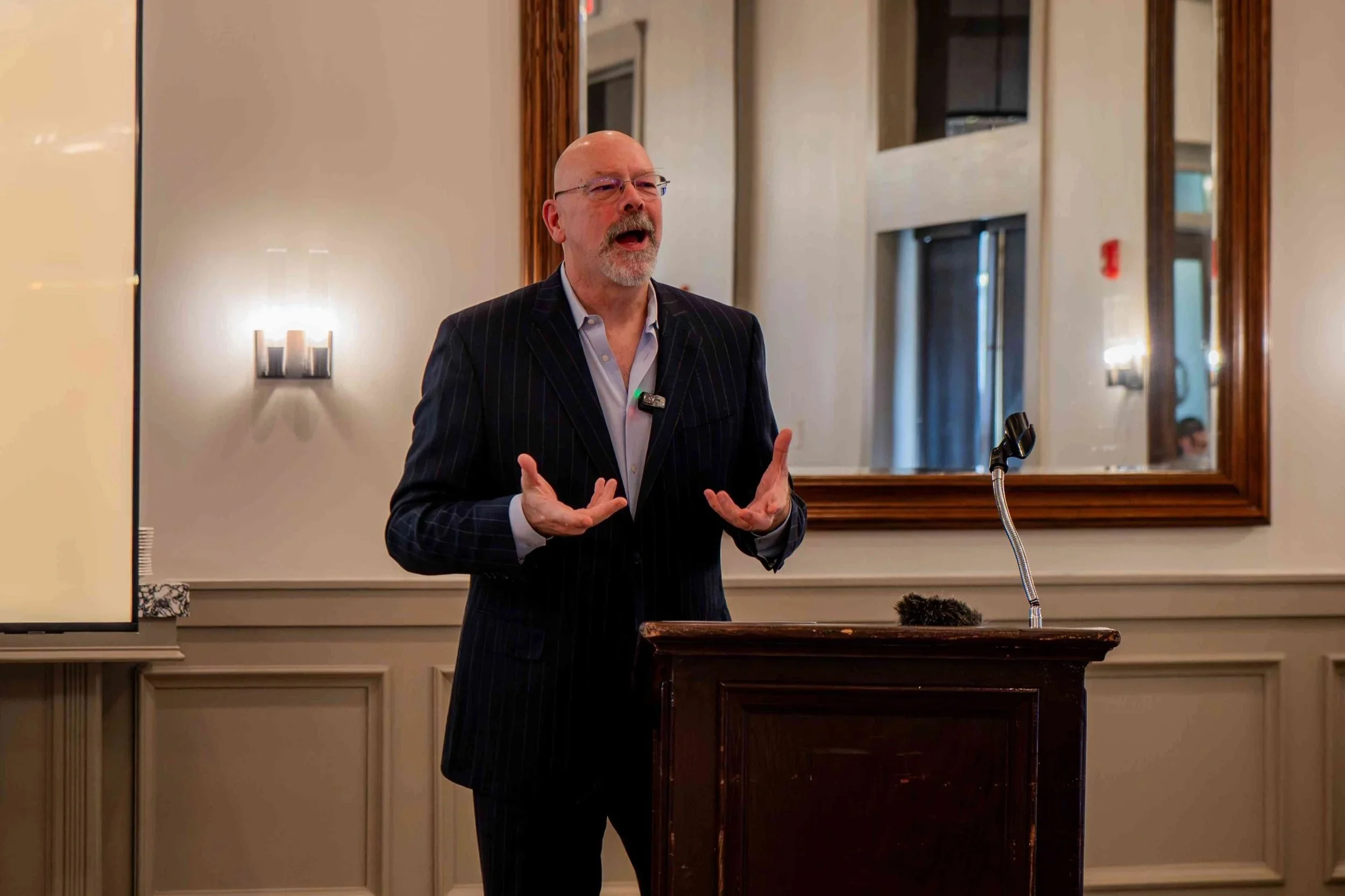
Michael Smith, chief operating officer of Rain International, closed with a practical account of what happens when business knowledge meets AI-assisted execution.
Rain’s longstanding system had accumulated substantial clutter. Michael described more than a million pending recurring orders, some years old, and nearly a million accounts. Tasks had become too cumbersome to complete manually, so the backlog kept growing.
He began by giving Claude the SQL reports colleagues had built for him over the years. That provided context for working through new questions and cleanup projects. He could iterate directly on what he needed while continuing to work with his technical colleague and platform provider.
For an account and tree cleanup, Michael said an earlier estimate had been $40,000 to $50,000. After he used AI to prepare the work and narrow the provider’s scope, the project cost $6,000. He reported subsequent savings of about $6,000 a month in platform billing and another $2,000 to $3,000 in server costs.
The gains extended beyond infrastructure. An incentive report that had previously consumed considerable development time was rebuilt to fit the business’s requirements. Michael said the recurring distributor questions about incorrect points had disappeared for that year’s program. He also described launching a promotion across the company’s international setup in less than 20 minutes, using a workflow that included human-provided translations and automated preparation of configuration files.
These were Rain’s reported results, shaped by its starting point, systems and internal expertise. Michael’s lesson was that an executive who understands the business can participate much more directly in solving its operational problems.
He was equally clear about review. AI can help someone move very quickly, including in the wrong direction. Understanding the data, the intended outcome and the consequences of a change remains essential.
And his technical colleague hadn’t been replaced. Michael described someone energized by having more room for creative work as the tedious work became easier.
Take it back to work. Look for a recurring expense or unresolved operational task that your team understands but has struggled to tackle. Bring the business owner and technical owner together to scope a small first project. Measure the result in cost, time, accuracy or support demand, with review built into changes to live systems.
What belongs on the next leadership agenda
Across the day, the speakers kept finding ways to shorten the distance between intent and experience.
Meredith asked whether people can trust how leadership behaves. Deborah asked whether the business develops the capability its promise requires. Ali asked whether the value is clear to a customer arriving today. The Partner Perspectives showed how workflows, payments and compensation can support those goals. Sharif and Michael demonstrated what becomes possible when companies apply new tools to problems they know well.
An executive could leave with an impressively long list. The more useful move is to choose where one change would matter most.
Ask a new seller to demonstrate a sales conversation.
Follow a customer through checkout in a priority market.
Find the first milestone associated with sustained participation. Or pull one expensive, tedious task off the backlog and give it a defined owner and outcome.
That is the value of getting the right people around the table. Someone shares a problem you recognize, explains what they tried and gives you a better question to ask back at the office.
Thank you to everyone who joined us in Plano, to the speakers who shared so candidly, and to the sponsors who helped make the day possible. The presentations gave us plenty to work on. As usual, the conversations around them gave us a few more things to think about on the drive home.
Other Articles You May Enjoy