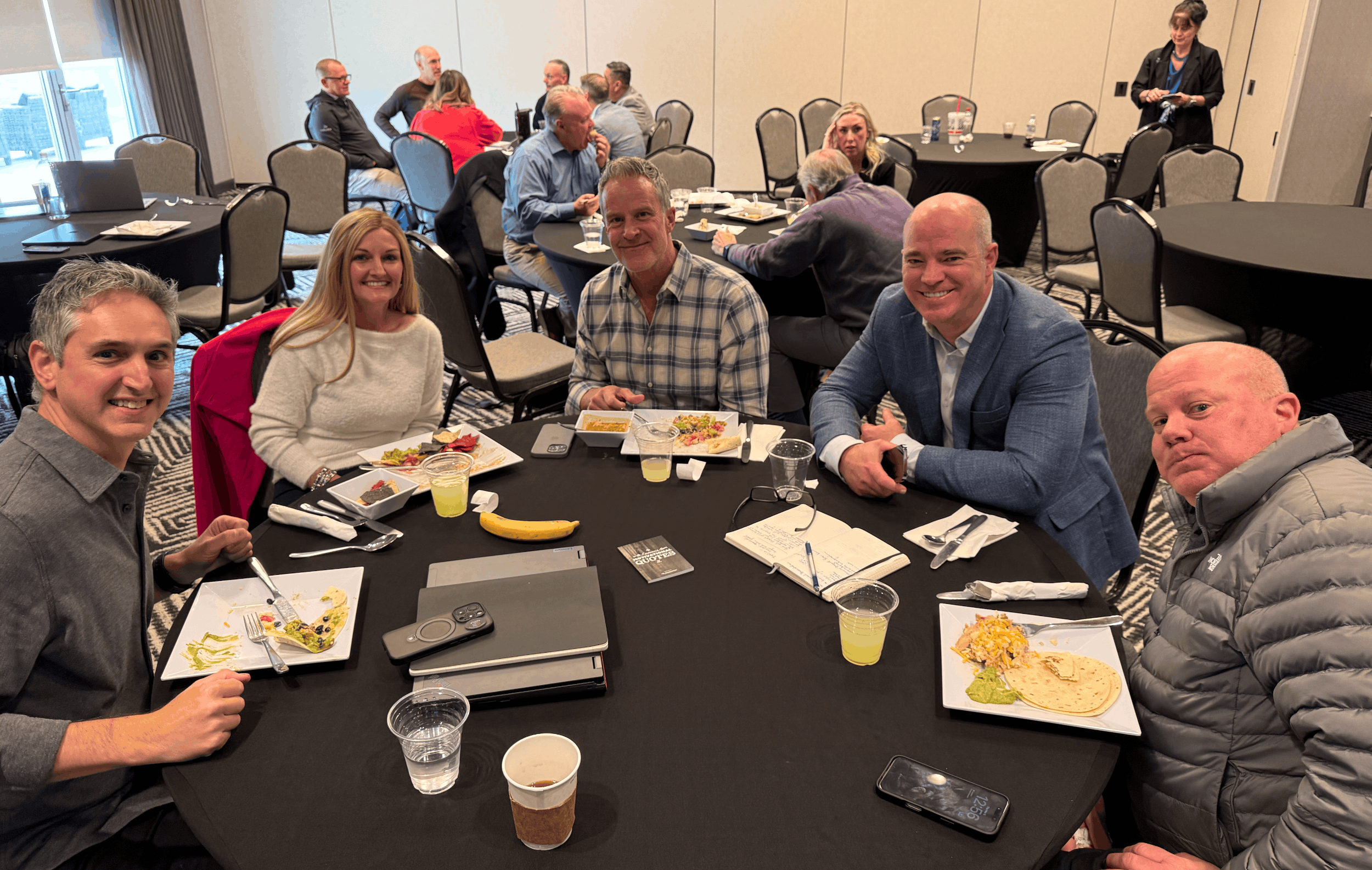
On November 5, 2026, direct selling executives gathered in Lehi, Utah, for theJuice SLC. The day moved from a Dolly Parton guessing game to a candid account of a technology migration under pressure, a preview of a leadership book, and a deliberately empty pie chart.
Underneath those very different presentations was a question worth taking back to the office: What does it actually take for people to trust, understand and use what we build?
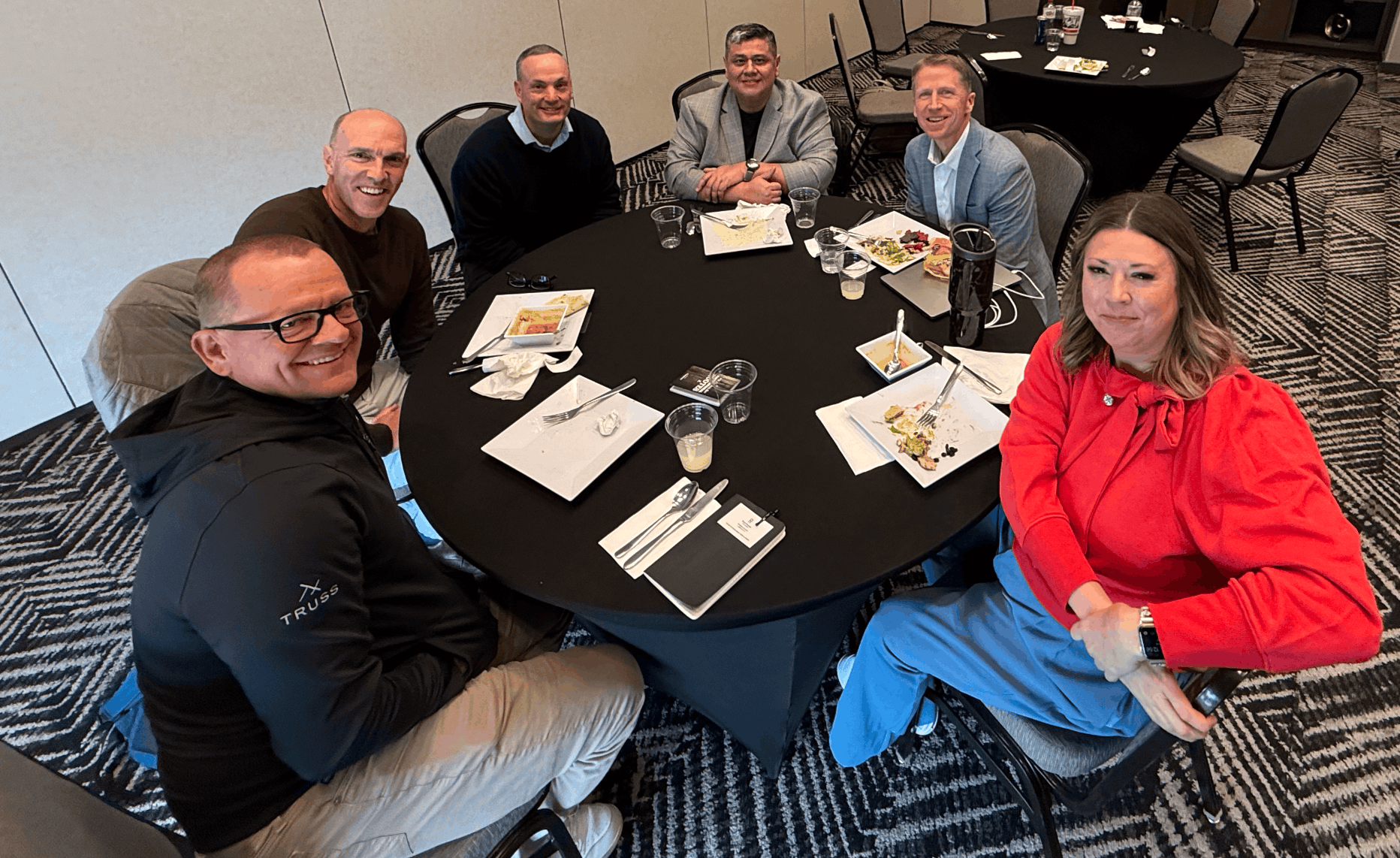
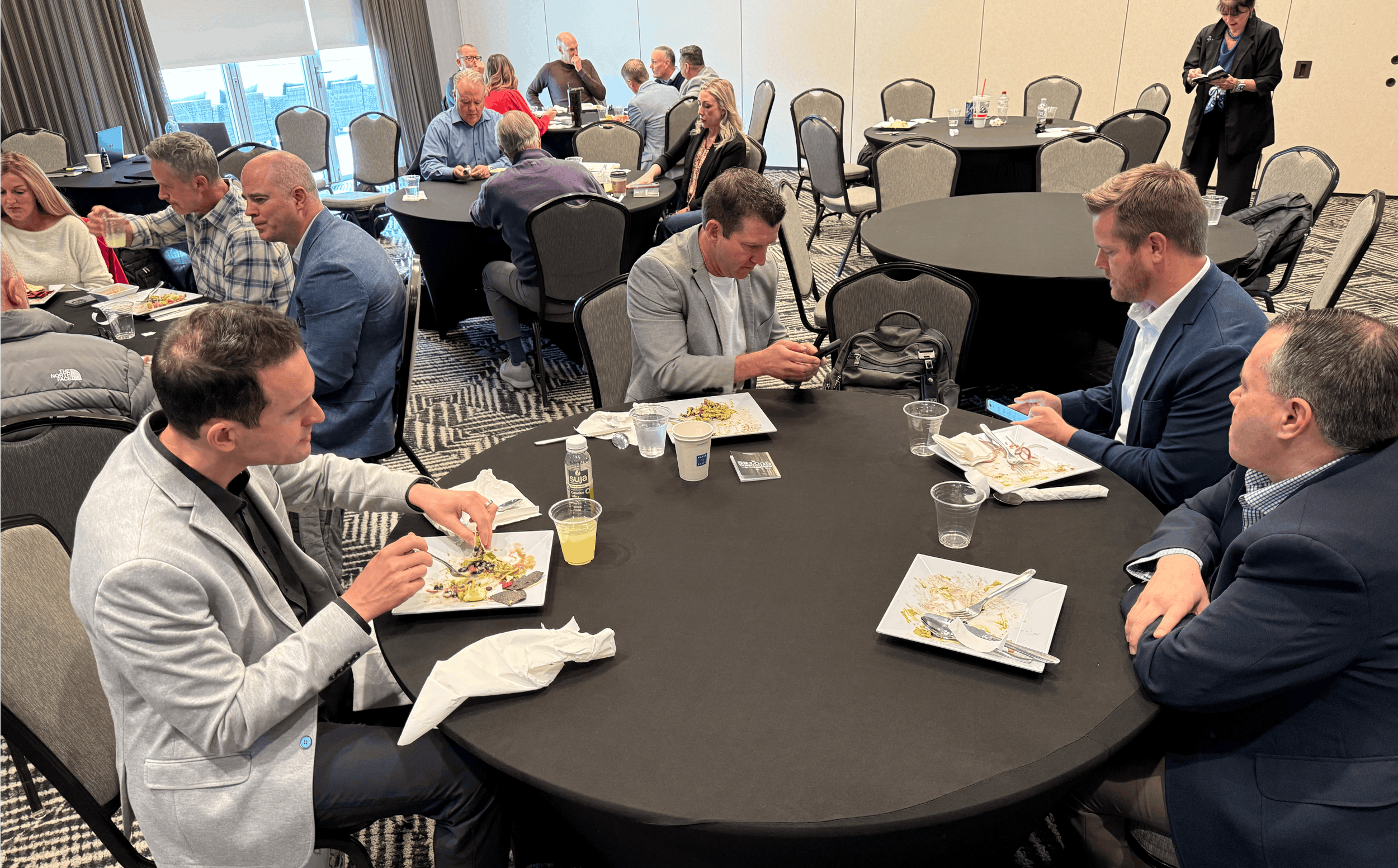
Co-founders of theJuice, Brett Duncan and Kate Gardner, opened with the story of how theJuice began. Their favorite part of industry events was often what happened in the hallways and over a meal, so they built a gathering that made room for those conversations. In Lehi, that meant introductions around the room, square donuts in the back and a lunch break left open for people to talk. It also meant a program that put three featured speakers alongside four Partner Perspectives from people who see how these same issues play out across companies.

Brian Gill on remembering what it feels like to be new
Brian Gill, chief marketing officer of 4Life Research, tapped out Dolly Parton’s “9 to 5” and asked the room to name that tune. No one could hear it. Once people knew the song, the same tapping made sense. Gill had been hearing the melody all along. The audience had been hearing random taps. That gap is the curse of knowledge, and it shows up every time a team spends months building something and assumes the field will see what the team sees on day one.
At 4Life, an intern named Hannah exposed one small but telling example in My Journey, the company’s onboarding and training system. A link opened a familiar sales script as a PDF. The team knew the resource and had used it successfully elsewhere. On Hannah’s phone, it was a frustrating exercise in pinching and zooming. Gill also described using outside polling to test a product name and developing written and video examples for a scanning tool so distributors could see how to use it with someone else and teach it to their teams.
The takeaway: Put existing materials in front of someone who had no hand in creating them. Test names, messages and designs with people outside your company. When you launch a tool, show what good use looks like in the situations people will actually encounter. As Gill put it, “Your job isn’t to know less. Your job is to remember what it felt like before you knew more.”
Brytt Cloward on what AI speeds up and what a launch still requires
Brytt Cloward, VP of E-commerce & Digital Experience at MAKE Wellness, took the room inside the company’s early growth. Orders stopped syncing. Some were hard to find. Subscriptions broke, and the team couldn’t calculate commissions reliably. Shopify and a separate commissions engine had helped MAKE get to market quickly, but the handoffs between systems became failure points under load. Cloward credited a roughly three-week move to Exigo with restoring stability. The subsequent work with Fluid was aimed at pairing direct selling capabilities with a modern e-commerce experience.
Then came ClearPath, an affiliate-facing experience designed to show sales activity and make earnings easier to understand as the month unfolds. AI helped the team produce a working prototype in days, let decision-makers shape the interface directly, and made it possible to iterate within hours. A polished prototype also gave the team an inflated sense of how close it was to release. Developers had to reconstruct requirements, work out what belonged in scope, and test behavior that looked finished on screen. Cloward still judged the project a net win, with much of the time saved up front absorbed downstream.
The takeaway: Use AI to explore and iterate quickly. Give the release its own requirements, scope, integration work and testing plan. Cloward’s list of fundamentals is a useful release checklist for direct selling companies. Every order has to be accounted for, subscriptions have to work, credit has to go to the right person, and commissions have to be accurate and on time.
Meredith Berkich on building trust as you scale
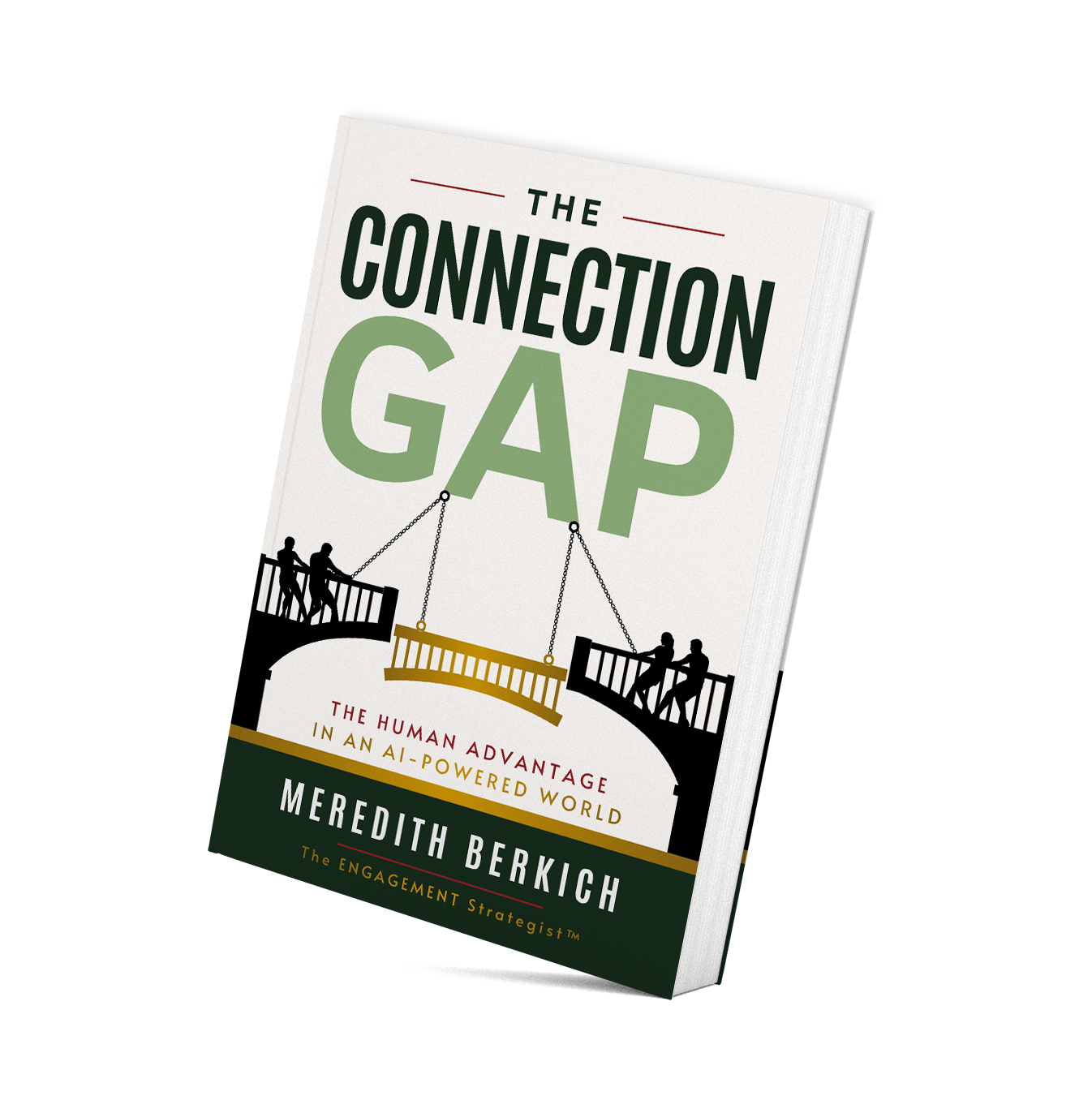
Meredith Berkich, The ENGAGEMENT Strategist and a Strategic Choice Partners colleague, previewed her forthcoming book, The Connection Gap. She told the story of Jim Northrop, the Princess House CEO who invited five field leaders to headquarters early in his tenure. Berkich was among them because her group was growing quickly, even though most at the time were not. Northrop wanted to understand what was working in the field, and the relationship that followed eventually became a mentorship. His example made the framework personal before Berkich put it on a slide.
Berkich organized her ENGAGEMENT framework into three phases. Connect through empathy, nurturing people and grounding them in shared belief. Engage by aligning direction, guiding people through visible involvement and evolving so the vision becomes shared. Perform by focusing on movement across the team, executing with enough flexibility to adapt, and growing a network in which people still feel they belong. Trust is the keystone she sees holding those practices together.
It all captured a framework that Berkich has authored, and will detail fully in her upcoming release.
The takeaway (in Meredith’s words): “Trust isn’t built directly. It’s earned … through nine pillars, practiced consistently, until people are so confident, they don’t have to think about it.”
Crystal Holtzendorff on what happens after commissions are paid
In PayQuicker’s Partner Perspective, “Follow the Money,” Crystal Holtzendorff asked executives to look at the stretch between sending a commission and the recipient being able to use it. In the PayQuicker data she shared, virtual cards accounted for 28% of payout funds in its LATAM grouping, while bank transfers accounted for 69% in its APAC grouping. The U.S. consumer survey she cited showed a generational difference as well. Eighty percent of Gen Z respondents had used a digital wallet in the prior year, compared with 31% of Boomers.
Holtzendorff described a Latin American client that moved from a wallet-to-card transfer process to virtual card access at registration, with funds available when commissions were paid. Payout activity rose after launch, and she acknowledged that market growth was also in play. The example gave executives a concrete way to think about removing steps between earning and spending.
The takeaway: Run Holtzendorff’s payout audit market by market. Check how often you pay, how many steps it takes to access funds, what it costs the recipient and how much support demand payouts generate. Then ask whether the available methods fit the people you serve and whether the system can handle your next market or a substantial jump in volume.
Dan O’Marra on helping the field act on data
Dan O’Marra, SVP of Sales at Rallyware, started with a problem familiar to anyone who has opened a back office full of numbers. A dashboard might tell a distributor they are close to a milestone. The distributor still has to figure out which action could get them there and where to take it.
O’Marra worked backward from a concrete goal, such as doubling the customer base by a specified quarter. That gives a company something to measure, whether it’s reactivating lapsed customers or increasing customers per active distributor. From there it can identify a behavior and design an experience around it. Show the distributor what is happening, suggest a timely next step, make it easy to act, recognize progress and give the upline enough context to coach. He also raised a practical question about cost at scale. Business rules and prediction models can handle some of that work, leaving AI for the decisions that need it.
The takeaway: Choose one business goal and one field behavior that can move it. Look at the experience from the distributor’s side. Can they see the opportunity, act on it in a few clicks and get support while it still matters?
JJ Oswald on getting field content all the way to conversion
JJ Oswald of Hussle used examples from brands such as Bloom and Clean Simple Eats to show what field-created content can look like. A quick product demonstration, a first impression, an unboxing or a short video showing how someone uses a product can give viewers a feel for it in seconds. Corporate assets have a place in the mix, and the field can add the voice of someone who uses the product.
Oswald traced the full path from creating and sharing content to attracting traffic, converting it and teaching others to repeat what works. He pointed to gaps in training, compliance support and tracking. A live poll gave the room a quick read on how much work attendees felt was still ahead. His suggestions included short-form assets, scripts and recording tools, and trackable links so the team can see what happens after someone shares.
The takeaway: Study the field leaders who already do this well. Build a 30-day campaign around a few practices others can repeat, give them the tools and compliance guidance to try it, and pick one measure that fits the goal. Shares can tell you whether people took part. Tracked visits or conversions can tell you what happened next.
Jim Marks on asking more of industry data
Jim Marks of Exigo opened “Nothing & Something” with confident delivery, irrelevant numbers and a pie chart that established that the majority was larger than the minority. Then he asked how often a polished slide, the loudest voice in the room or one unusually good or bad month changes a company’s direction.
For the “something,” Marks showed anonymized transaction data from a consistent set of Exigo clients, grouped by company size. Most people in the room guessed that fewer than 40% of the companies in the $100 million-plus group were growing. The deck showed that 47% grew in 2025 versus 2024 and 38% grew in the latest trailing 12-month comparison. Those are different windows on the same cohort, and Marks cautioned against reading the broader trend as a recovery. The data also raised questions that revenue alone couldn’t settle, such as how much growth came from acquisitions, recruiting, or existing customers and distributors continuing to order.
The takeaway: Too many decisions are being made without relevant, recent data. Our hunches, past experiences and passionate presentations may be the very thing that is hiding the solutions we’re all looking for.
Kate Gardner and Brett Duncan on what leaders take back to work
Gardner closed with a story about her 27-year-old granddaughter, who told her how negatively terms such as direct selling, MLM, network marketing, and even affiliate can land with people her age. Then she showed a page from a coloring book called Cat Crimes that depicted a pyramid scheme alongside other crimes. The image made her point about how early and casually those associations can take hold. Gardner recalled former Avon CEO, James Preston’s description of Avon as a brand that used direct selling to market its products. She asked leaders to start with what their brand offers, how it earns trust, and which ways of reaching customers fit that promise.
Duncan took the discussion back to the leadership table with seven recurring strategic blind spots. The core offer may be weaker than the team assumes. Belief may be left to chance. Ecommerce may be treated as a supporting function. The compensation plan may be asked to fix problems elsewhere in the business. Promotions may spend the field’s attention without generating incremental demand. Poorly communicated changes may erode trust. And small improvements may crowd out the bigger decisions the market is asking leaders to make.
The takeaway: Bring one of those questions to your next staff or board meeting. Would you lead with the same offer if you launched today? Can a new seller explain it and show someone how to buy it? Which promotion created sales you would otherwise have missed? Pick a question that might change a decision, and bring the people closest to the experience into the conversation.
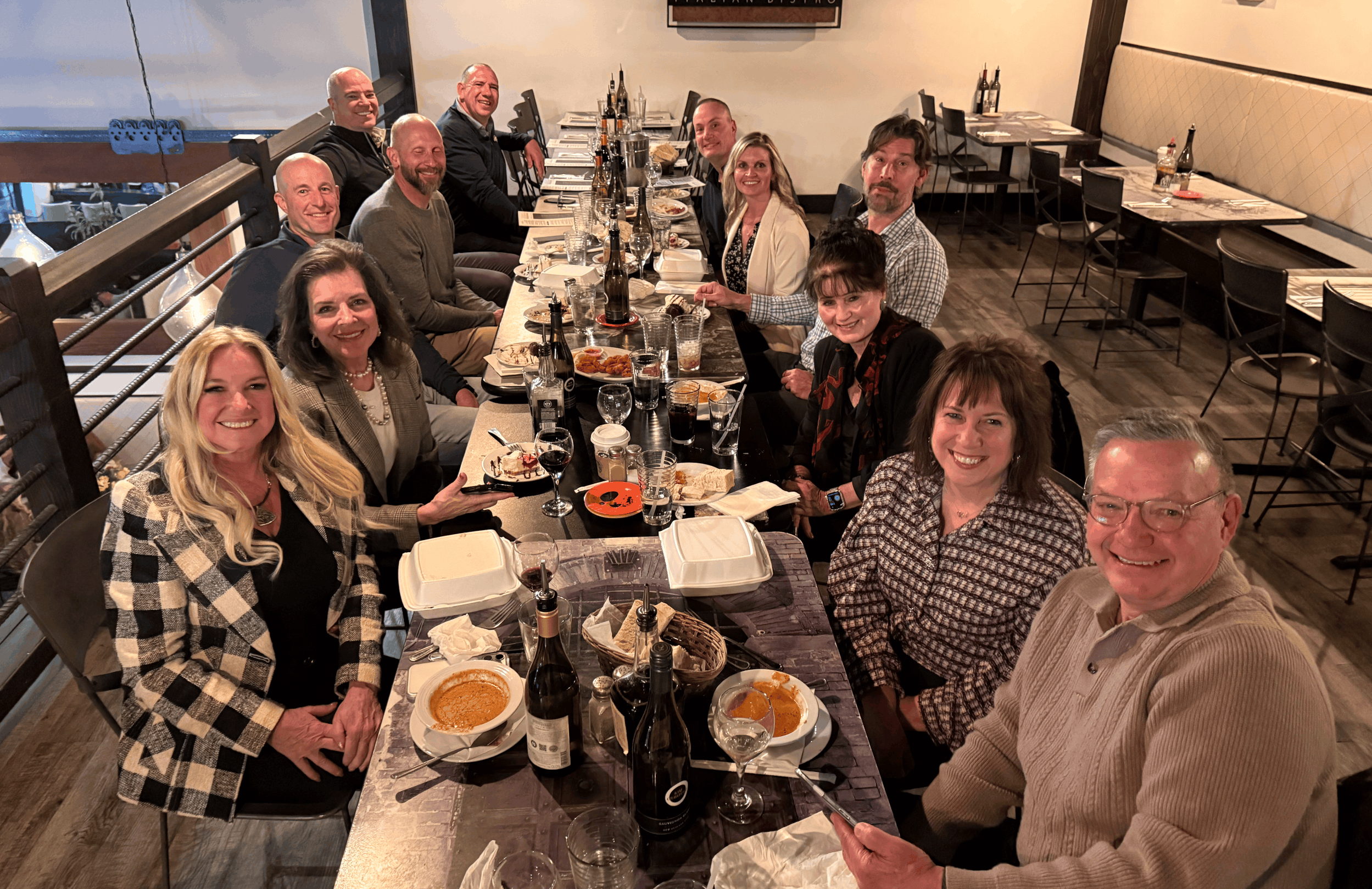
Thank you to everyone who spent the day with us in Lehi, and to our Premium Sponsors Exigo, Fluid, Hussle, PayQuicker and Rallyware. Thanks also to our Event Sponsors Avalara, FieldWatch, Revaly, Vertrix, Direct Selling News (DSN), Gobi Insights, Ziplingo, C3 Executive Search and Strategic Choice Partners.
Thank you to our sponsors!

Other Articles You May Enjoy